Get Premium
Dark mode theme is available exclusively for premium users. Learn more about the benefits of subscribing.
No fees, cancel anytime.

 Dark Mode Ad-Free Browsing Unlimited Content
 Ad-Free Browsing Unlimited Content Dark Mode
Join 1.2 million Panda readers who get the best art, memes, and fun stories every week!
43submissions
1week left
In school, history often comes packaged in tidy chapters and predictable timelines, but let’s be honest, real history is anything but neat. It’s messy, dramatic, filled with surprises, and often way more fascinating than what textbooks let on.
That’s why today we’re diving into a whirlwind of historical oddities, powerful moments, and culture-rich stories. These aren’t just relics from the past: they’re snapshots of human triumph, failure, mystery, and magic. Whether you’re just casually scrolling or proudly wear the “history nerd” badge, there’s something here to spark your curiosity and remind you that the past is anything but boring.
This post may include affiliate links.
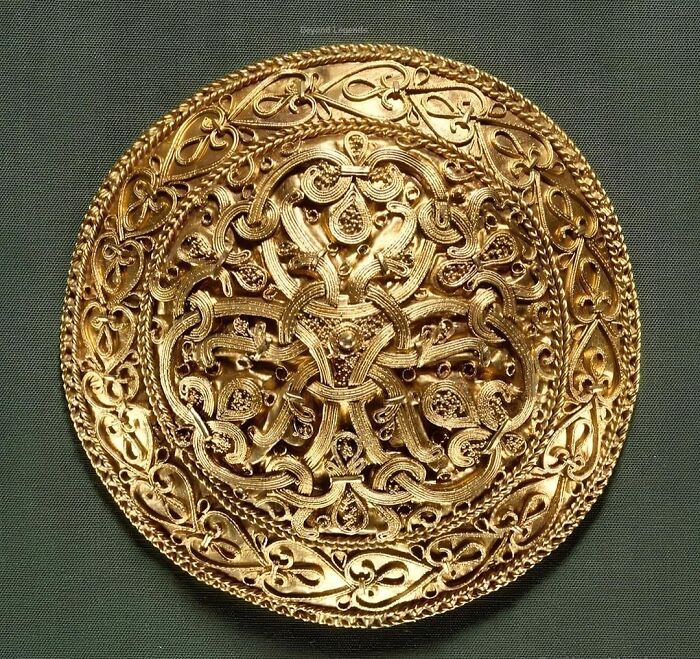
Imagine holding a piece of history, a stunning Viking brooch from Denmark, now proudly exhibited at the National Museum of Denmark in Copenhagen. Crafted over a thousand years ago, this exquisite piece captures the zenith of Viking artistry with its intricate granular and wire filigree. Each detail speaks of advanced techniques and a deep cultural legacy, inviting us to explore the traditions of artisans who shaped it. What stories and significance did this elegant brooch hold for its original owner? This remarkable artifact not only dazzles the eye but also offers a glimpse into the sumptuous world of Viking society and its appreciation for ornate jewelry.
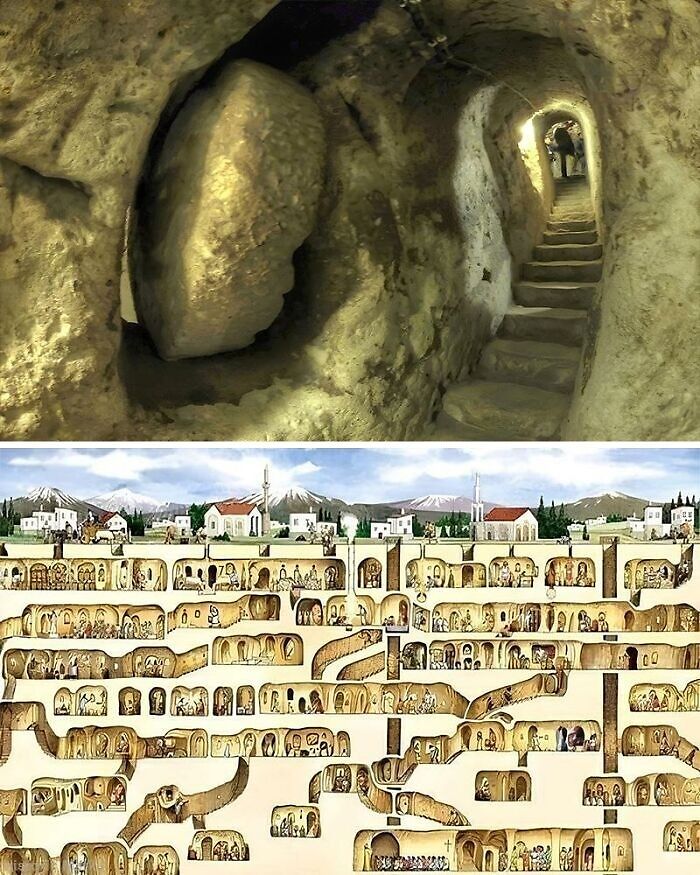
Derinkuyu, an astonishing underground city in Turkey's Cappadocia region, descends 18 stories and once sheltered up to 60,000 people. Discovered by accident in the 1960s, this ancient marvel features living quarters, schools, chapels, stables, and an intricate ventilation system, all designed for life below ground. Built during the 8th to 7th century BC, it served as a refuge during invasions, particularly in the Byzantine era. The motivations for such extensive underground living remain a mystery—was it solely for protection, or were other factors at play? Derinkuyu not only highlights ancient innovation but also reflects the resilience and adaptability of its creators.
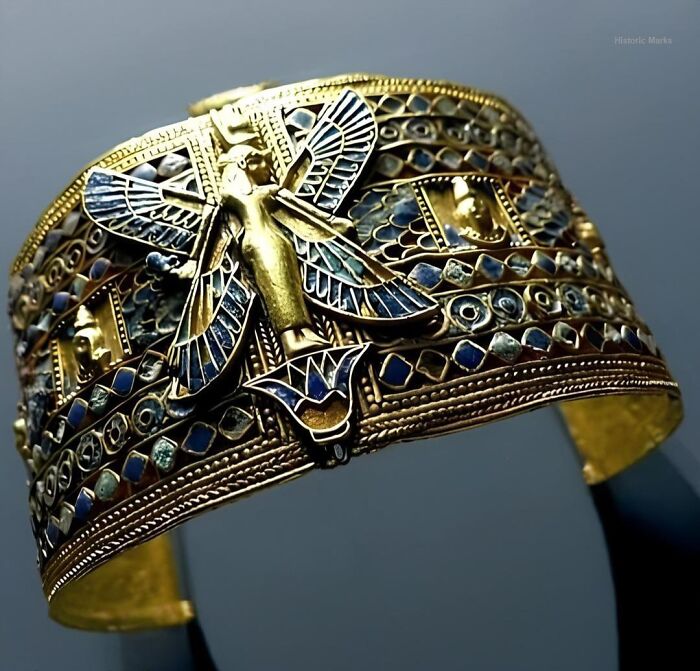
Unearthed from the tomb of Queen Amanishakheto, a formidable ruler of Nubia in the 1st century B.C., this stunning gold and blue glass bracelet is a testament to ancient artistry. Adorned with intricate designs, including a winged goddess motif, it highlights the exceptional craftsmanship of Nubian goldsmiths. This exquisite piece, laid to rest alongside the queen, symbolizes the wealth and power of the Kingdom of Kush, renowned for its influential queens and vibrant cultural legacy. The bracelet not only captivates with its beauty but also tells a rich story of a civilization that thrived long ago.
There’s always something fascinating happening on our planet. With over 8.2 billion people sharing this big blue marble, we’re constantly surrounded by chaos, culture, creativity, and curiosity.
From ancient customs to cutting-edge tech, every corner of Earth has its own little surprise waiting to be uncovered. And while today’s headlines may grab our attention, the past is packed with stories that are just as compelling.
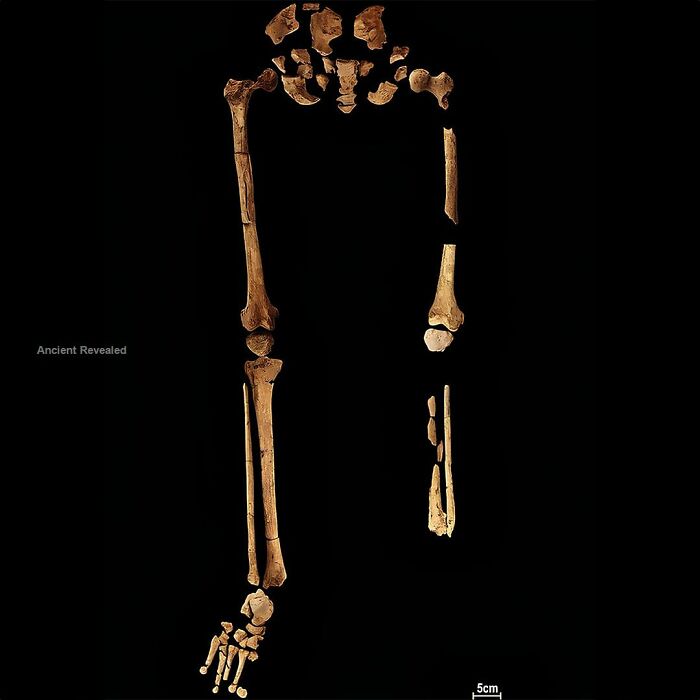
In a groundbreaking discovery, archaeologists in Indonesian Borneo have identified evidence of a successful life-saving procedure performed on a young hunter-gatherer 31,000 years ago, making it the earliest known intervention of its kind, predating the next example by 24,000 years. The individual, having had their lower left leg removed, remarkably survived, suggesting a level of care and social cooperation in prehistoric societies. This aligns with Margaret Mead’s assertion that a healed fractured femur signifies civilization, as it indicates that the person was valued and cared for during their recovery. This find reshapes our understanding of compassion in ancient communities.
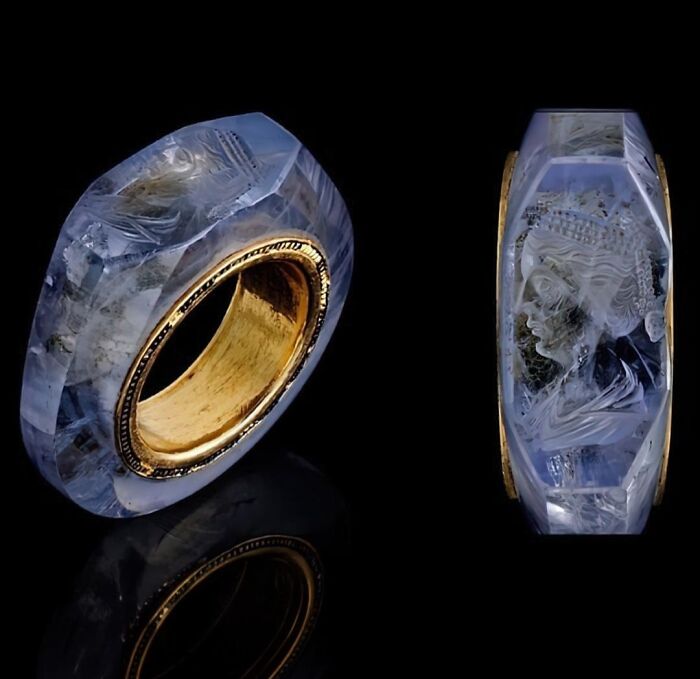
Did you know there's a stunning sapphire ring believed to have belonged to Roman Emperor Caligula? Unearthed near Rome in 1910, this nearly 2,000-year-old piece features an intricate design that highlights the extraordinary craftsmanship of the time. The ring even depicts Caligula's fourth wife, Caesonia! Right now, you can admire this historic treasure at the British Museum. It’s a fascinating glimpse into the opulence of Roman life and the rich history surrounding one of its most infamous emperors. Isn’t it amazing how something so ancient can still captivate us today?
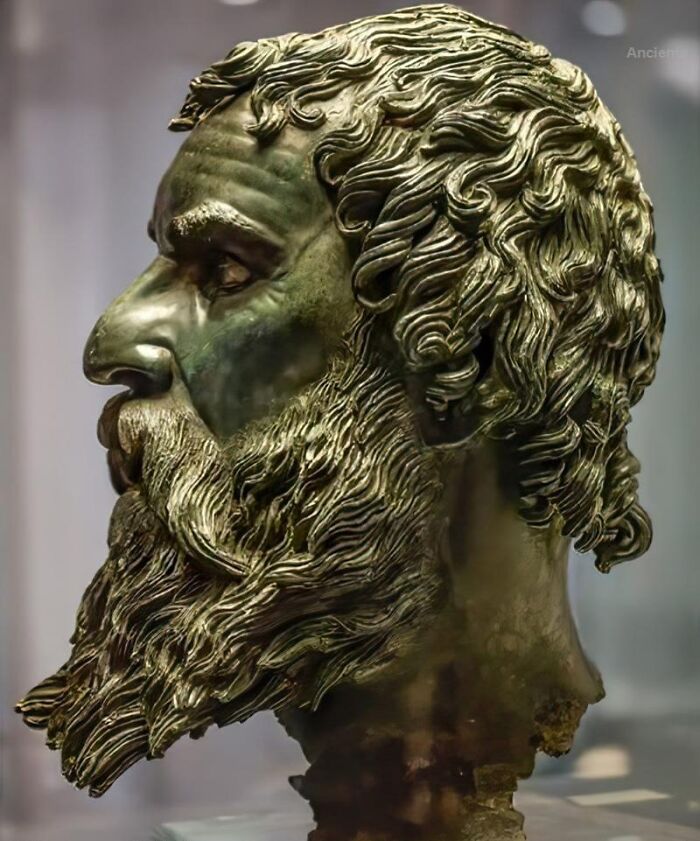
Behold the mesmerizing Head of Seuthes III, a breathtaking bronze sculpture from around 310–300 BC! Unearthed in 2004 from the king’s tomb in Kazanlak, Bulgaria, this masterpiece showcases the pinnacle of ancient realism. With lifelike alabaster and glass paste eyes, along with striking copper details adorning the brows, it embodies the sophistication of Hellenistic art. Seuthes III ruled the Thracian Odrysian Kingdom, and this bust goes beyond mere likeness—it encapsulates his powerful presence. A stunning fusion of Greek elegance and Thracian identity, this sculpture is undeniably unforgettable!
History, after all, isn’t just about dusty textbooks; it’s alive in ruins, relics, and rediscoveries. Whether it’s a forgotten tradition or a mysterious monument, there’s something magical in learning where we came from. But hey, it’s not just about Earth: space has some jaw-droppers too. Ready for a trip across time and galaxies?
Let’s start with our solar system, which has been spinning and glowing for over 4.6 billion years. That’s enough time for plenty of mysteries to build up! Our gas giants— Jupiter, Saturn, Uranus, and Neptune—are massive but don’t have solid surfaces. Yep, you can’t land on them. They’re mostly made of hydrogen and helium, like a giant balloon with a rocky heart buried deep inside.
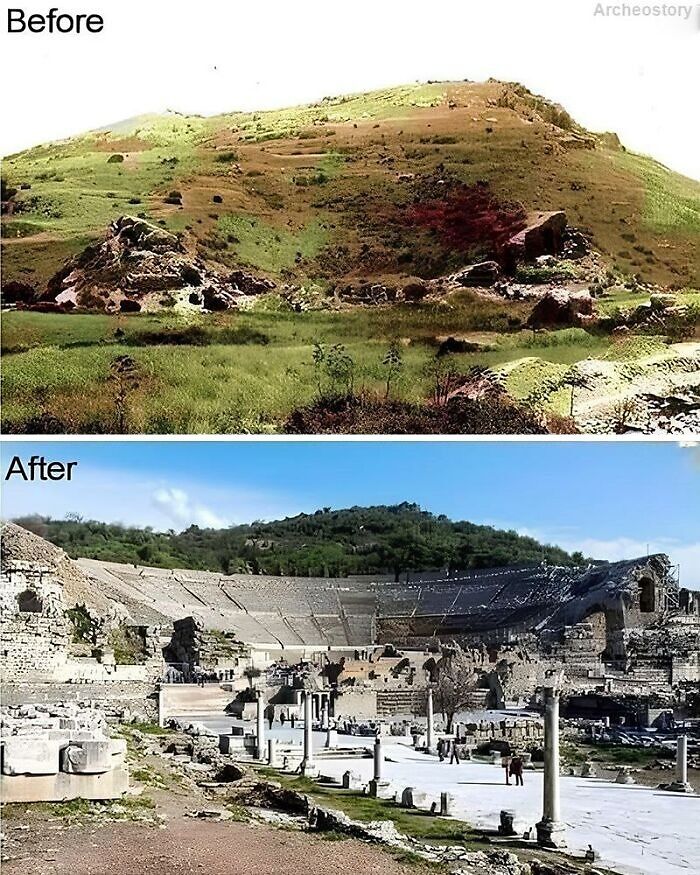
You won’t believe the incredible makeover the ancient Grand Theater of Ephesus in Turkey has gone through! Picture this: it was originally built in the 3rd century BC and later expanded by the Romans to host a whopping 25,000 spectators. The transformation is stunning—just look at the comparison! The ‘before’ shot shows the site before any archaeological digs kicked off in the late 1800s, while the ‘after’ picture proudly displays the theater as a tourist magnet today. It's fascinating how a bit of history can be brought back to life like this! What a must-see for anyone!
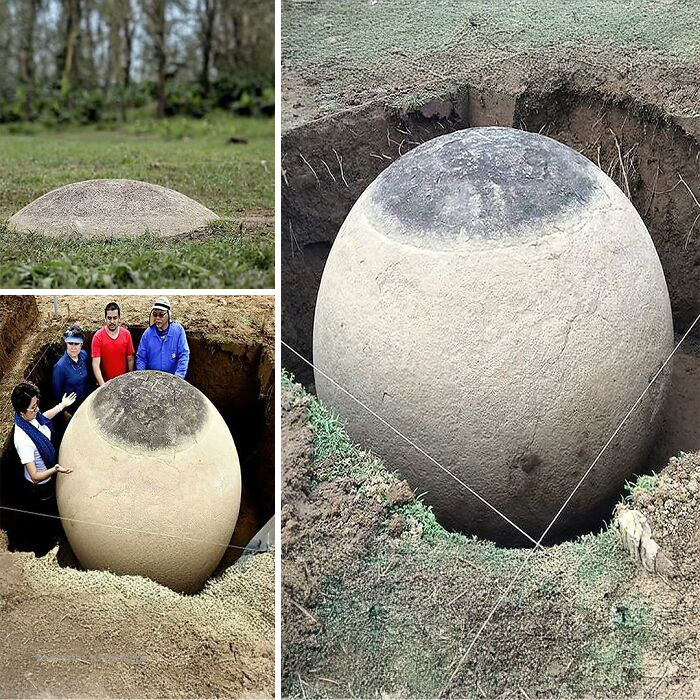
Imagine a land where perfect stone spheres, some measuring an astounding 8.73 feet in diameter, lie scattered in the jungles of Costa Rica. These enigmatic structures, linked to the ancient Diquís culture around 600 AD, raise as many questions as they answer. How could a seemingly primitive society expertly carve hundreds of flawless spheres? The challenge of crafting such perfect shapes without advanced tools seems insurmountable. Traditionally, the Clovis culture was thought to be America's first inhabitants, dating back 14,000 years, but new research suggests human presence in central Mexico may stretch back 30,000 years, complicating our understanding of civilization's origins. What inspired this unique artistry, and what secrets do these spheres hold?
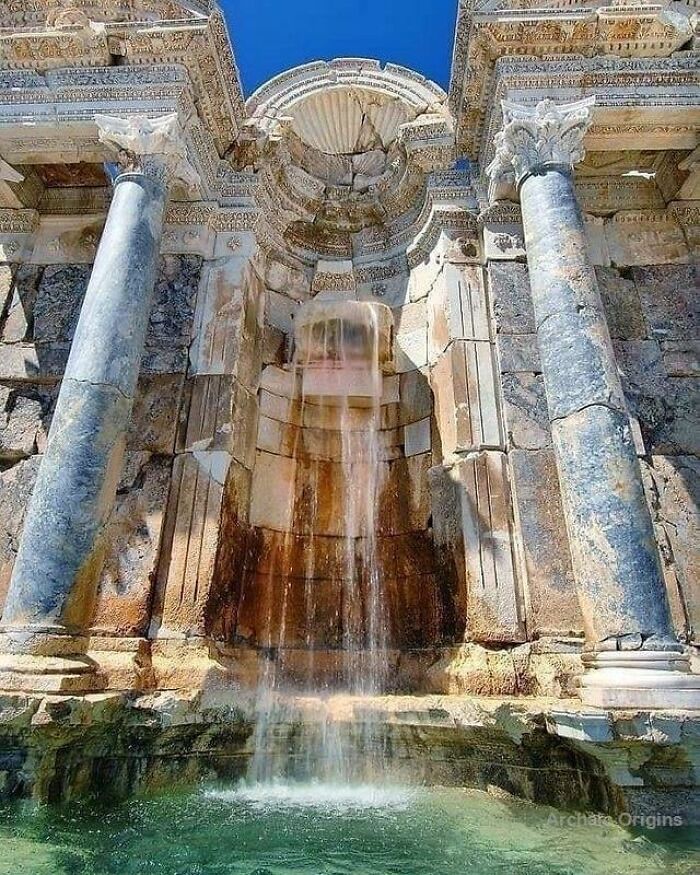
In Burdur, Turkey, an ancient fountain has been continuously flowing for an astonishing 2,000 years, showcasing the remarkable engineering prowess of ancient civilizations. This enduring source of water not only exemplifies their innovative techniques but also underscores the durability and sophistication of their water management systems. The fountain serves as a powerful testament to the ingenuity of past societies, reflecting their ability to harness and sustain vital resources across millennia. Its historical significance offers valuable insights into the technological advancements that shaped ancient life and continues to captivate visitors and historians alike.
Now let’s talk about Pluto. When NASA’s New Horizons flew past it in 2015, it captured photos of towering icy mountains, some 11,000 feet high. That discovery flipped scientists’ assumptions about Pluto’s sleepy status.
Turns out, the dwarf planet might’ve been geologically active just 100 million years ago. But how? No one’s quite sure where Pluto gets the energy for all that action. It's like it’s hiding a secret power source deep inside.
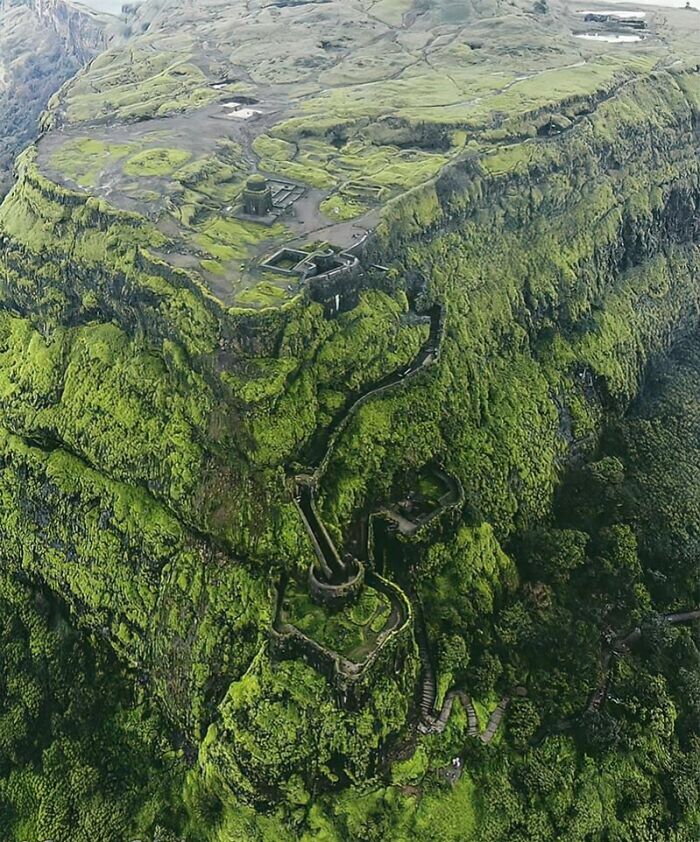
Imagine standing at the top of Lohagad, or Iron Fort, soaring 1,033 meters above sea level in Maharashtra. This isn't your typical fort; it was a military marvel during the Maratha Empire, designed to outsmart enemies with its winding stone paths and towering cliffs. Under the legendary Chhatrapati Shivaji Maharaj, it was a true fortress. Today, the fort still stands strong, surrounded by lush greenery, whispering stories of fierce battles and strategic brilliance. Exploring Lohagad is like stepping back in time and experiencing the enduring spirit of Maratha pride firsthand.
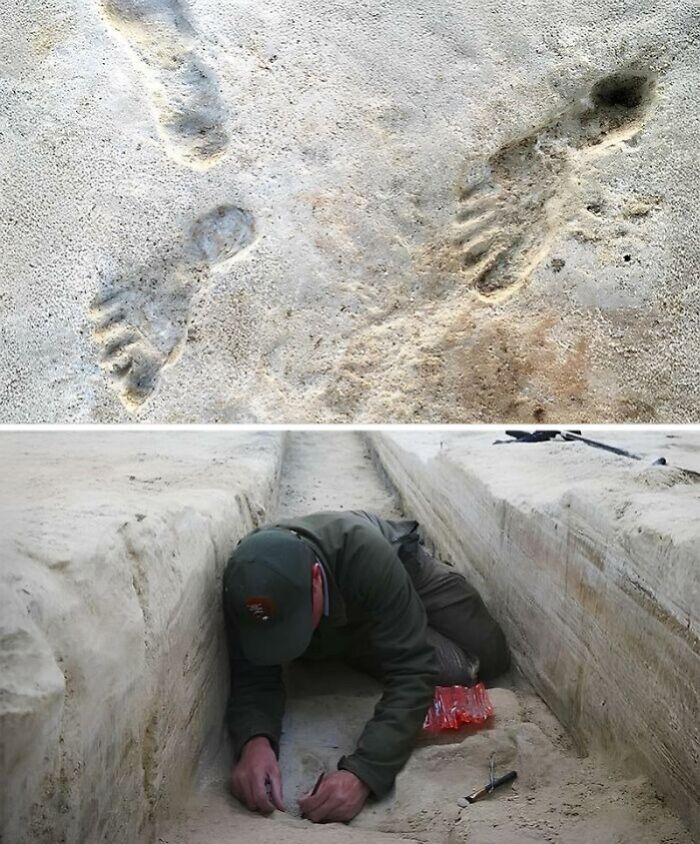
Did you know that White Sands National Park holds a stunning collection of footprints that date back over 23,000 years? These ancient imprints, found in gypsum sand, are among the earliest signs of humans in North America. Discovered in 2009, the tracks of both adults and children hint at families navigating this landscape during the last ice age, likely sharing the land with enormous megafauna. The park's unique conditions have helped preserve these prints for millennia, offering us an extraordinary insight into the social dynamics and movements of early Paleo-Indians. It's a fascinating connection to our distant past!
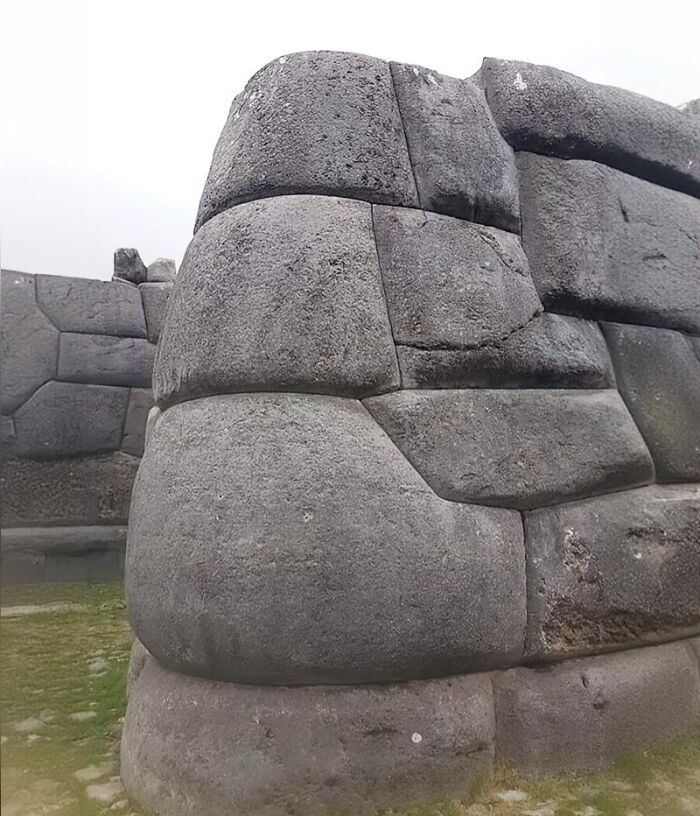
The Sacsayhuamán Fortress astonishes with its ancient engineering, particularly at the boundary wall's corner, where stones appear rubbery, seamlessly fitting together as if fused. Modern architects deem this level of precision nearly impossible without chemical intervention. To replicate such craftsmanship today, we would need to create rubbery bricks from clay-like materials, complicating endeavors. Yet, these blocks are actually hard andesite, suggesting the ancient builders possessed remarkable chemical knowledge akin to our contemporary techniques in pottery. With multi-ton stones expertly positioned at 11,500 feet, Sacsayhuamán not only defies modern understanding but raises questions about the civilization that crafted it. Who were these remarkable engineers?
Speaking of surprises, Venus, the second planet from the sun, is moonless. But plot twist: it has a sidekick called Zoozve, a quasi-satellite that’s like a clingy asteroid.
Zoozve orbits the sun but hangs out near Venus in a kind of wobbly cosmic dance. Discovered in 2002, this funky space rock keeps things interesting. Quasi-moons like Zoozve don’t last forever, though they drift eventually. But for now, Venus has a sort-of moon.
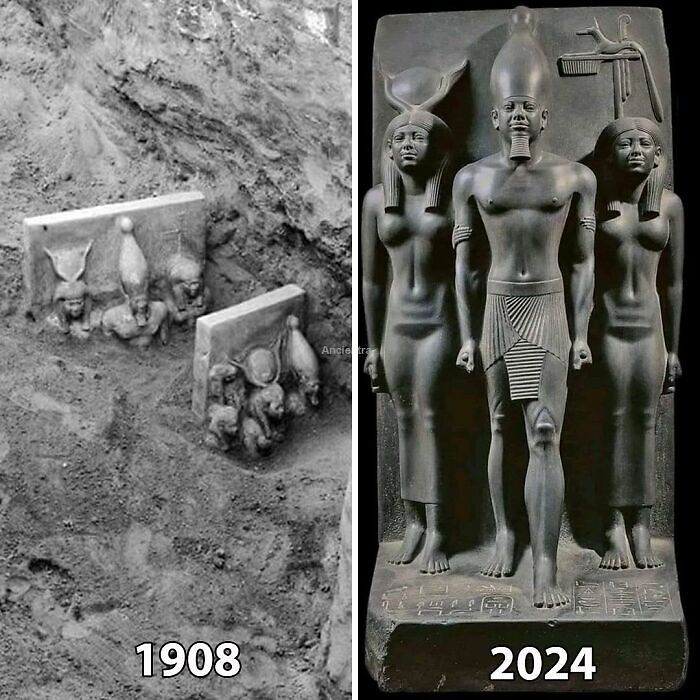
Unearthed from the sands of Cao Ra in 1908, the statues of the King's Trinity continue to mesmerize with their stunning preservation of ancient artistry. These exquisite figures, found in Egypt's King's Valley, encapsulate the grandeur of pharaonic Egypt, offering a window into a civilization that has long fascinated historians and art lovers alike. Over a century after their discovery, the King's Trinity stands as a testament to the ingenuity and skill of ancient craftsmen, reminding us of the timeless allure of their craftsmanship. Their majesty endures, continuing to captivate imaginations across the globe.
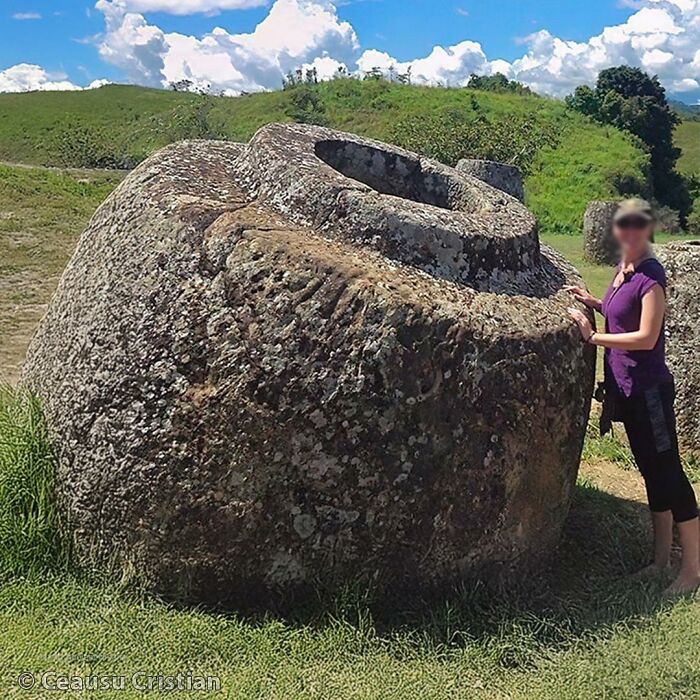
Picture this: gigantic stone jars, some towering over 9 feet and weighing multiple tons, dot the breathtaking landscape of the Plain of Jars in northern Laos. How did our ancestors transport these colossal megaliths from a quarry more than 6 miles away? Their purpose remains shrouded in mystery—were they meant for burials, storage, or perhaps a forgotten ritual? As researchers unravel new clues, the allure of these ancient relics only intensifies. With each discovery, we inch closer to understanding the significance of these enigmatic jars that have stood the test of time, inviting curiosity and wonder.
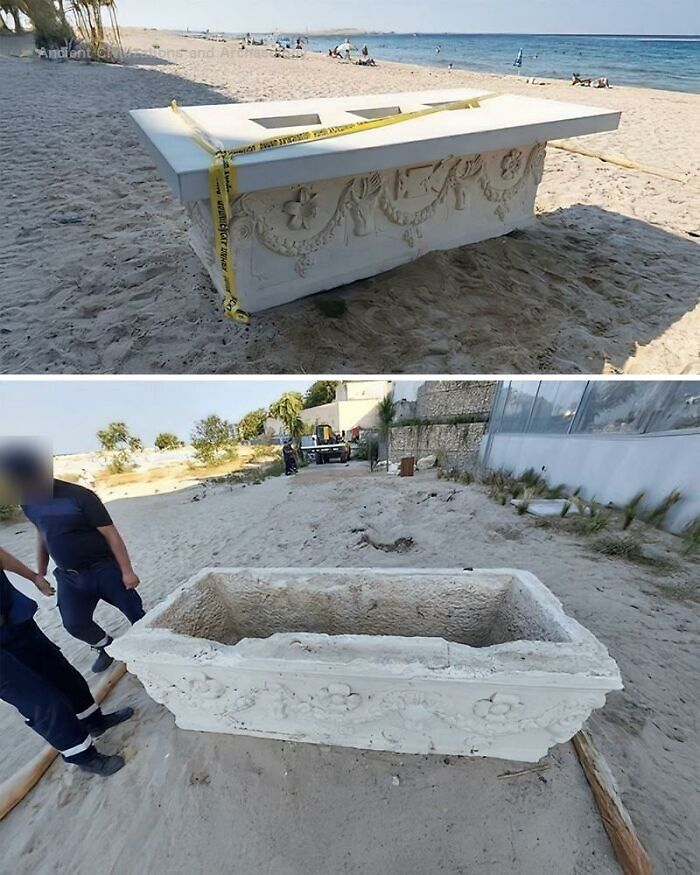
A 1,700-year-old Roman sarcophagus, once a burial vessel for someone of significance, was discovered being used as a table at a beach bar in Varna, Bulgaria. This ancient artifact, adorned with intricate floral and garland motifs, was repurposed, its historical importance nearly obscured in a modern setting. Authorities have since been alerted, drawing attention to the unexpected and casual use of such a significant relic. This incident highlights the risks faced by archaeological treasures, prompting a vital conversation about their preservation and the importance of safeguarding history, even when it resides in plain sight.
Unlike other planets that spin upright, Uranus is tilted nearly 90 degrees and kind of rolls around the sun. The best guess? A colossal crash in ancient times flipped it over.
This tilt causes it to have wild seasons, where one side stays in sunlight for 21 years while the other is plunged into darkness. Imagine half the planet not seeing the sun for more than two decades. That’s less “summer break” and more “solar sabbatical.”
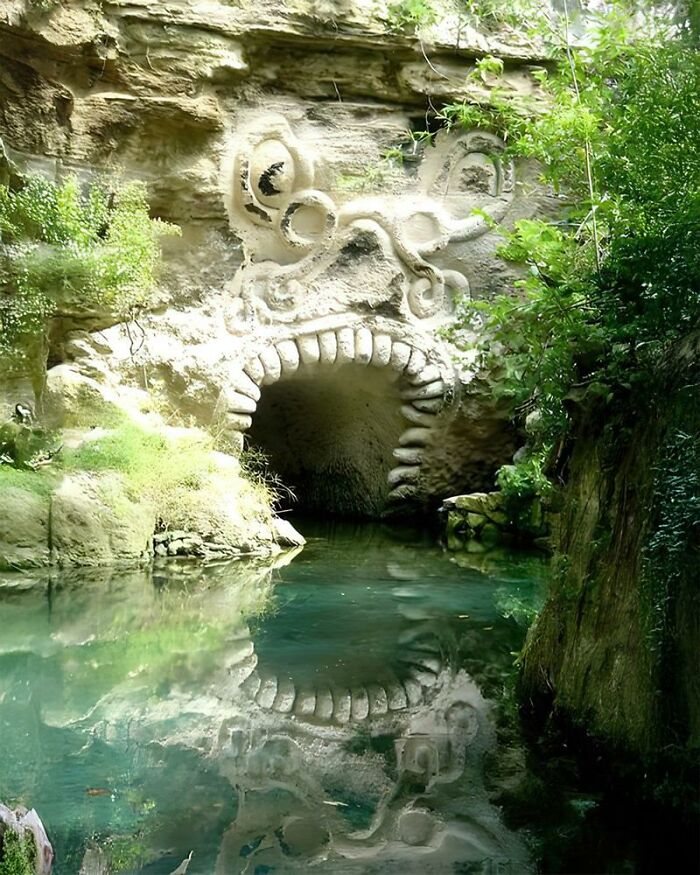
Dive into the mystical allure of the Mayan caves at Xcaret in Riviera Maya, Mexico, where the past whispers through the stone! The Mayans viewed these stunning caves as gateways to the underworld, essential for communication with their deities. This breathtaking fusion of nature and Maya artistry creates an enchanting atmosphere steeped in cultural significance. As you walk through this sacred space, the echoes of ancient rituals and ceremonies come alive, allowing you to feel the powerful connection to a time when these caves were revered as portals to another realm. Experience the wonder and history that awaits you!
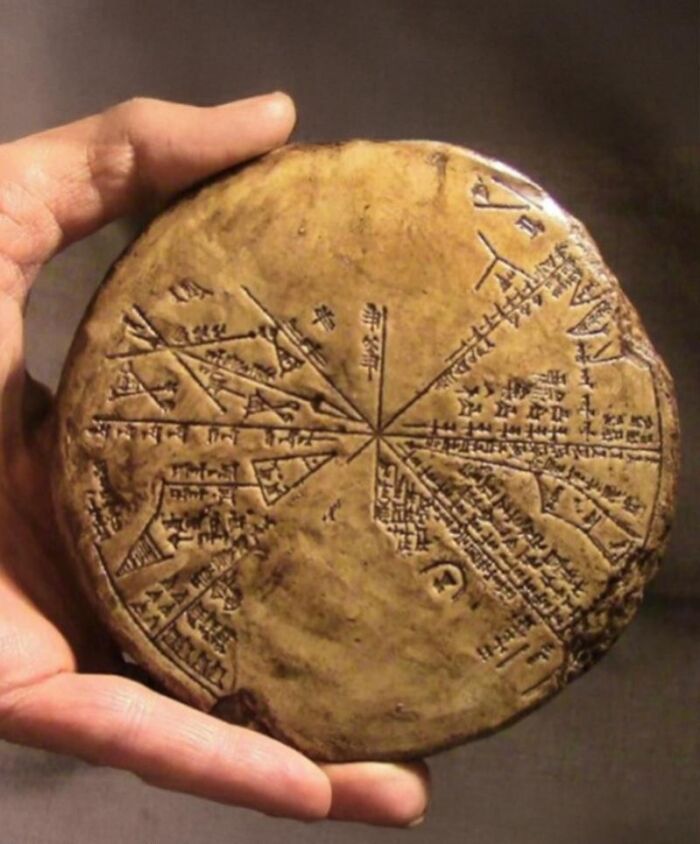
The Sumerian Star Map, a jaw-dropping 5,500-year-old astrolabe, has kept scientists scratching their heads for over a century! Uncovered in the ancient library of King Ashurbanipal in Nineveh, Iraq, this remarkable artifact was once mistaken for Assyrian. But modern analysis unveils its true roots, tracing back to 3300 BC Mesopotamia! This disk-shaped marvel demonstrates the extraordinary astronomical prowess of the Sumerians, possibly even chronicling the Köfel impact event. To add to its allure, the design strikingly resembles the Voyager Golden Record launched in 1977, linking ancient wisdom with modern exploration!
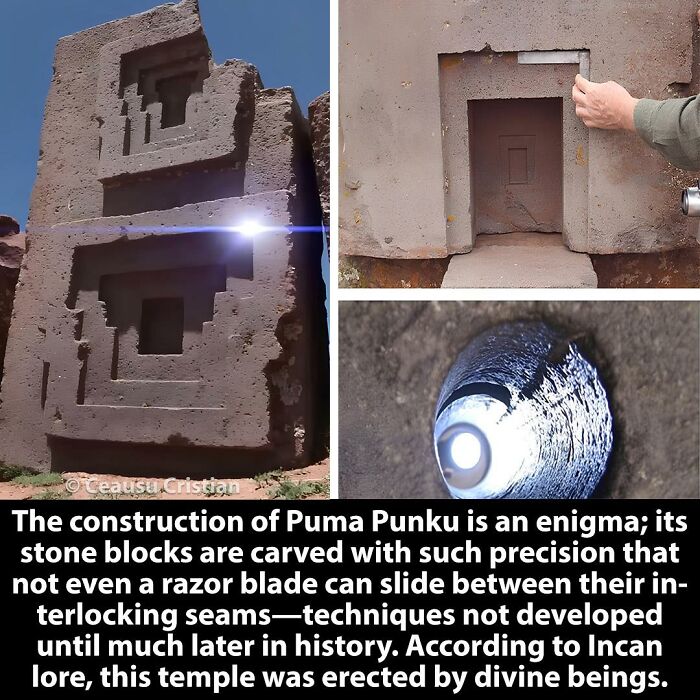
Unlocking the secrets of Puma Punku feels like stepping into a thrilling mystery. This ancient site showcases staggering stonework with interlocking blocks so precise that not even a razor blade could fit between them, hinting at engineering prowess centuries ahead of its time. As you dive into Incan legends that suggest divine beings were behind its construction, you can't help but ponder: could this be proof of ancient extraterrestrial technology? Puma Punku's advanced techniques and enigmatic history throw our understanding of early civilizations into turmoil, leaving us captivated and eager to uncover the truth.
And then there’s Io, one of Jupiter’s moons and basically a cosmic volcano theme park. It’s the most volcanically active body in our solar system, with eruptions blasting sulfur 190 miles high.
Every second, Io coughs up over 900 kilograms of gas into space, keeping scientists and space nerds equally thrilled. If Earth’s moon is a peaceful companion, Io is the fiery, dramatic cousin.
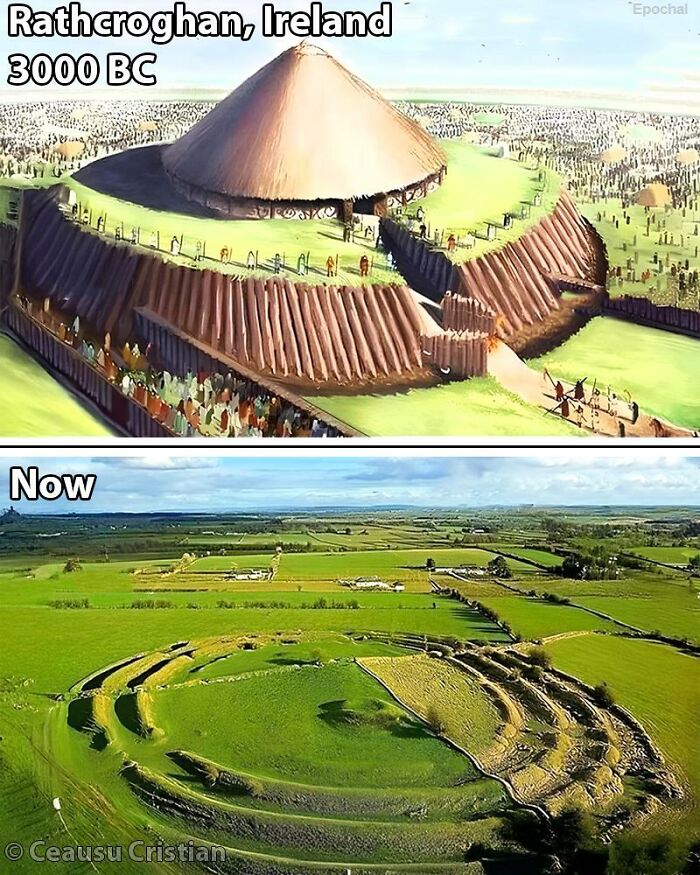
Rathcroghan, a significant archaeological treasure in County Roscommon, Ireland, encapsulates 5,500 years of human history across more than 240 sites. Central to this heritage is the 5,000-year-old Rathcroghan Mound, a notable ceremonial site, alongside the enigmatic Oweynagat, or Cave of the Cats, steeped in Irish folklore. The Rathcroghan Complex reveals insights into ancient spiritual practices and daily life through its ringforts, burial sites, and ceremonial monuments. Visitors can engage with this rich history through guided tours and the Rathcroghan Visitor Centre, which offers compelling exhibits that delve into the mythology and significance of this extraordinary landscape.
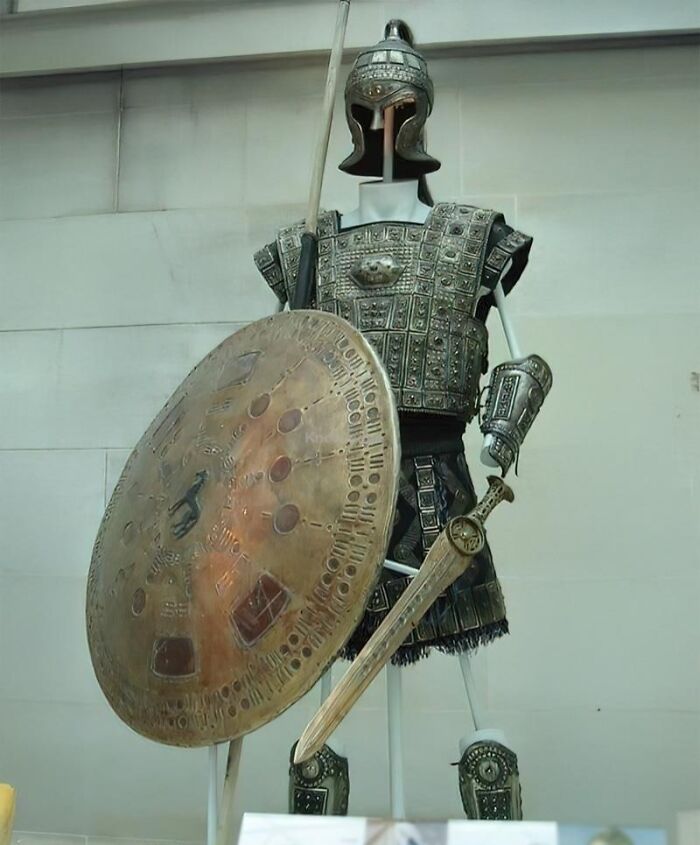
Step into the realm of legends at the British Museum, where the striking armor of ancient warriors beckons. A gleaming bronze shield, an elegant helmet, and a beautifully adorned cuirass come together to embody the strength and artistry of the Bronze Age. Each piece speaks volumes of the martial culture that thrived during the era of the Trojan War. As you behold this captivating display, the echoes of Homeric heroes resonate, intertwining history and myth, and inviting you to delve into a world where valor and craftsmanship reign supreme, leaving an indelible mark on the legacy of humanity.
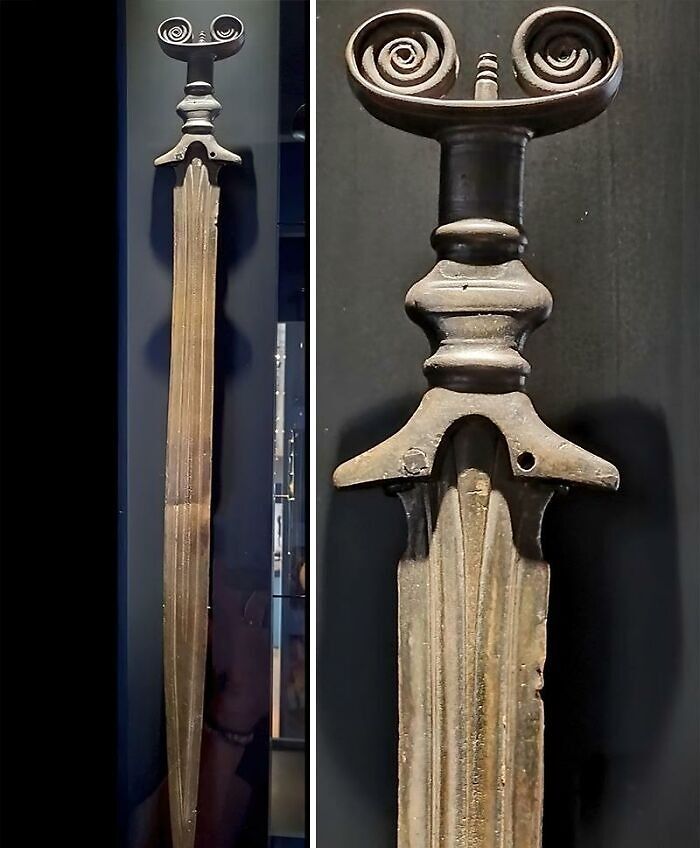
Behold the stunning bronze antenna sword from 9th century BC Germany—a true masterpiece of the Hallstatt B period! Its distinctive curled hilt, echoing antennae, showcases the extraordinary craftsmanship of the Late Bronze Age, serving as a precursor to Iron Age weaponry. The Hallstatt culture, a dominant force in Western and Central Europe, is tantalizingly intertwined with Proto-Celtic societies. This sword, with its elegant design and lethal functionality, transcended mere combat—were its owners not just warriors but symbols of elite power? Now resting in the Stuttgart Landesmuseum, it stands as a striking testament to Europe’s ancient aristocracy.
On the flip side, Jupiter’s moon Ganymede is a serene giant with a shocking twist: it hides an ocean deeper than all of Earth’s combined. Beneath its icy shell, salty water stretches farther than you’d expect. If Ganymede orbited the sun instead of Jupiter, we’d probably call it a planet.
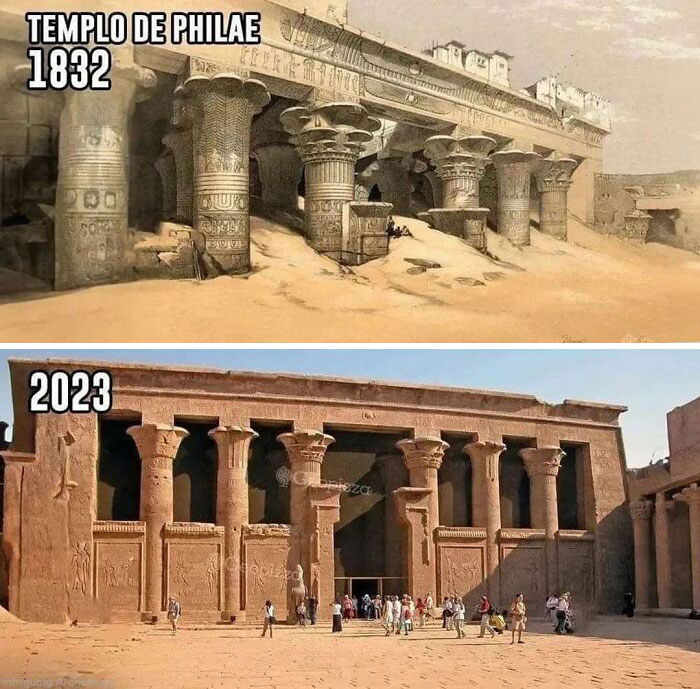
Imagine a magnificent ancient temple, nearly buried in sand, like the Temple of Philae in Egypt. The photos from 1832 and 2023 reveal its stunning resilience over 2,200 years. With every inch of its intricate carvings and towering columns restored, this temple whispers tales of a vibrant past. What secrets does it hold? The transformation from sand-covered relic to a celebrated monument invites curiosity about the civilizations that built it. What stories of worship, artistry, and daily life lie within its stones? The Temple of Philae beckons us to explore and discover its timeless legacy.
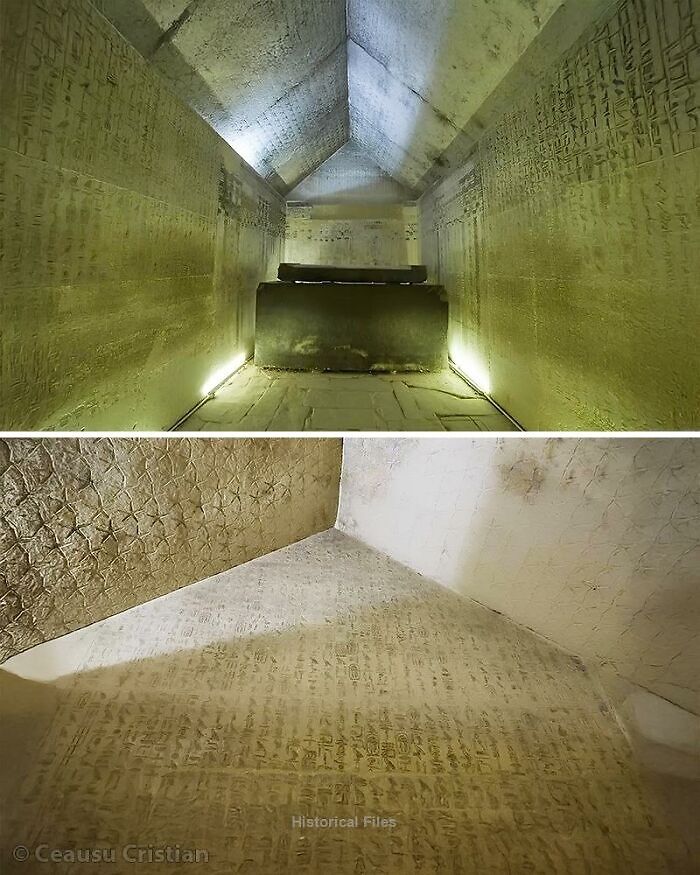
Curiously devoid of treasures and mummies, the Pyramid of Unas at Saqqara, built over 4,300 years ago for the last Pharaoh of the Fifth Dynasty, invites intrigue and speculation. The walls of its burial chamber are adorned with ancient Pyramid Texts—religious spells designed to guide Unas into the afterlife. This groundbreaking inscription marks a dramatic transformation in Egyptian funerary customs. Scholars are left wondering if the absence of a sarcophagus was due to looting or if it served a purely symbolic role. The rich inscriptions hint that this enigmatic space may have doubled as both a burial site and a ritual sanctuary.
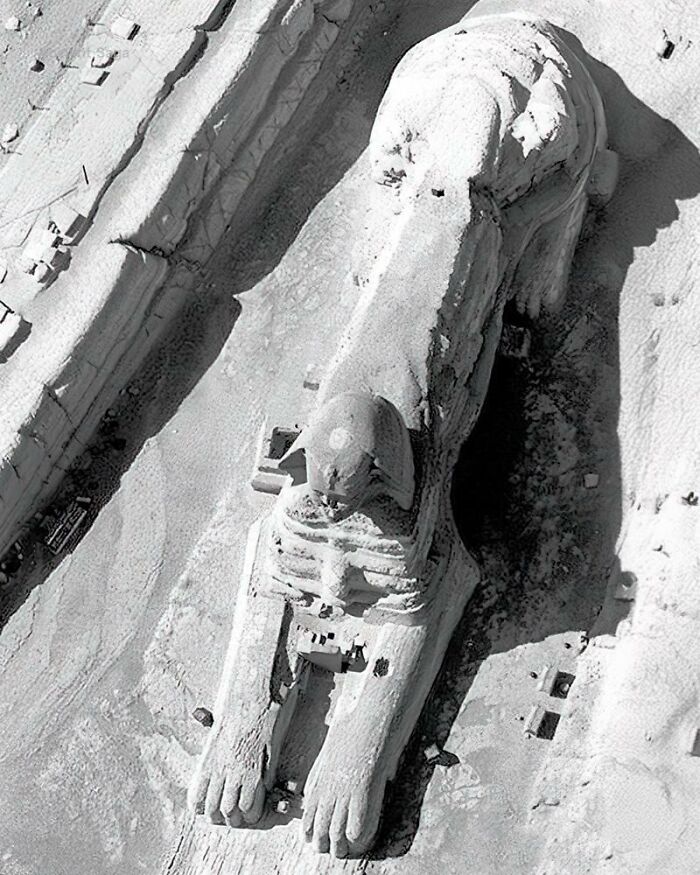
Check out this stunning aerial view of the Great Sphinx of Giza! It really shows just how massive and intricately designed this ancient monument is. Carved from bedrock more than 4,500 years ago, it's thought to represent Pharaoh Khafre. The Sphinx has stood here watching over the Giza Plateau for centuries, and those weathered walls around it only add to its enigmatic charm. Can you imagine all the stories and history this incredible structure has witnessed? It’s a fascinating glimpse into the past that still captivates people today!
Space is clearly wild, but back here on Earth, we’re not short on stories either. Human history is packed with mystery, brilliance, and a bit of mayhem. We’ve built pyramids, mapped stars, formed empires, and started revolutions, all without a spaceship.
From ancient art to weird superstitions, there’s so much we still don’t know about our ancestors and how they shaped our world. Every dusty artifact or crumbling ruin has a story to tell, and sometimes, they’re even stranger than fiction.
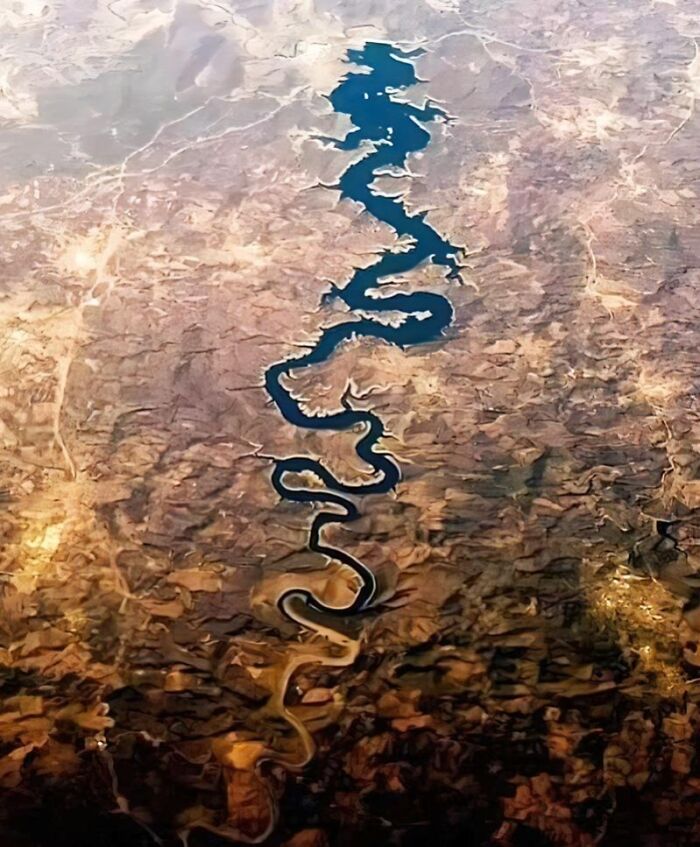
Check out this breathtaking aerial view of the Blue Dragon River in Portugal! It’s wild to think that this winding waterway has been compared to a dragon for ages. But here’s the real head-scratcher: how did people back in the day, without planes or drones, spot this dragon shape? Was it a lucky guess, or did someone spill the tea? While theories about ancient flying methods float around, there’s just no proof to back them up. It’s one of those intriguing mysteries that leaves us wondering how our ancestors viewed the world!
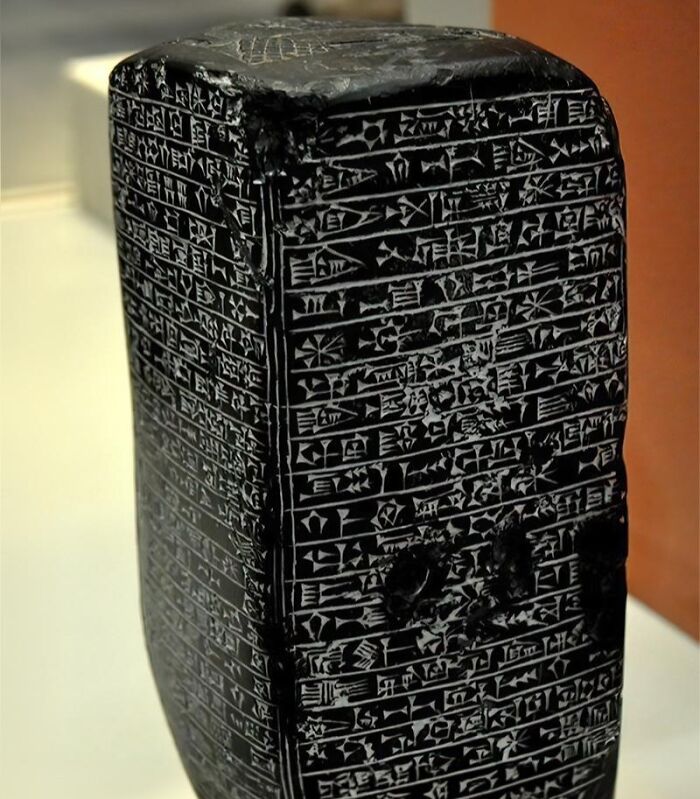
Unveiling a treasure of ancient history, the Marduk Prophecy dates back to a remarkable era from 713 to 612 BC! Discovered in 1910 within “The House of the Exorcist” in Ashur, this Assyrian document commemorates the glorious triumph of Nebuchadnezzar I over Elam. Now proudly displayed at the Vorderasiatisches Museum in Berlin, it stands as a testament to the power and artistry of ancient civilizations. This captivating artifact not only sparks curiosity but also invites us to explore the stories of the past that shaped the world we know today. Don’t miss the chance to connect with history!
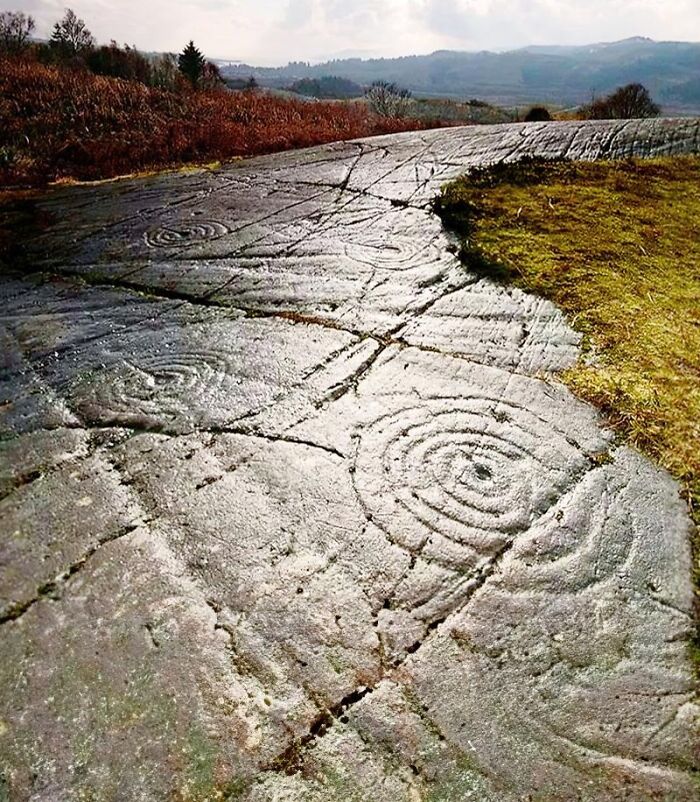
Achnabreck's enigmatic cup and ring marks in Kilmartin Glen are not just mere carvings; they're a tantalizing portal into a world from 4,000 to 6,000 years ago. These massive rock carvings are drenched in mystery and complexity, boasting motifs as large as 1 meter that spread across a vast rock canvas. What rituals did they serve, and what secrets do they hold about our ancestors? Nestled among other prehistoric sites, Achnabreck demands attention yet offers few answers, igniting intrigue in both archaeologists and curious visitors. This mesmerizing landscape is a testament to human creativity and spirituality in the Neolithic age.
So whether it’s the galaxies above or the ground beneath our feet, there’s endless wonder all around us. These posts remind us that the world is way more bizarre, beautiful, and brain-tingling than we give it credit for. Which ancient revelation blew your mind the most? Got a favorite historical moment? Dive into the discussion and let curiosity take the wheel—you never know where it’ll lead.
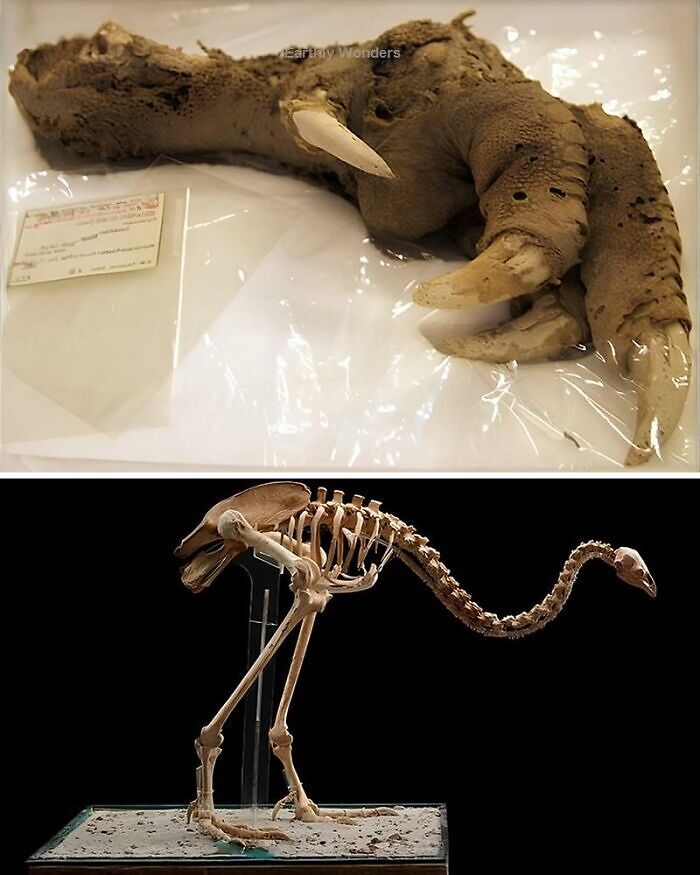
In 1987, explorers made a remarkable discovery in a New Zealand cave: the mummified claw of an upland moa, complete with preserved muscle, skin, and sinew. This claw belonged to a species long considered extinct, having vanished around 600 years ago due to human activity and overhunting. The exceptional preservation of the claw has sparked intriguing discussions among scientists, leading to speculation that these flightless birds may have survived undetected in isolated regions much longer than previously believed. This finding not only reshapes our understanding of the moa's extinction but also highlights the mysteries that continue to linger in our natural history.
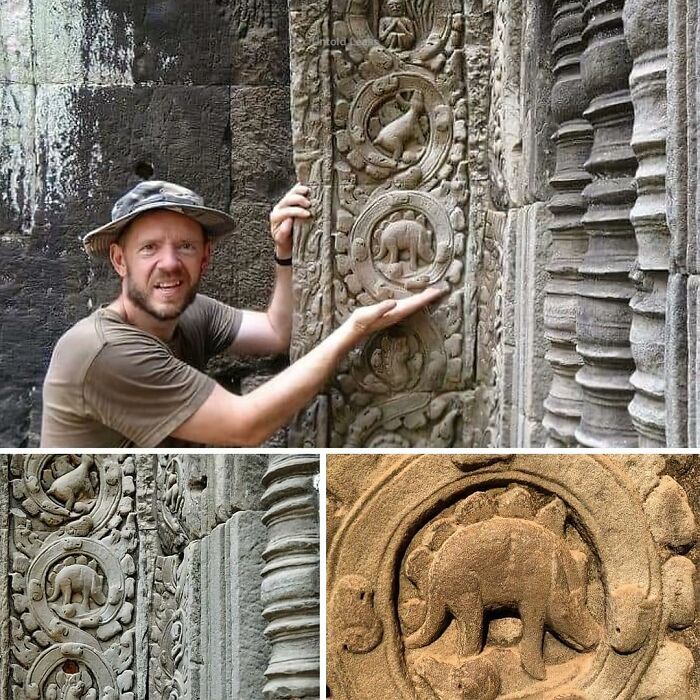
In a secluded corner of Ta Prohm, near Angkor Wat, a hand-sized carving ignites the imagination—a depiction that resembles a stegosaurus. This curious relic, crafted under the reign of King Jayavarman VII in the late 1100s, whispers secrets of a time long past. Encircled by the gnarled roots of ancient banyan trees, the presence of this potential prehistoric emblem raises tantalizing questions. How did such a remarkable image appear in a 12th-century temple? This enigma invites exploration into the intertwining tales of history, myth, and perhaps a glimpse into a reality that defies our understanding of time and existence.
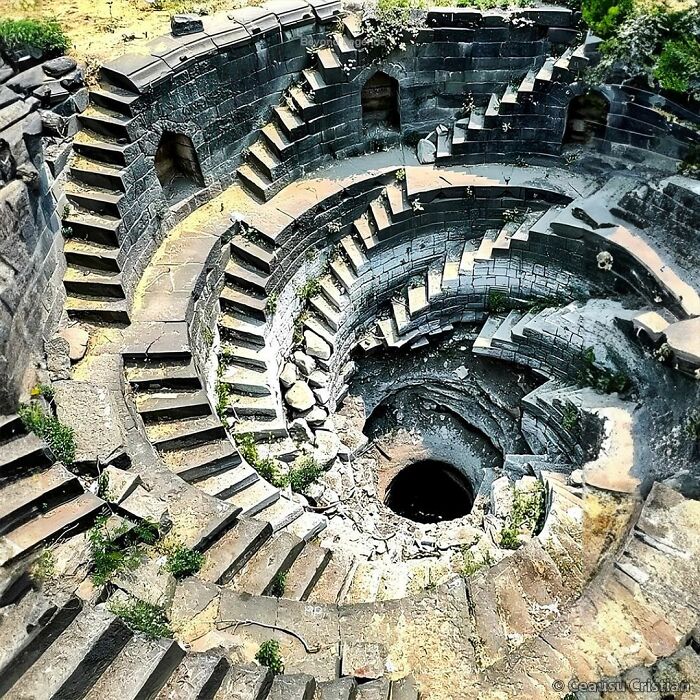
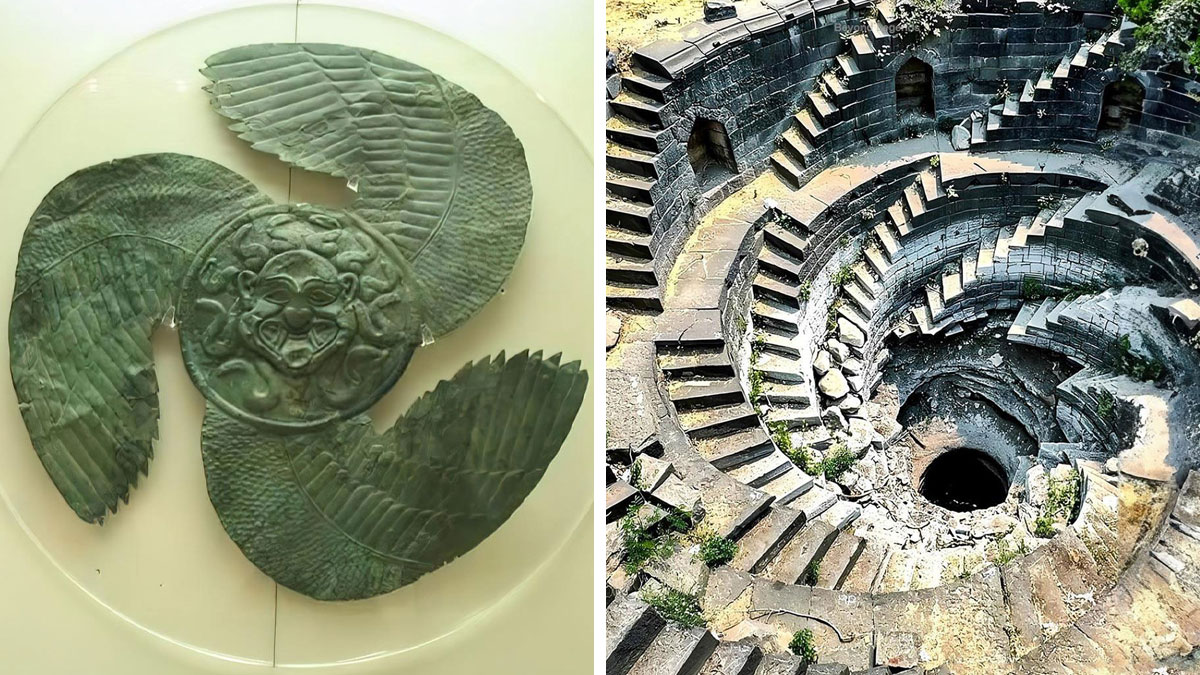
Imagine descending into the depths of the Helical Stepwell in Walur, India, a 16th-century wonder that spirals down in a mesmerizing dance of stone and shadow. This architectural marvel was more than a source of water; it was a sacred hub where community and spirituality intertwined. The stepwell's intricate design reflects the brilliant craftsmanship of its era, serving essential social and religious purposes. As you meander through its winding steps, consider how such creations transformed daily life and spiritual practices, bringing people together as they gathered around this lifeline, a testament to their cultural heritage and ingenuity.
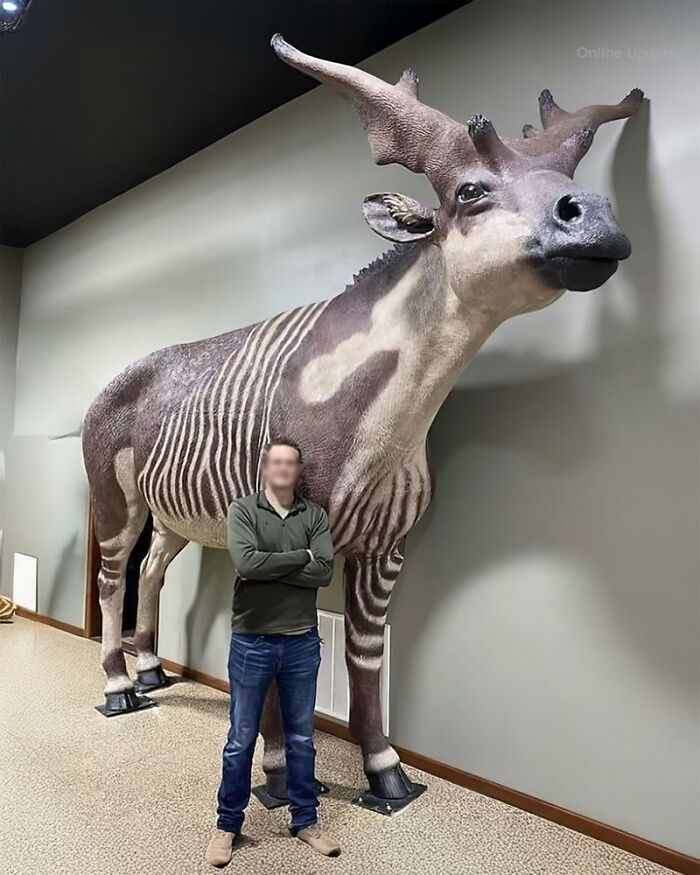
Imagine a colossal creature akin to the modern-day cow, but towering at nearly 3 meters tall and weighing up to 1,360 kg. The Sivatherium, a magnificent relic of a bygone era, roamed Africa and parts of Asia, leaving fossils that are over a million years old. With its striking ossicones and powerful neck, it resembles an okapi yet boasts a sturdier build for navigating prehistoric landscapes. Intriguingly, rock paintings in the Sahara and India suggest that this giant might have survived into human history. Whether it faded away during the Pleistocene or lingered longer, the Sivatherium remains a fascinating symbol of Earth's ancient biodiversity.
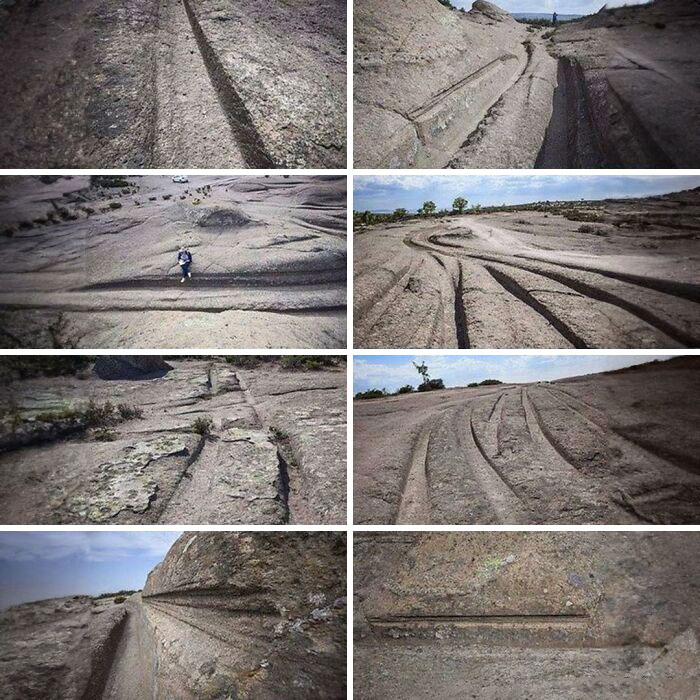
Did you know there are mysterious stone ruts in Turkey that have scientists scratching their heads? These unique formations, created from petrified volcanic ash, leave us wondering how and why they were made. Were they used for ancient transportation, or do they hold an entirely different significance? The real question is what secrets these tracks reveal about human activities in the past and the Earth's geological processes. It's a fascinating topic that bridges history and science, and there's still so much to learn!
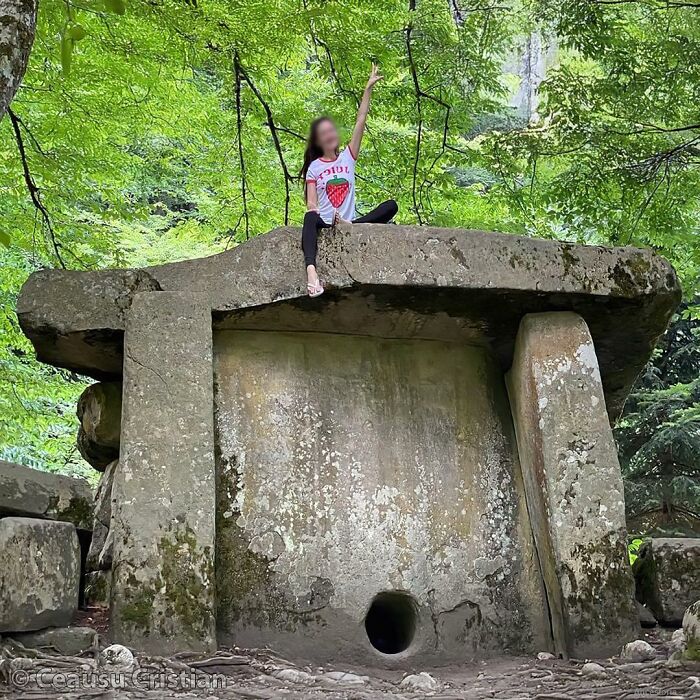
Hidden within the forests of Guzeripl Reserve lies one of Russia's largest ancient dolmens, a remarkable 6,000-year-old structure carved from a single megalithic block. Its distinctive circular opening is a feature common to other dolmens, yet its true purpose remains elusive. Scholars are divided, with theories ranging from it serving as a tomb to fulfilling a ritualistic or technological role. The precision with which an ancient civilization shaped and transported such massive stones raises intriguing questions about their capabilities and knowledge. The mysteries surrounding this dolmen continue to captivate researchers and history enthusiasts alike, keeping its secrets locked away in time.
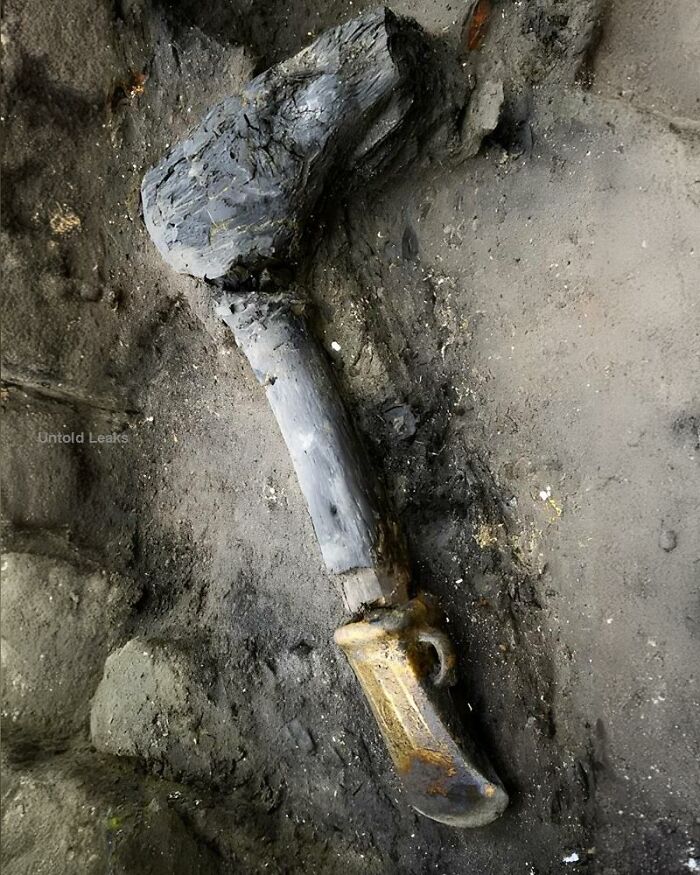
Unearthed in 2016 at Must Farm in Whittlesey, Cambridgeshire, a remarkable bronze socketed axe with a charred wooden handle whispers ancient tales from 1000-800 BCE. This artifact, now safeguarded by the Cambridge Archaeological Unit, hails from a truly extraordinary site—Britain's best-preserved Bronze Age settlement. Its tragic destruction by fire led to the remarkable preservation of its remains, which sank into the silt of a shallow river, frozen in time. Each layer of earth tells stories of a lost world, inviting us to delve deep into the mysteries of a civilization that once flourished, only to be momentarily silenced.
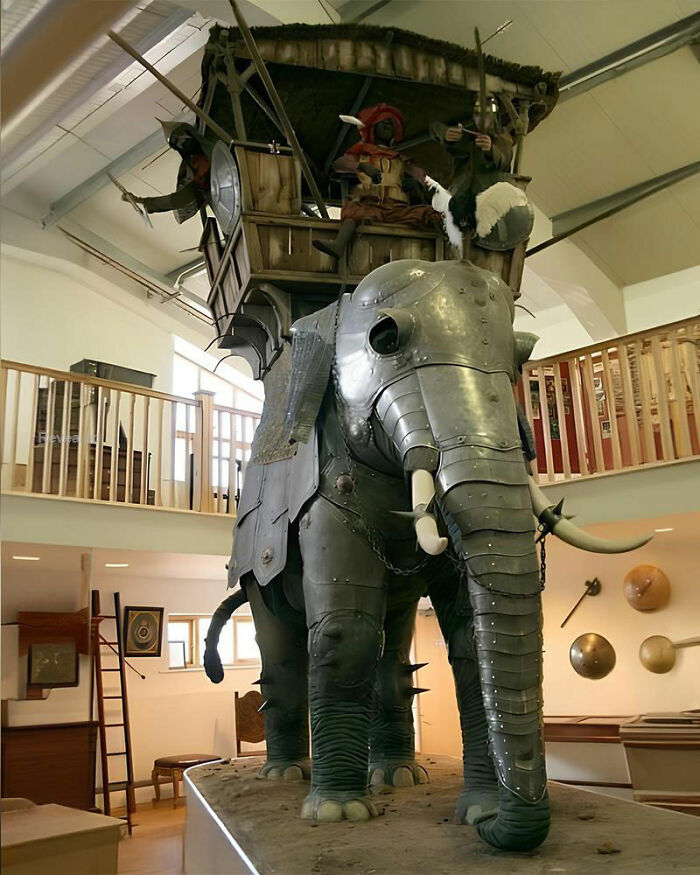
Imagine the sight of armored elephants charging into battle, a spectacle that left even Alexander the Great in awe. This incredible elephant armor, last seen in the 16th century with the Rajput warrior clans of India, has a rich and storied history. First noted by the ancient writer Megasthenes, these majestic creatures were pivotal to the might of Indian armies, including Dhana Nanda's powerful forces. Picture the clash of steel and the thunder of hooves as these extraordinary animals became a symbol of strength on the battlefield, forever etching their legacy in the annals of military history.
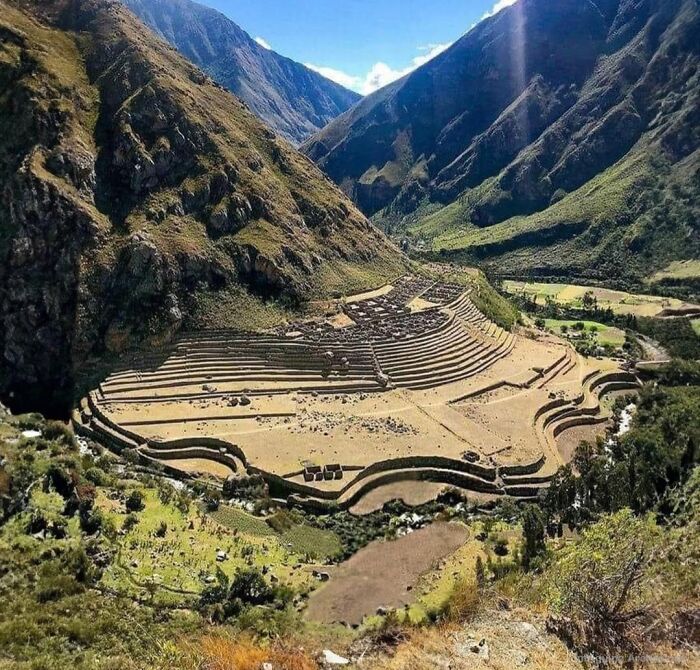
Nestled in the stunning Andes, the ancient site of Patallaqta in Peru is a captivating testament to Incan engineering and agricultural brilliance. This terraced settlement, steeped in history, reveals the incredible ingenuity of its builders, offering a mesmerizing glimpse into a once-thriving civilization. Walking through its stone pathways, you can almost hear the echoes of the past as you soak in the breathtaking scenery and rich cultural heritage. Patallaqta is not just an archaeological site; it's a journey into the remarkable world of the Incas that continues to inspire wonder and admiration today.
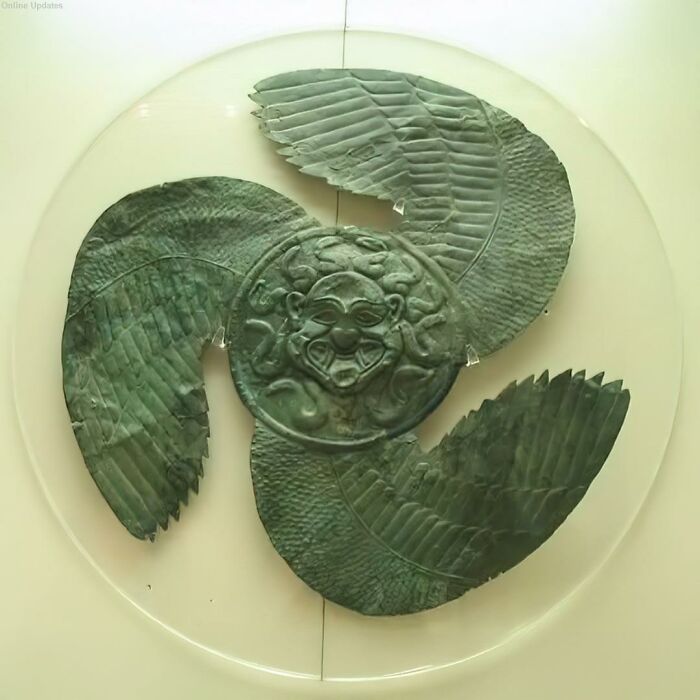
This mesmerizing bronze triskelion, with its striking three-winged design and fierce central face, is a captivating artifact from ancient Greece. Long associated with motion, cycles, and divine power, the triskelion has a rich history, appearing in various cultures from Neolithic Europe to the Celts. It adorned everything from warrior shields to sacred sites, showcasing its importance in Greek art and mythology. This exquisite piece highlights the motif's influence, evident in Magna Graecia, Mycenaean vessels, and ancient coins. Now displayed at the Archaeological Museum of Olympia, Greece, it stands as a remarkable relic of an enduring symbol through time.
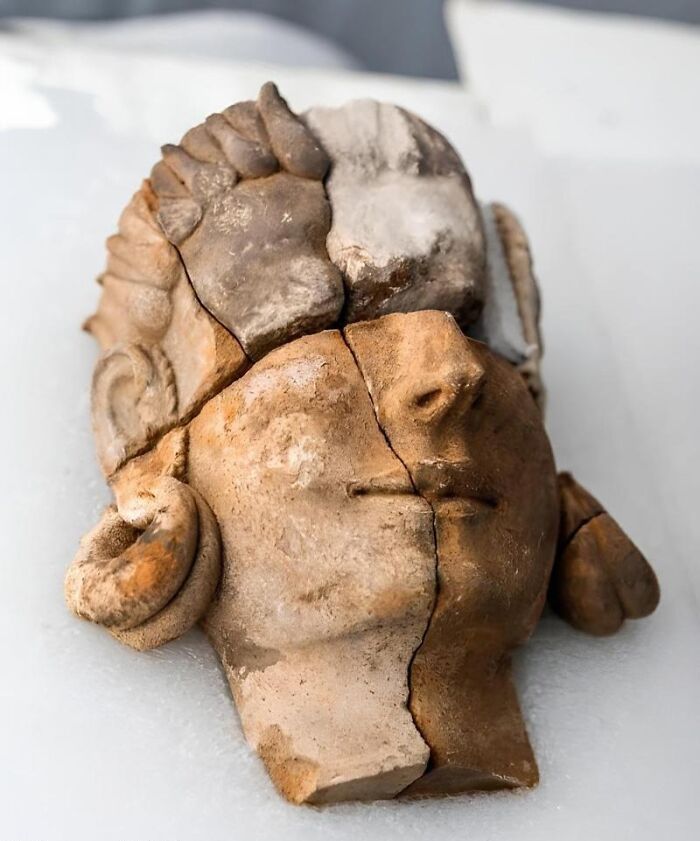
An astonishing find has revealed the first-ever human representation from the Tartessos civilization! These remarkable reliefs were discovered at the Casas del Turuñuelo site, dating back to the Tartessian culture from the 8th to 5th centuries BC in the southwest Iberian Peninsula. A fascinating mix of Paleohispanic and Phoenician influences, the Tartessians were celebrated for their exceptional metalworking and stone-carving skills, as well as their unique religion and elusive written language. With connections to major Mediterranean cultures and mentions by historians like Ephorus and Herodotus, this discovery deepens our appreciation for Tartessos’ pivotal role in ancient history.
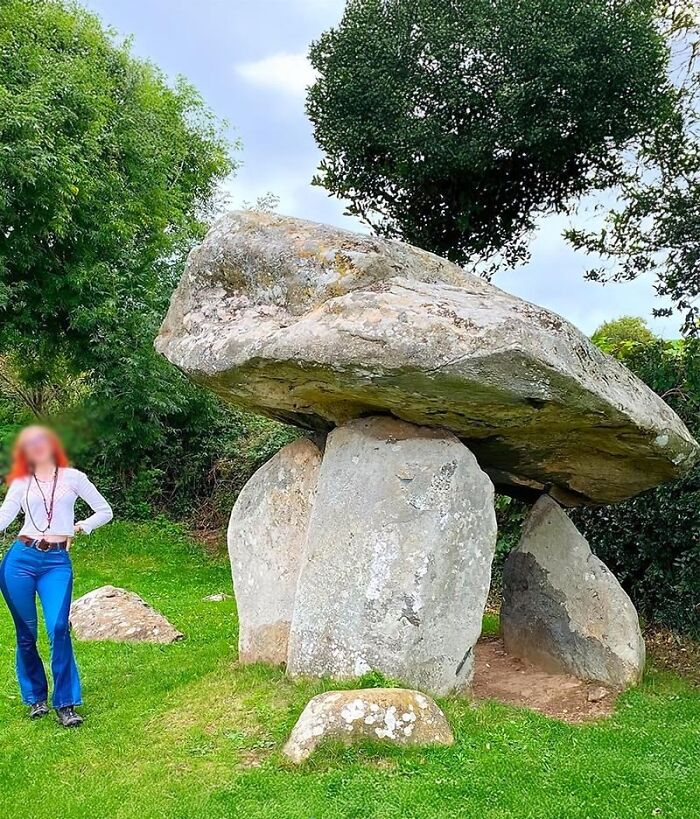
Carreg Coetan Arthur, a remarkable Neolithic burial chamber on the north Pembrokeshire coastline, embodies over 5,000 years of history with its impressive 17-ton capstone, teetering on two of its original uprights. While not a traditional portal dolmen, the southern orthostats create an intentional entrance, suggesting a carefully planned design. Once a revered site for ancestral rituals, this sacred space now exists unexpectedly near a cul-de-sac, juxtaposing ancient customs with the realities of contemporary life. This burial chamber serves as a profound reminder of our connections to the past amid the encroachments of modernity.
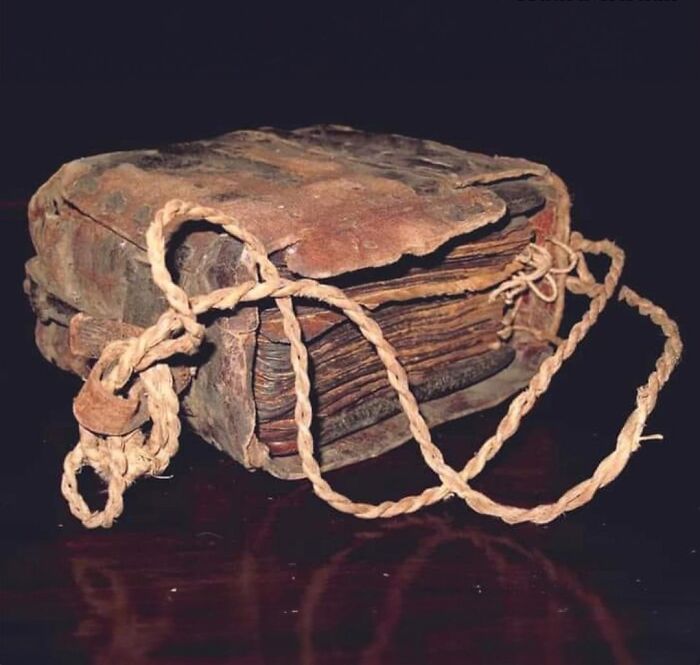
Imagine uncovering the world's oldest and most complete Bible, dating back to the early fifth century! Written on goat skin, this stunning artifact isn’t just remarkable for its age; it’s also the first illustrated Christian Bible, offering a fascinating glimpse into early Christian traditions and beliefs. What secrets and stories lie within its ancient pages? Each illustration could unlock a narrative from a time long gone, inviting us to explore the spiritual landscape of our ancestors. Discover the rich heritage and the wisdom that has been preserved through centuries in this incredible text!
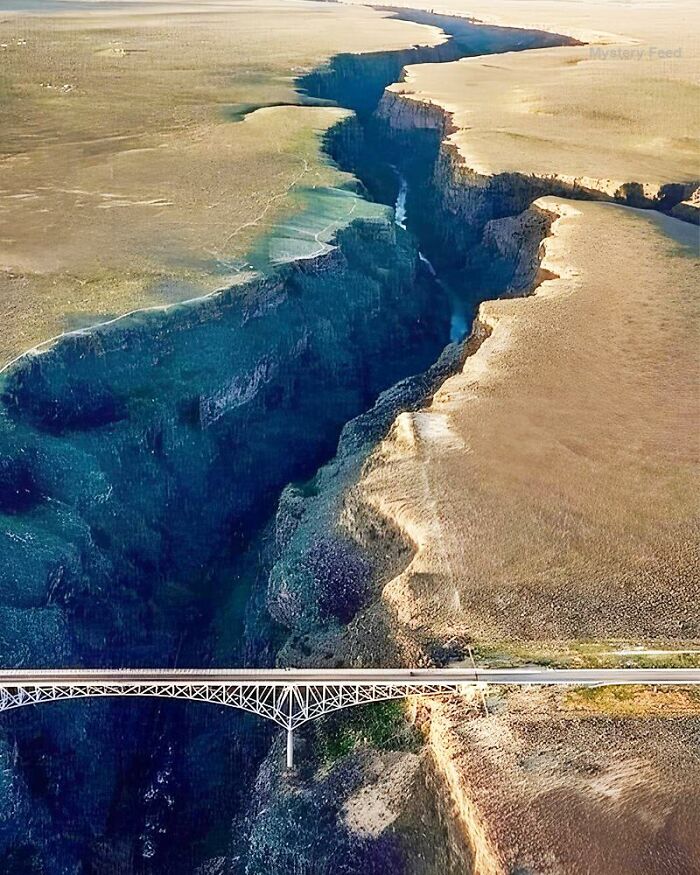
Imagine a colossal rift cutting through New Mexico, where the mighty Rio Grande refuses to be tamed! This stunning gorge, born from volcanic wonders, showcases nature's raw power as the river carves its path through the basalt flows of the Taos Plateau. Spanning from southern Colorado to the Gulf of Mexico, Rio Grande isn't just North America's fourth-largest river; it’s a relentless force that has sculpted the American Southwest over millennia. Witness how water and geology collide in a breathtaking display of natural artistry, revealing the earth’s fierce and beautiful secrets.
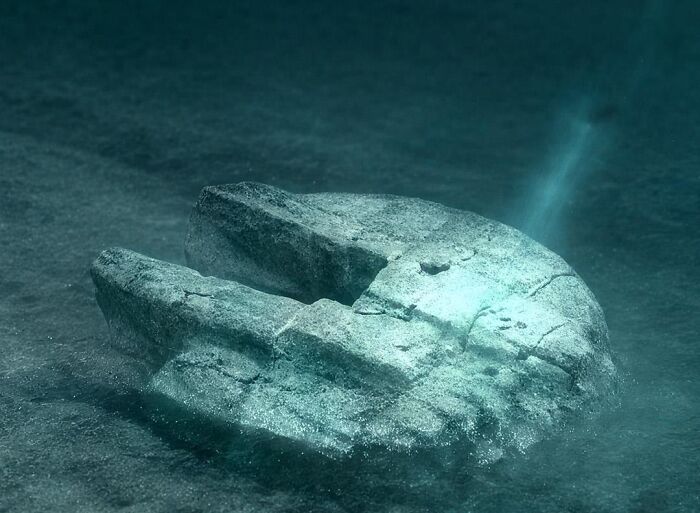
Could the Baltic Sea Anomaly be the remains of a crashed alien spaceship? Since its discovery in 2011, this peculiar underwater structure has captured the imagination of many, thanks to its striking shape and mysterious features. While some enthusiasts lean toward extraterrestrial theories, scientists argue it may simply be a natural geological formation or a relic of an ancient human civilization. This enigma invites your imagination to run wild—what could it really be? The debate continues, leaving us yearning for answers beneath the waves.
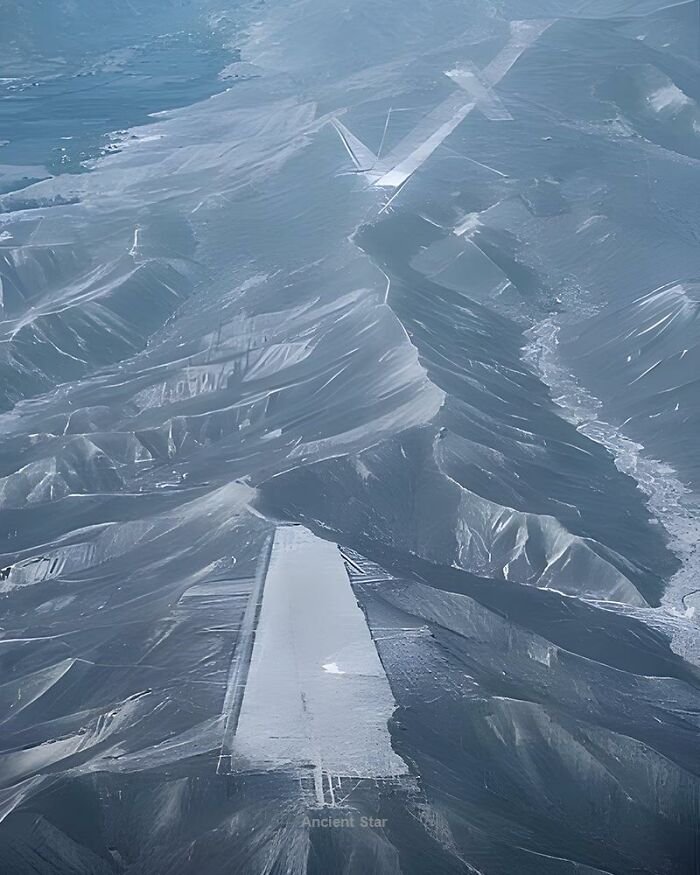
Check out this stunning aerial shot of the Nazca Lines! Unlike the iconic animal geoglyphs you're probably more familiar with, these long, straight stripes crisscross the desert—super intriguing, right? No one really knows their purpose. Were they ceremonial paths, markers for astronomical events, or something even more mysterious? The scale and precision of these ancient lines completely baffle archaeologists, and they definitely get the imagination going about how and why they were made. It's a fascinating puzzle that keeps drawing people in!







































 No fees, cancel anytime