Get Premium
Dark mode theme is available exclusively for premium users. Learn more about the benefits of subscribing.
No fees, cancel anytime.

 Dark Mode Ad-Free Browsing Unlimited Content
 Ad-Free Browsing Unlimited Content Dark Mode
Join 1.2 million Panda readers who get the best art, memes, and fun stories every week!
For many photographers, taking pictures of weird creatures are one of a kind art that speaks a thousand words. The unusual beauty of these creatures, which many of them are already rare species seldom seen by human eyes, yet really stands out. So, put on your goggles, snorkel and flippers and let’s discover the beauty of these strange-looking creatures.
More info: ocean.nationalgeographic.com
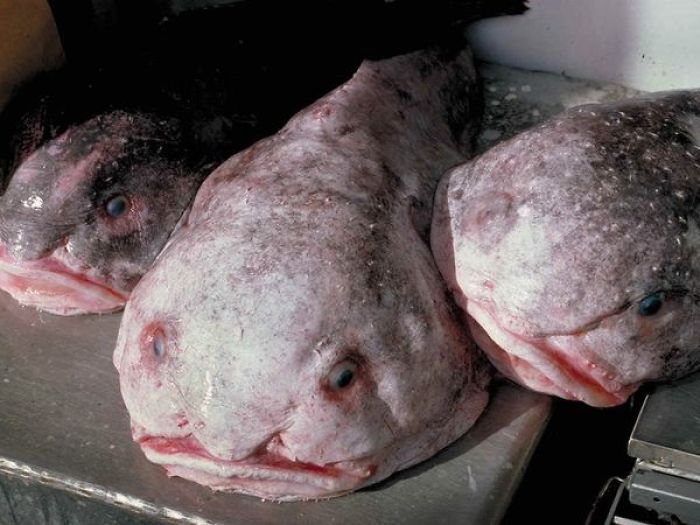
Source: NOAAAlaskaFisheriesScienceCenter
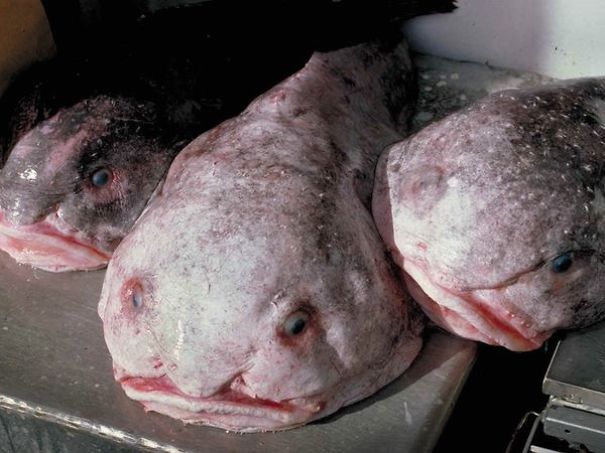
Although the Blob Sculpin may not have a flattering name but it does capture a bit of the creature’s essence. Many scientists have observed males guarding rocky seafloor nesting their sites, also filled with hundreds of pale pink eggs, in the mile-deep waters off the coast of California.
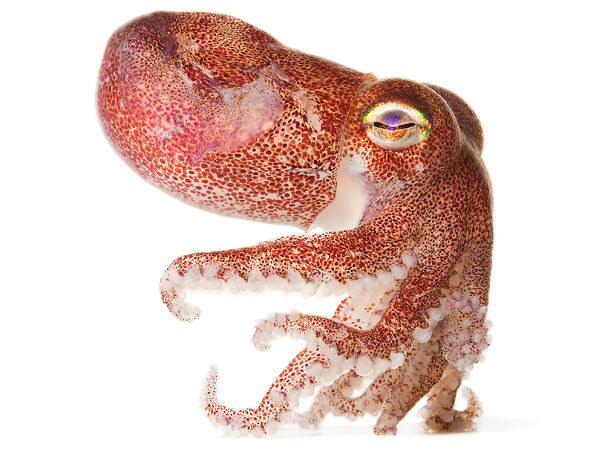
Source: PhotographbySusanMiddleton
Rossia pacifica is not really a true squid. It buries itself in the sandy ocean bottom during the day and crawls often out at night.
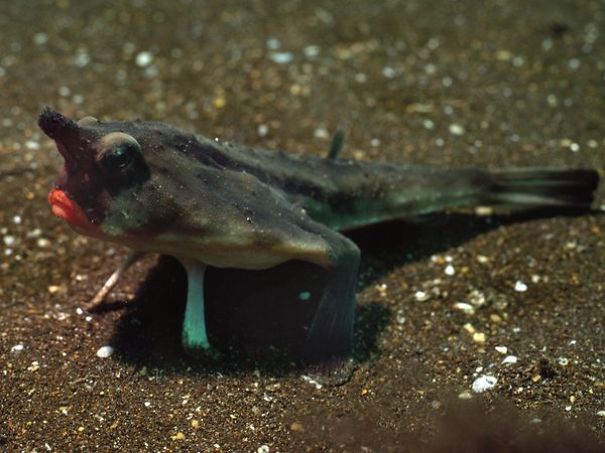
Source: PhotographbyDavidDoubilet,NationalGeographic
This fish has fins and red lips made for walking on the seafloor near the Galápagos Islands. The red-lipped batfish is also one of some 60 species of batfishes, which are “flattened” from life on the seafloor and they are adapted to walk on modified pectoral and pelvic fins.
Source: PhotographbySusanMiddleton
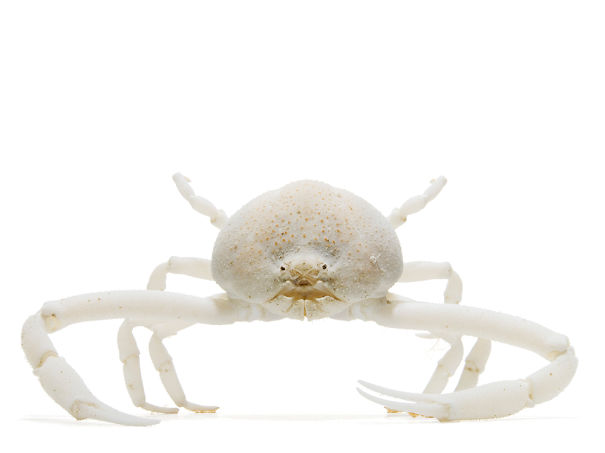
Tanaoa distinctus is named after a Polynesian god who was banished to the depths of the ocean.
Source: PhotographbyGaryBell,OceanwideImages
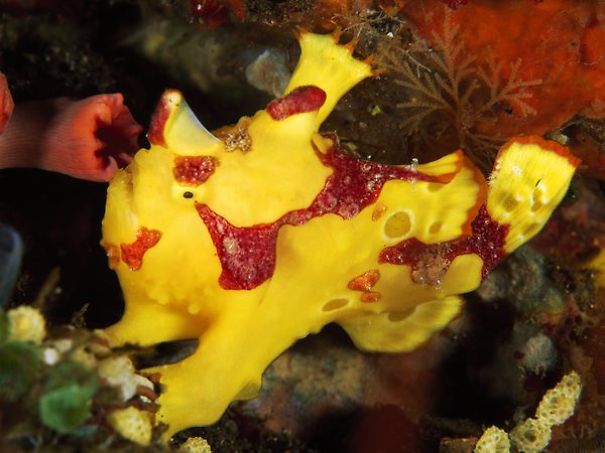
This brightly-colored clown frogfish shows off its stuff on a reef. Members of the frogfish family usually keep a much lower profile, which relies on the art of camouflage—even changing their colors—to stay hidden in their reef homes.
Source: PhotographbySusanMiddleton
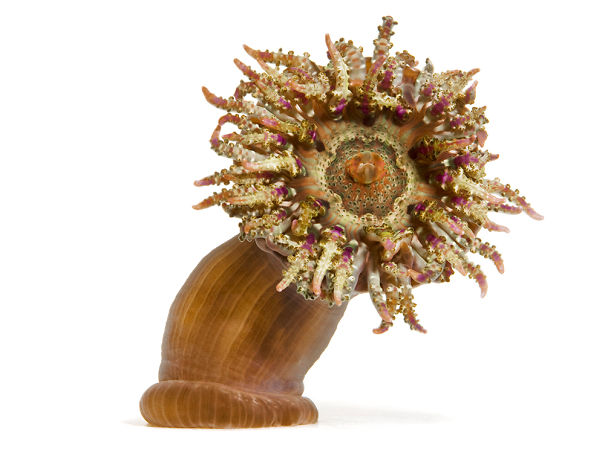
In nature, the stalk of this Phymanthus genus would be buried in sediment. Its tentacles would be exposed, and they often blend in with the sand to fool some unsuspecting prey.
Source: PhotographbyDavidShale
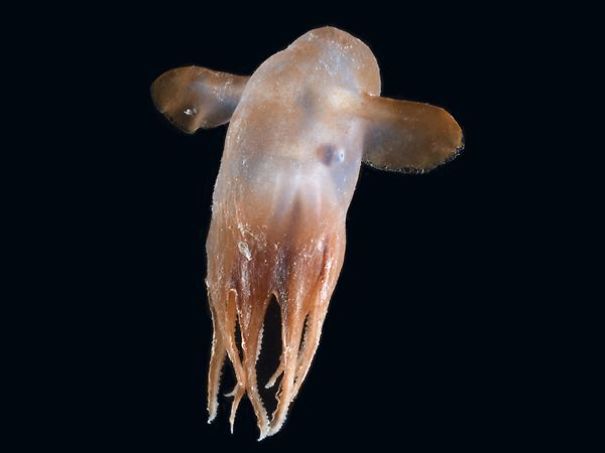
The Dumbo octopus, named for its pair of prominent fins, is smaller than its elephant namesake—it is only about 8 inches long—and typically dwells near the ocean floor. Like many other octopuses, it has also eight arms, but they are webbed and typically serve as swimming aids, which supplements the flapping of the giant fins.
Source: NationalGeographic
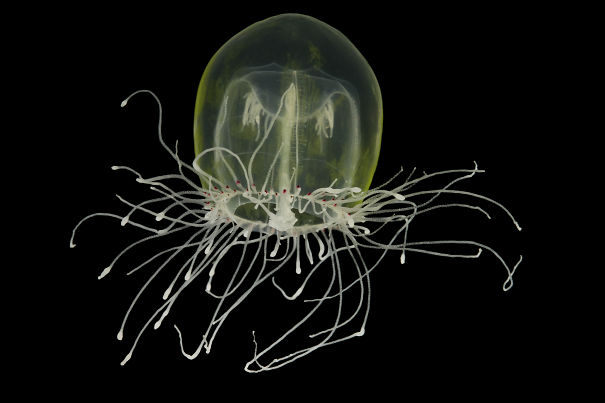
Unlike most of the jellyfish, Polyorchis penicillatus spends its time on the bottom of the ocean during the day. It often perches on its tentacles and feeds on tiny animals crawling on the sand.
Source: PhotographbySusanMiddleton
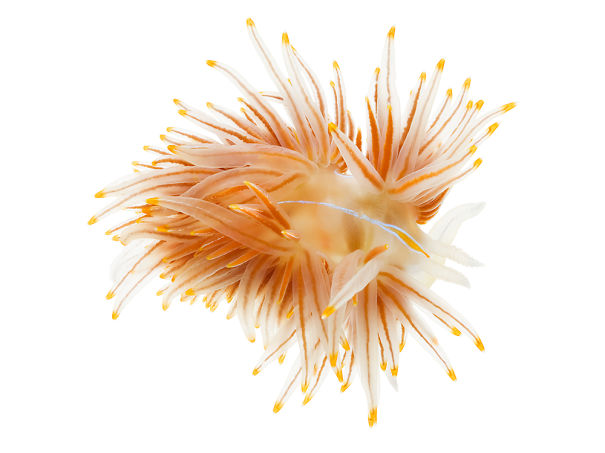
The Hermissenda crassicornis’ orange-tipped tentacles are detachable, which helps the creature escape the grasping claws of hungry crabs.
Source: PhotographbyBrianJ.Skerry
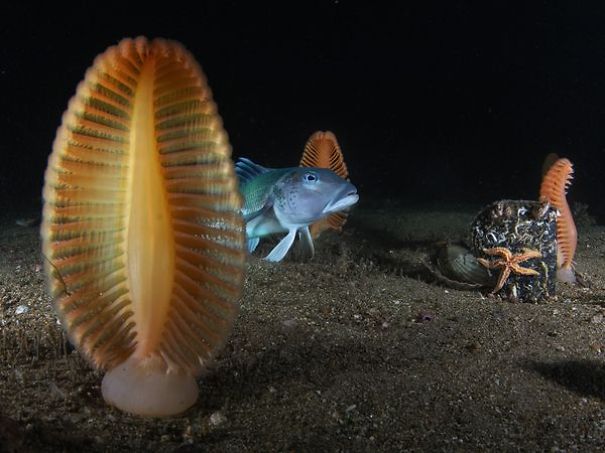
Named for their resemblance to an old-time quill writing implements. These Sea pens are actually colonies of small, tentacled polyps, and form “branches.”
1Kviews
Share on Facebook





































 No fees, cancel anytime




3
0