Get Premium
Dark mode theme is available exclusively for premium users. Learn more about the benefits of subscribing.
No fees, cancel anytime.

 Dark Mode Ad-Free Browsing Unlimited Content
 Ad-Free Browsing Unlimited Content Dark Mode
Join 1.2 million Panda readers who get the best art, memes, and fun stories every week!
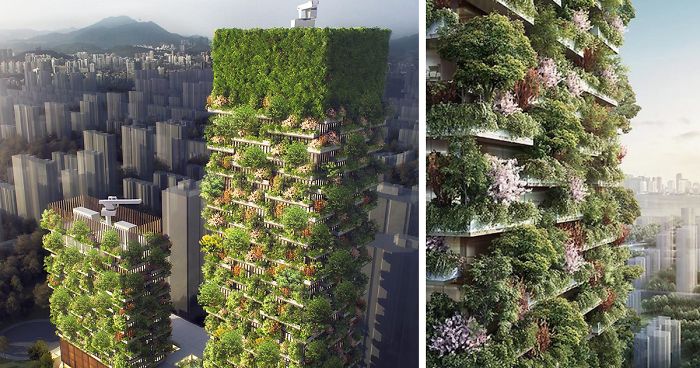
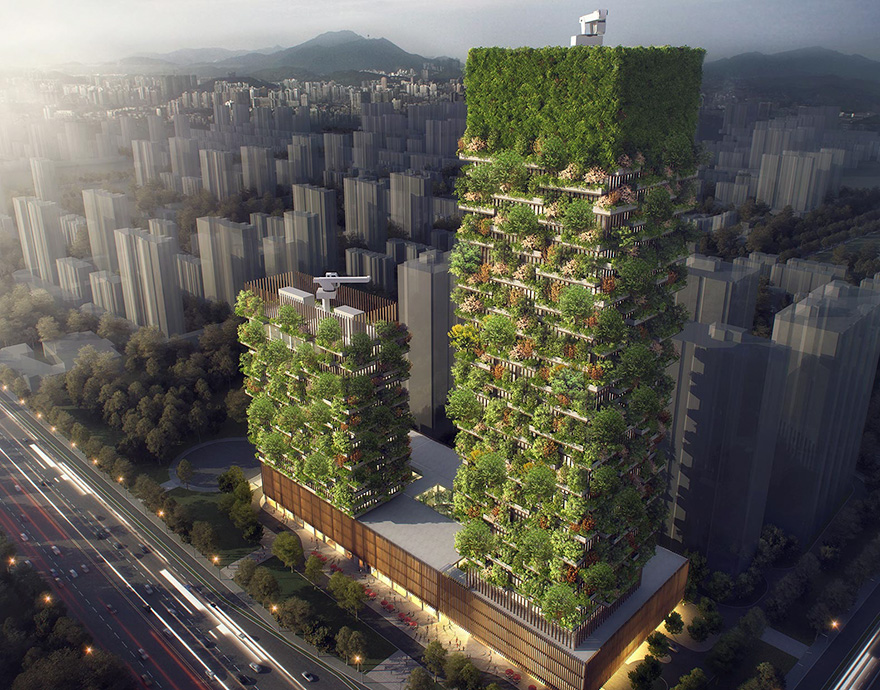
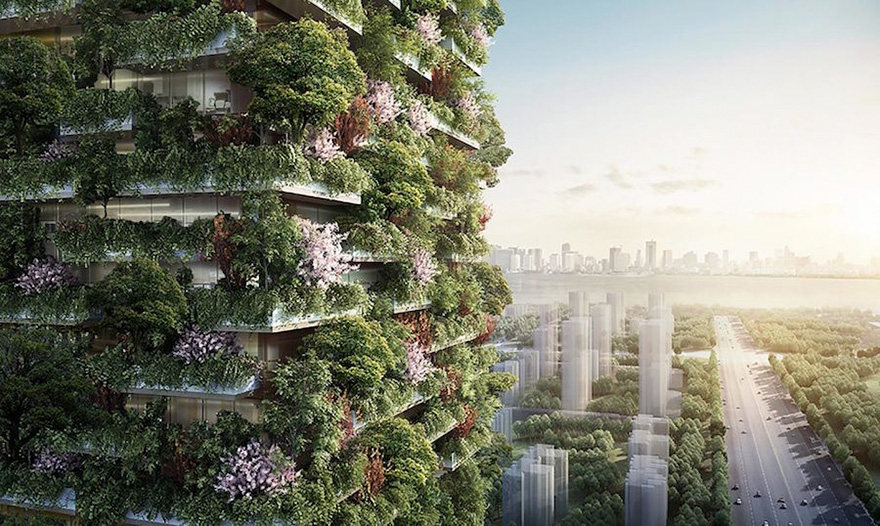
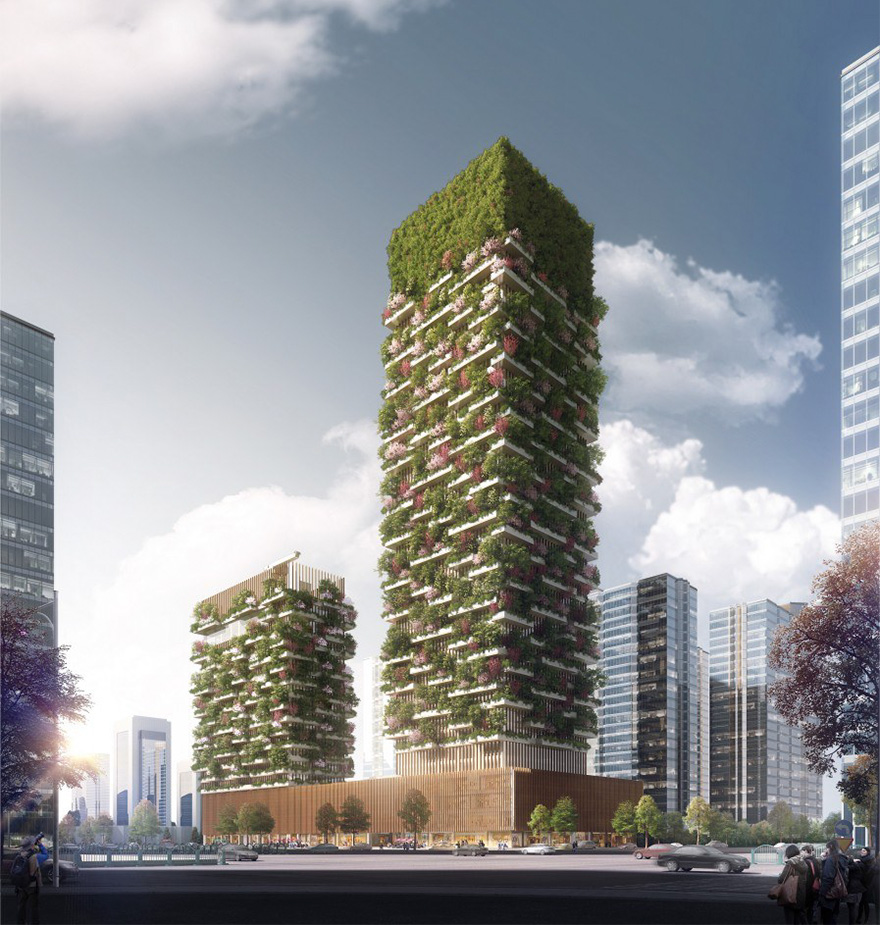
It’s a good job that these vertical forests in Nanjing, China are going to produce 132 pounds (60kg) of oxygen every day, because they’ll literally take your breath away when you see them.
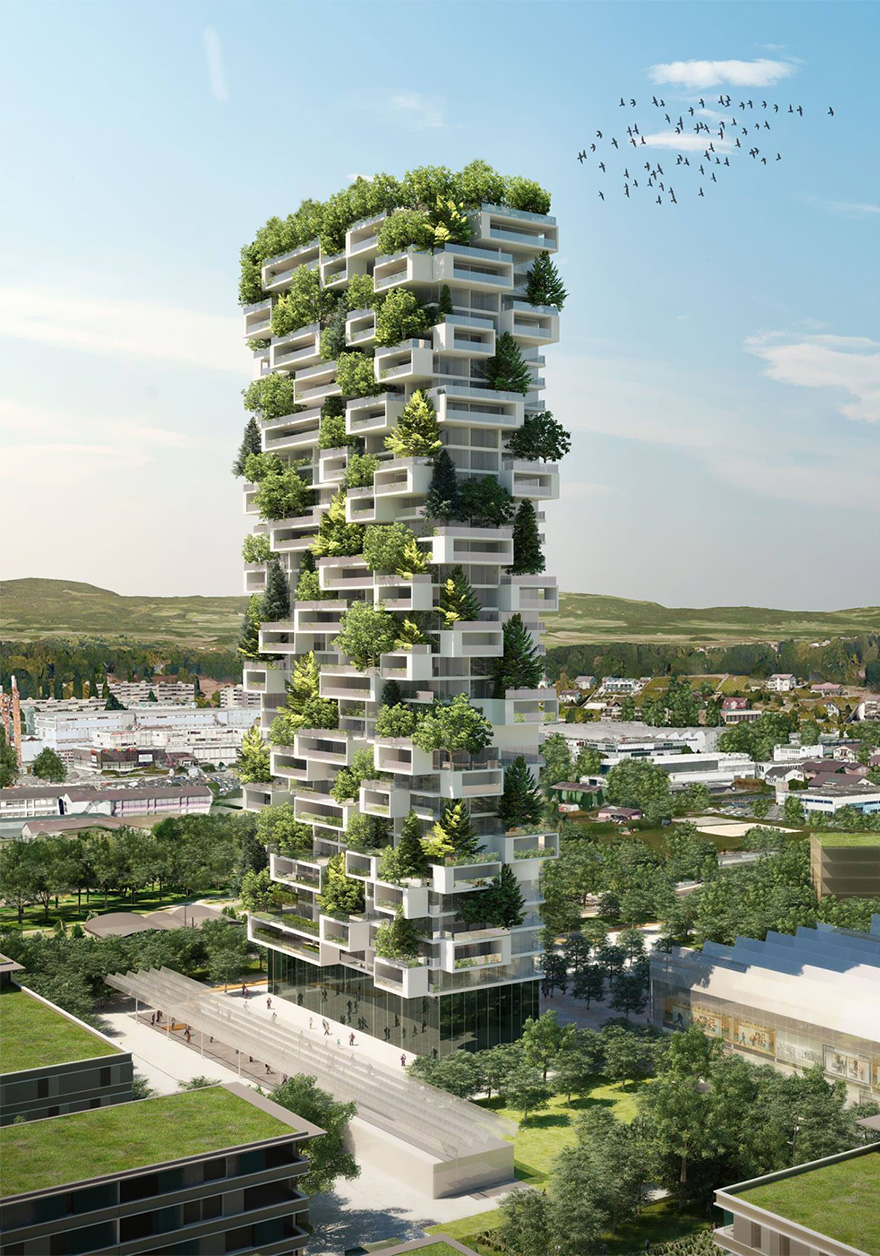
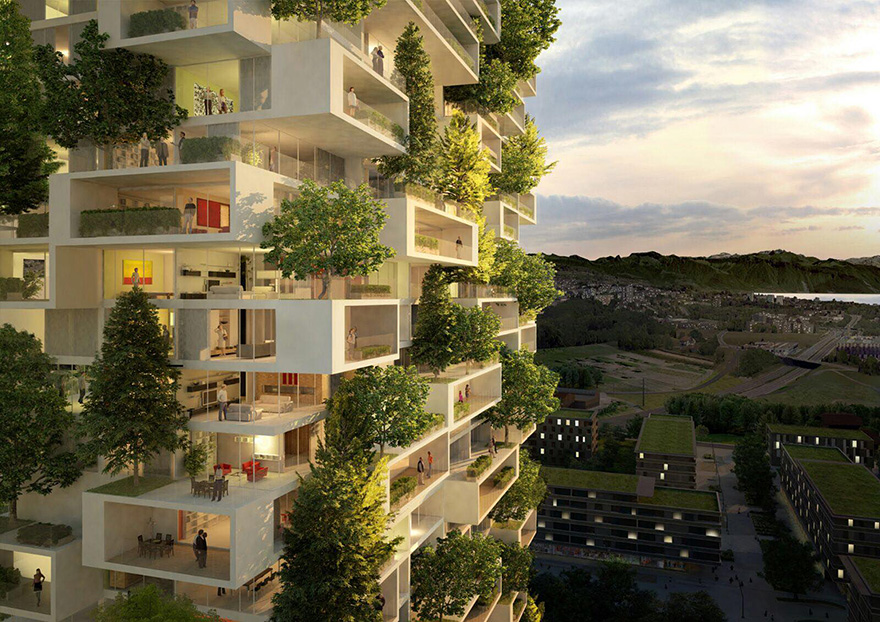
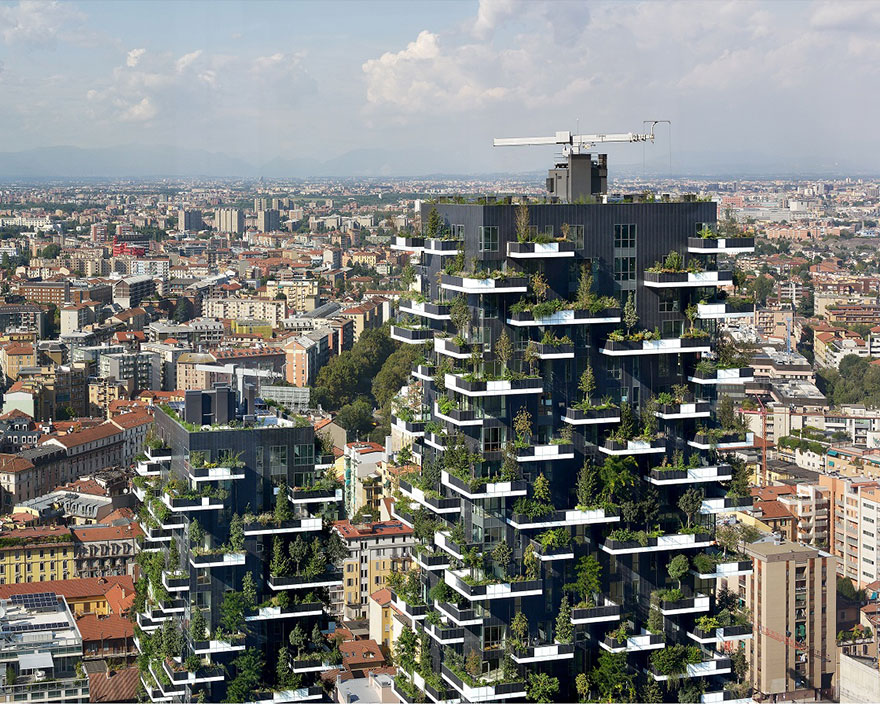
They’re called the Nanjing Towers, and once they’re complete in 2018 they’ll be Asia’s first ever vertical forests. Designed by Italian architect Stefano Boeri, each tower will stand 656ft and 354ft respectively, and between them they’ll house over 1,000 trees and approximately 2,500 shrubs from 23 different local species. The taller tower will contain offices, a museum, a green architecture school and a rooftop club, while the smaller tower will house a rooftop pool and a 247-room Hyatt hotel. Balconies will afford visitors stunning views of the dizzying vertical forests that are intended to help regenerate local biodiversity. These aren’t the first vertical forests that Stefano has designed however. Two have already been built in Milan and similar buildings have been planned for Lausanne, Switzerland. In an increasingly polluted world, these green designs are a real breath of fresh air.
More info: Stefano Boeri | Facebook (h/t: inhabitat, mymodernmet)
471Kviews
Share on Facebook
Any air quality improvement endeavour from China directly affects us in Korea. This project is good news

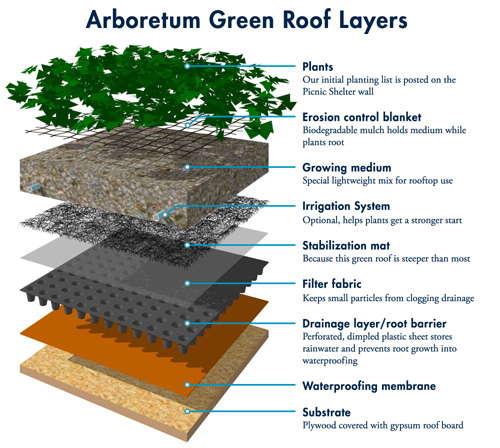
Except for one thing Daria. Trees, and bushes have roots, and roots have no problem with slowly breaking up hard objects, such as concrete. All of this looks great in artist's rendering, but over time, those balconies holding all that weight and vegetation, will break off and drop on to the ones below. Unless they can come up with something more enduring, this will not work, over time.
Load More Replies...
I hope the architect takes into account the potential extra weight the tower will put on with all those plants growing and gaining weight lol.
What worries me more is the roots that grow into the walls, slowly destroying them. But seeing so many actual parks planted on the rooftops of various buildings, I guess they found a way.
Load More Replies... Any air quality improvement endeavour from China directly affects us in Korea. This project is good news
Except for one thing Daria. Trees, and bushes have roots, and roots have no problem with slowly breaking up hard objects, such as concrete. All of this looks great in artist's rendering, but over time, those balconies holding all that weight and vegetation, will break off and drop on to the ones below. Unless they can come up with something more enduring, this will not work, over time.
Load More Replies... I hope the architect takes into account the potential extra weight the tower will put on with all those plants growing and gaining weight lol.
What worries me more is the roots that grow into the walls, slowly destroying them. But seeing so many actual parks planted on the rooftops of various buildings, I guess they found a way.
Load More Replies...




































 No fees, cancel anytime

















734
76