Get Premium
Dark mode theme is available exclusively for premium users. Learn more about the benefits of subscribing.
No fees, cancel anytime.

 Dark Mode Ad-Free Browsing Unlimited Content
 Ad-Free Browsing Unlimited Content Dark Mode
Join 1.2 million Panda readers who get the best art, memes, and fun stories every week!
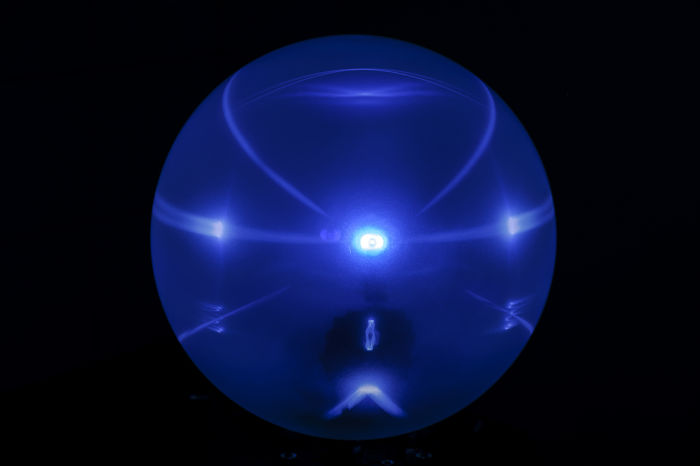
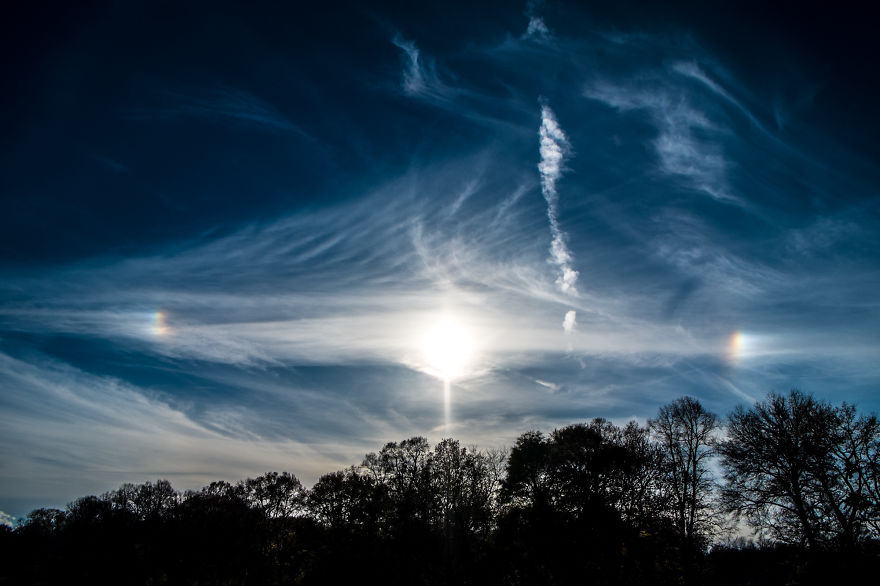
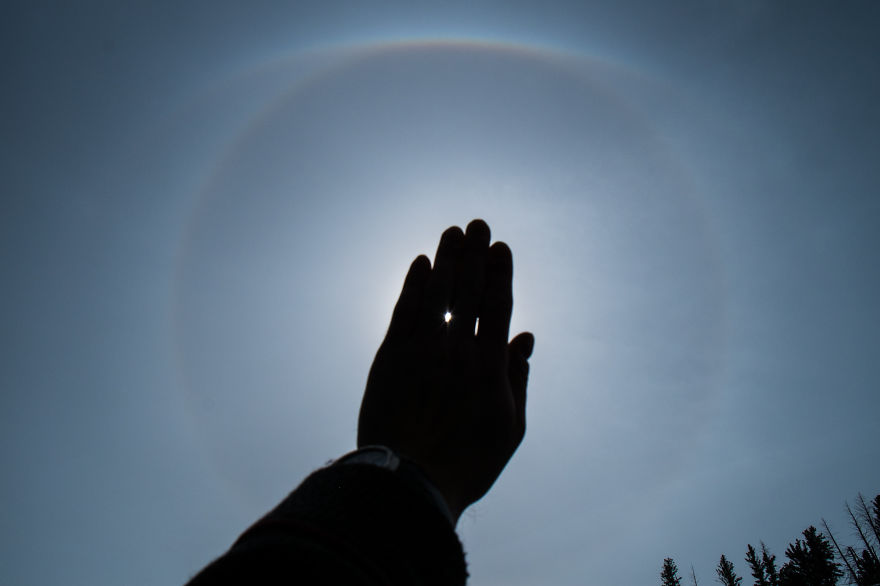
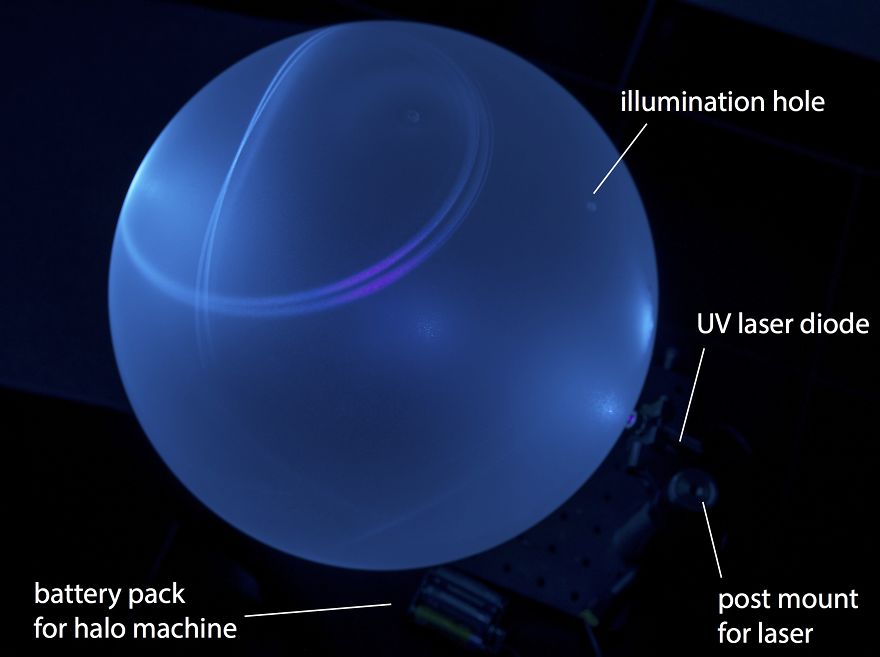
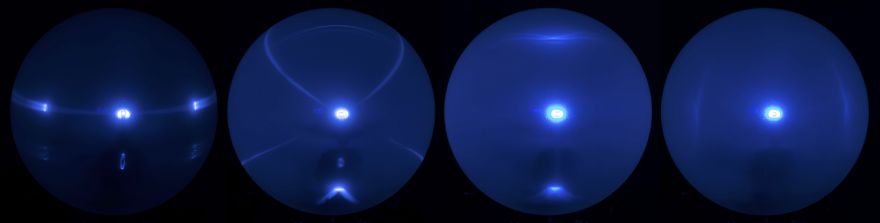
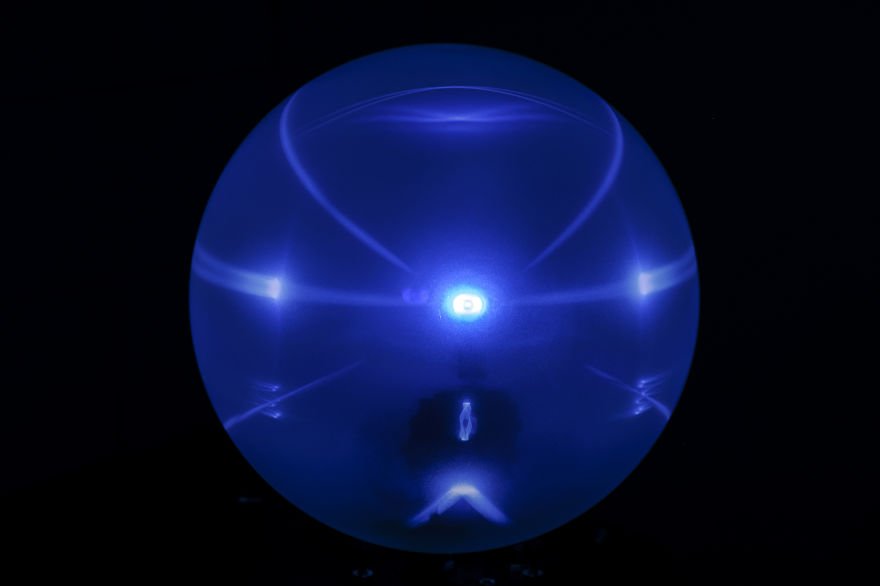
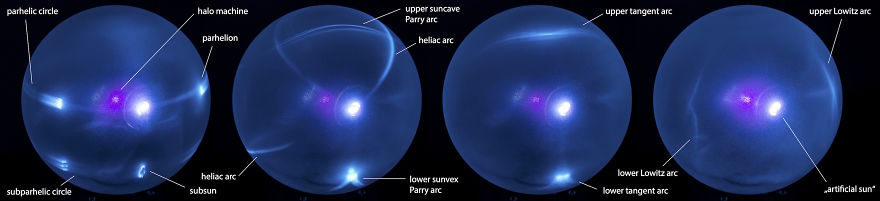
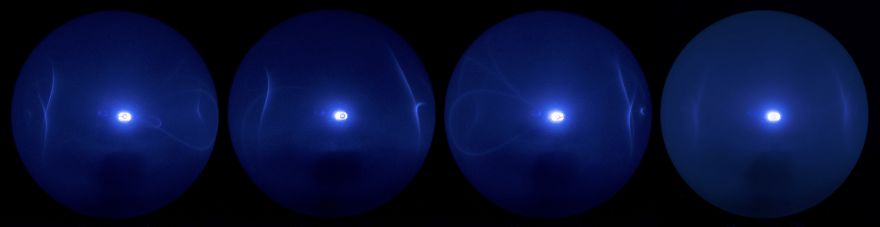
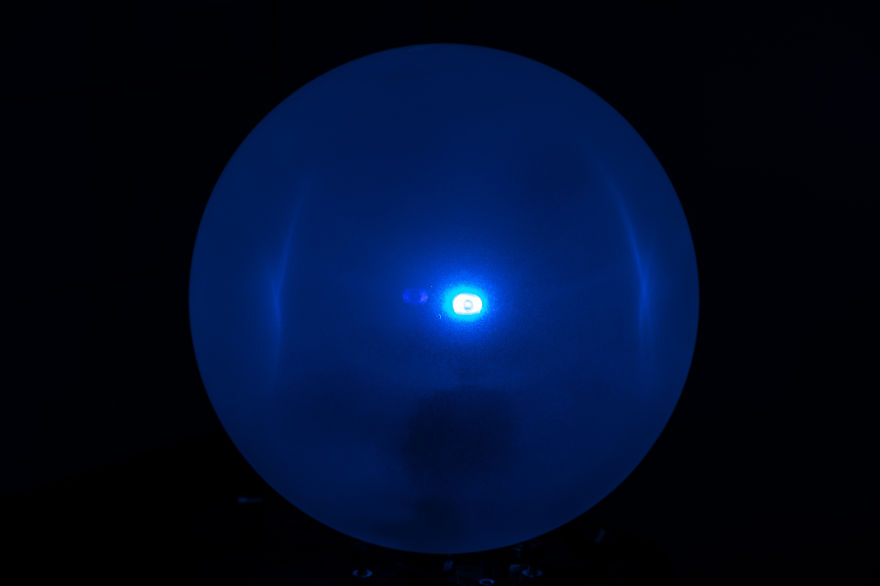
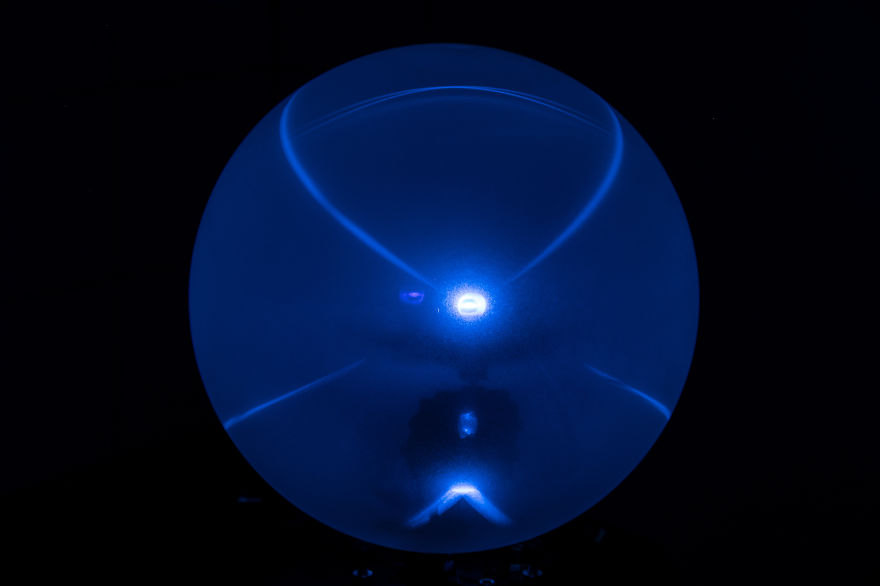
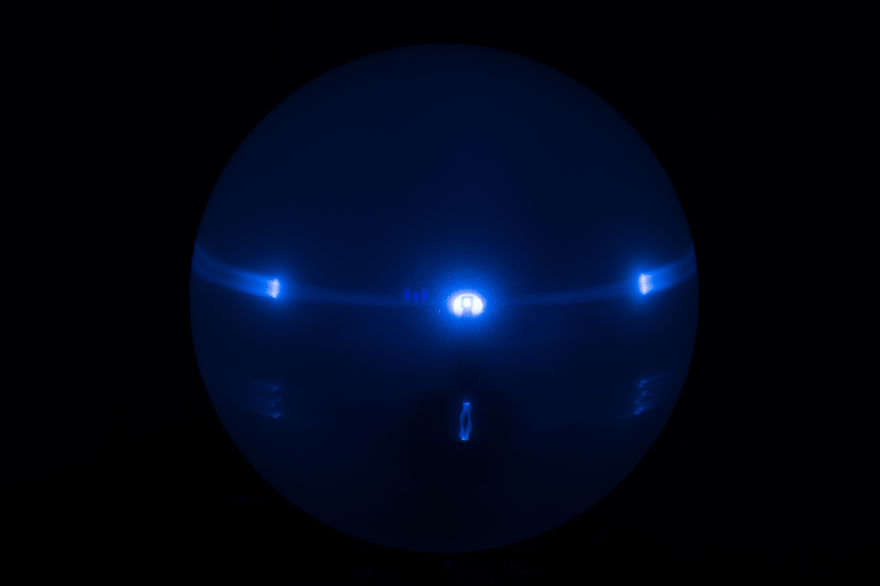
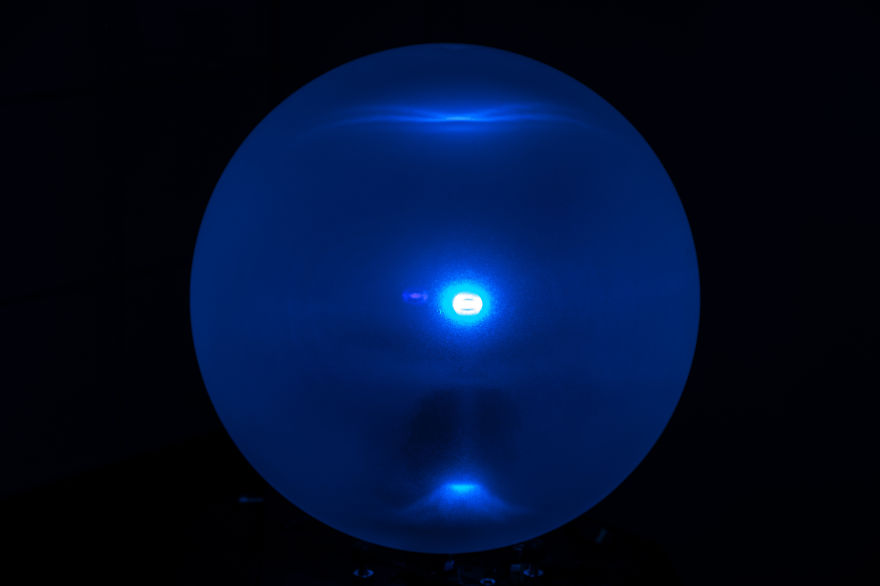
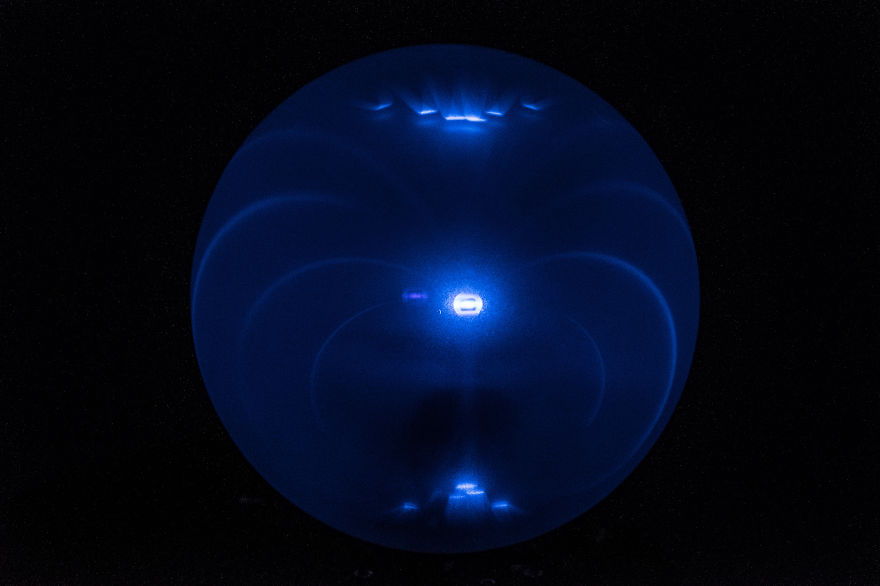
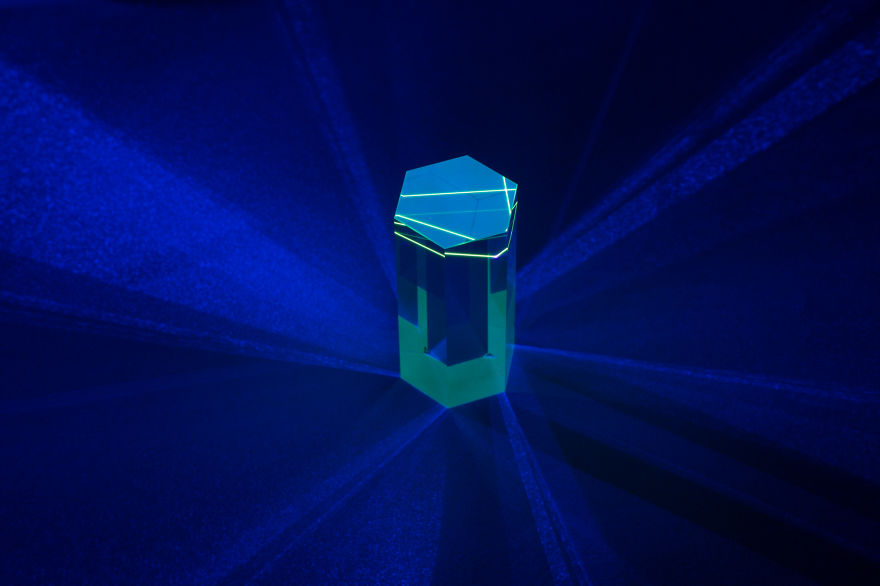
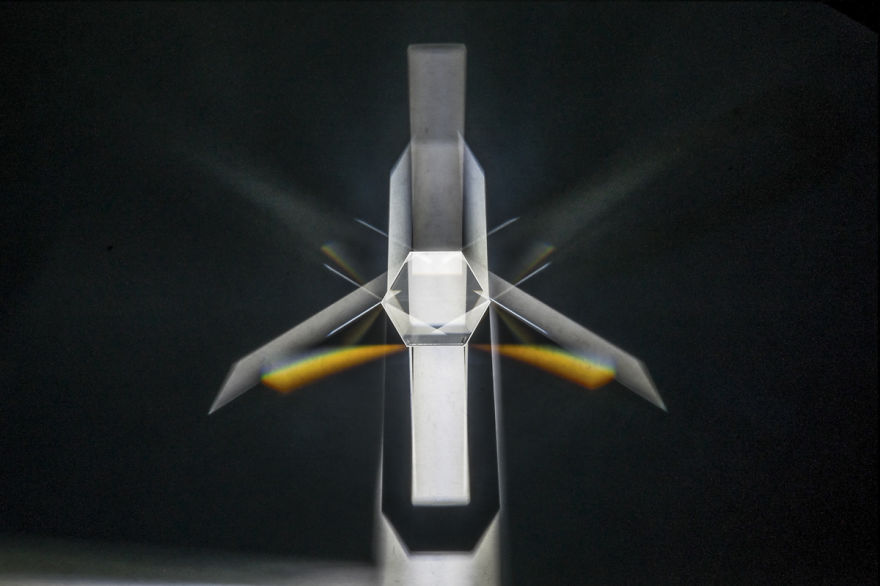
By illuminating hexagonal glass crystals which spin about one or two axes (simultaneously), together with my wife, we recreate one of nature’s most beautiful atmospheric optics phenomena: ice halos.
While everyone knows about rainbows, atmospheric ice halos do not share the same popular recognition, despite them being no less imposing! After we became aware of the phenomenon a few years ago, we have ever since been astonished by the frequency with which one may observe halo displays once you know when and where to look for them.
Their formation mechanism is somewhat similar in the sense that it is a special type of refraction caustic, i.e. an effect of light concentration in certain directions mediated by the bending of light through transparent bodies of certain shapes. For rainbows, the shape explaining their appearance is a sphere, whereas for halos hexagonal prisms are responsible. Each type of geometric light path through the prismatic ice crystals corresponds to a particular halo seen by the observer on the skye sphere. The variety of observable halo phenomena large, owing to the complex geometry of the refracting hexagonal ice crystals and their possible in-air orientations they can take!
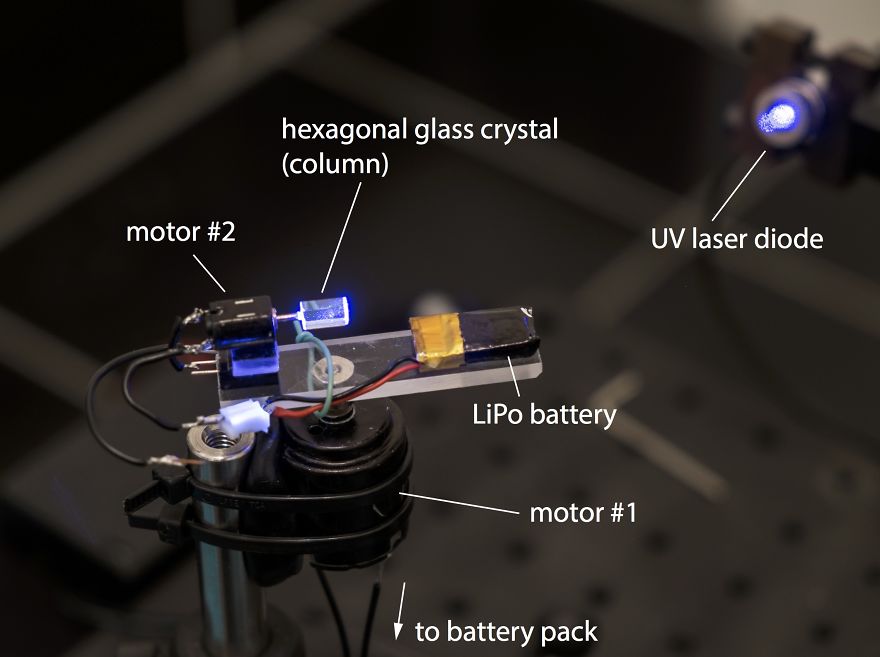
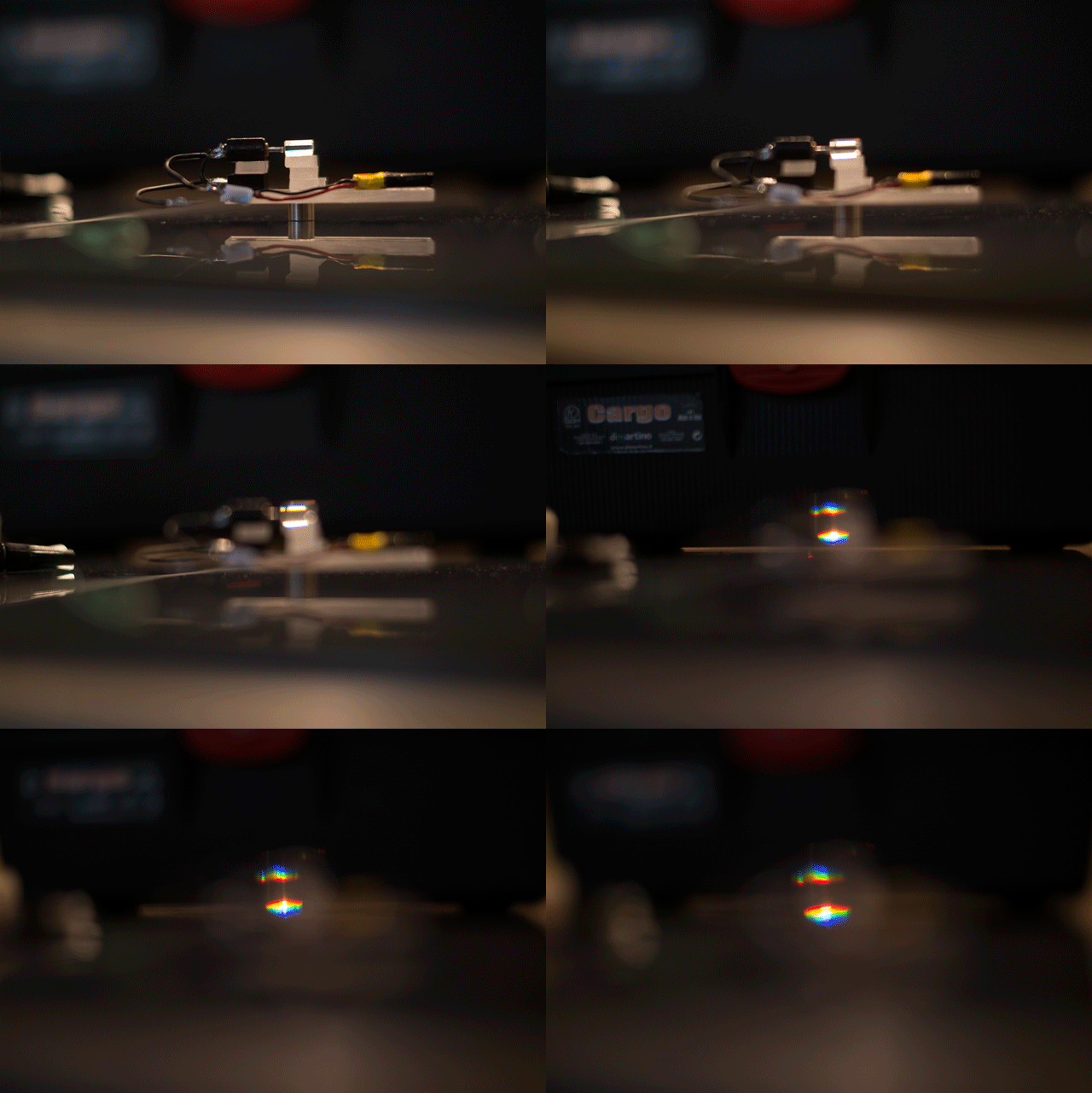
Motivated by the search for a way to artificially reproduce these optical phenomena we finally, after several attempts, came up with an effective modular device:
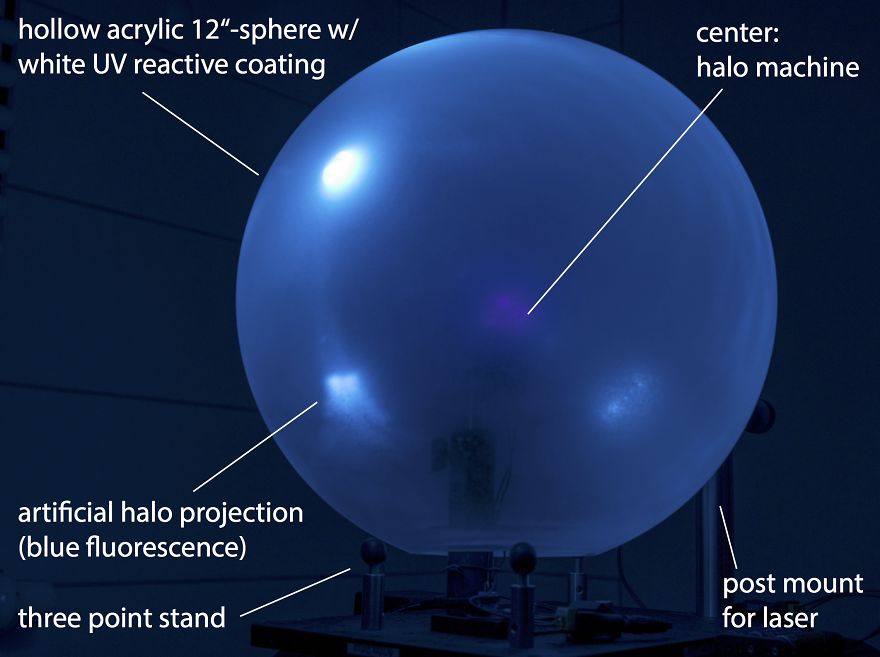
With a little bit of soldering, small DC-motors, LiPo battery packs and small chunks of hexagonal glass rods (used as light homogenization rods in the LED industry, e.g. obtainable through optics suppliers), we spin glass crystals about the appropriate axis. Placing the machines in the center of a custom spherical projection screen, we can now recreated these imposing atmospheric optics phenomena in our living room (http://photonicsdesign.jimdo.com/physics-at-home/)!
The corresponding scientific articles we have written can be found here: http://photonicsdesign.jimdo.com/publications/
General information about halos can be found here:
http://www.atoptics.co.uk/halosim.htm
More info: photonicsdesign.jimdo.com




























 No fees, cancel anytime




2
0