Get Premium
Dark mode theme is available exclusively for premium users. Learn more about the benefits of subscribing.
No fees, cancel anytime.

 Dark Mode Ad-Free Browsing Unlimited Content
 Ad-Free Browsing Unlimited Content Dark Mode
Join 1.2 million Panda readers who get the best art, memes, and fun stories every week!
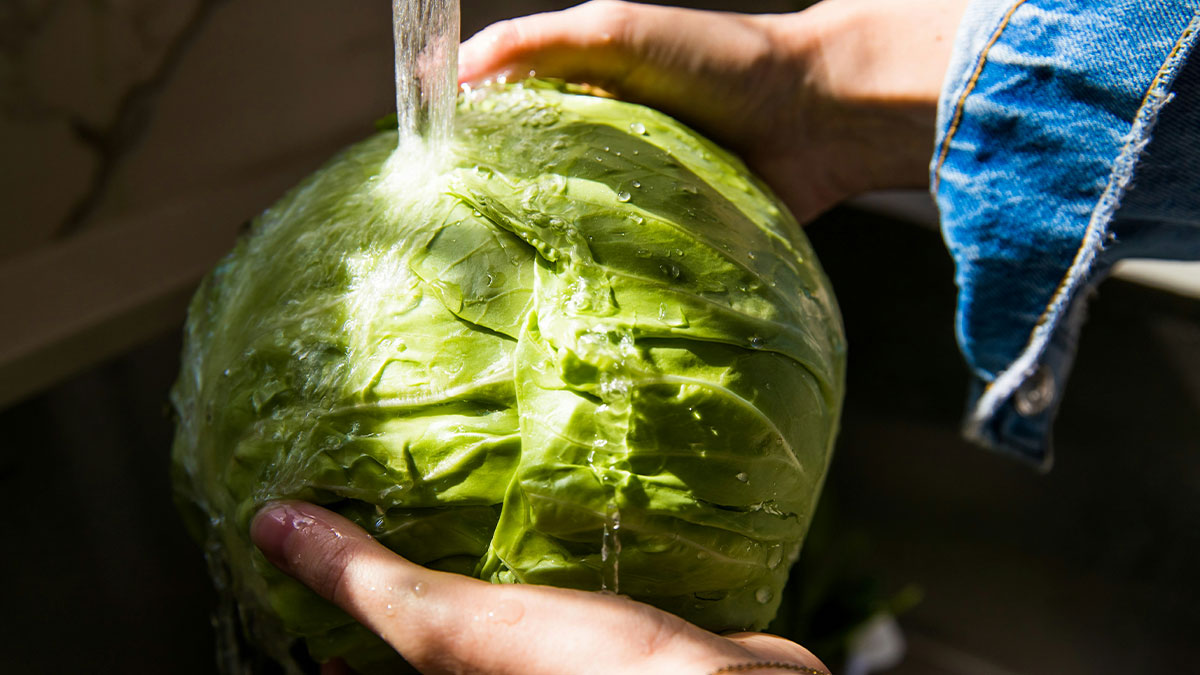
No matter how clean and shiny your fresh produce looks in the store, there’s a good chance it’s crawling with all sorts of bacteria, fungi, and possibly even chemicals. You don’t really know where it’s been or who has touched it (without washing his or her filthy hands) before you. Doesn’t sound too appetizing, does it?
While many people believe a quick rinse does the trick, that’s not actually always the case. You might also be surprised to know that you shouldn’t wash your fruits and vegetables before storing them, as this may promote bacterial growth.
If it all sounds a bit intimidating or confusing, don’t worry. Bored Panda has rounded up some expert advice on how to properly clean fresh produce and protect yourself in the process.
Image credits: Kurman Communications LLC (not the actual photo)
All of us should be eating at least 5 portions of a variety of fruit and vegetables every day. For adults, one portion is 80 grams. For children, the size of a portion depends on their age, body size, and how physically active they are. As a rough guide, one portion is the amount of fruit or veg they can fit in the palm of their hand.
When it comes to fruit, you can opt for fresh, tinned, dried, or frozen, but experts say fresh is always better. An adult portion typically consists of 2 or more small fruits. For example, that can look like 2 plums, 2 satsumas, 2 kiwi fruit, 3 apricots, 6 lychees, 7 strawberries, or 14 cherries..
For medium fruits like apples, bananas, pears, oranges, or nectarines, one fruit is generally equal to one portion. And what about large fruits? According to England’s National Health Service (NHS), a portion is half a grapefruit, 1 slice of papaya, 1 slice of melon, 1 large slice of pineapple, or 2 slices of mango.
The NHS says that for green veg, a portion is 2 broccoli spears, 2 heaped tablespoons of cooked spinach or 4 heaped tablespoons of cooked kale, spring greens or green beans.
If you’re cooking your vegetables, which you often will be, the portions remain the same. “For example, a portion is 3 heaped tablespoons of cooked vegetables, such as carrots, peas or sweetcorn, or 8 cauliflower florets,” notes the NHS site.
Interestingly, potatoes don’t count towards your “5 A Day.” Neither do yams, cassava, nor plantain. That’s because those are classified nutritionally as a starchy food. When eaten as part of a meal, they often replace other sources of starch, like bread, pasta, or rice.
Image credits: Getty Images (not the actual photo)
Most food safety experts agree that we should be washing our fruits and vegetables before eating or serving them.
“It’s not just about dirt; the real concern lies with pathogens—bacteria, viruses, and parasites—that might be clinging to those fruits and vegetables,” warns C.L. Mike Schmidt, an attorney who has handled more than 100 food-safety cases. “These contaminants can lead to foodborne illnesses, some of which can be quite severe.”
This goes for all produce, whether grown at home, bought at the store, or picked up from a farmer’s market.
“In fact, you should even be rinsing the items with thick peels, like oranges, because salmonella can adhere to the peel, and you don’t want to transfer it onto the flesh of your fruit that you’re eating,” says author and USDA-NIFA research fellow at Tufts University Friedman School of Nutrition Science and Policy, Suzannah Gerber.
This doesn’t mean you should go over the top and wash your produce with soap and water. “Fruit is porous and you don’t want it to absorb chemicals,” explains food site Delish.
The site adds that when it comes to produce with a rough outer skin or grooves, like potatoes, avocados, and melons, you should use a stiff-bristled brush to scrub the produce while washing it with water.
Bored Panda has an extensive guide to washing specific fruits and vegetables further down…
Image credits: Getty Images (not the actual photo)
Each year, the Environmental Working Group (EWG) releases a “Shopper’s Guide to Pesticides in Produce.” It ranks fruits and vegetables according to their pesticide residue levels.
In case you’re unaware, pesticides are substances (or mixtures of substances) used to destroy or control pests on produce or crops. Stuff like insects, weeds, fungi, and rodents that could carry disease. While the pesticides are used to protect crops, and in turn us, they can actually be super harmful to human health.
“The chemicals are applied when growing produce or after it is harvested, though many pesticides remain on items when they reach your kitchen,” explains the Food & Wine site.
Research has found that ingesting pesticides may disrupt hormones, affect fertility, reduce ovarian function, and could also increase the risk of breast cancer, type 2 diabetes, and cardiovascular disease.
The EWG’s Clean Fifteen list represents products with the least pesticide residue. While the Dirty Dozen tells us what has the highest. “The EWG Shopper’s Guide evaluated data from pesticide residue tests conducted by the United States Department of Agriculture (USDA) on more than 53,000 samples of 47 fruits and vegetables,” the Food & Wine site notes.
And here’s the kicker: All produce samples were washed for 15 to 20 seconds under running water before being tested. And inedible peels — such as those on citrus and bananas — were removed. Despite this, traces of 256 pesticides were still found on all the tested fruits and vegetables.
In 2025, spinach tested the highest for pesticides, followed by strawberries, kale, collards, and mustard greens. Grapes, peaches, cherries, nectarines, pears, apples, blackberries, blueberries, and potatoes all made it onto the “Dirty Dozen” list this year.
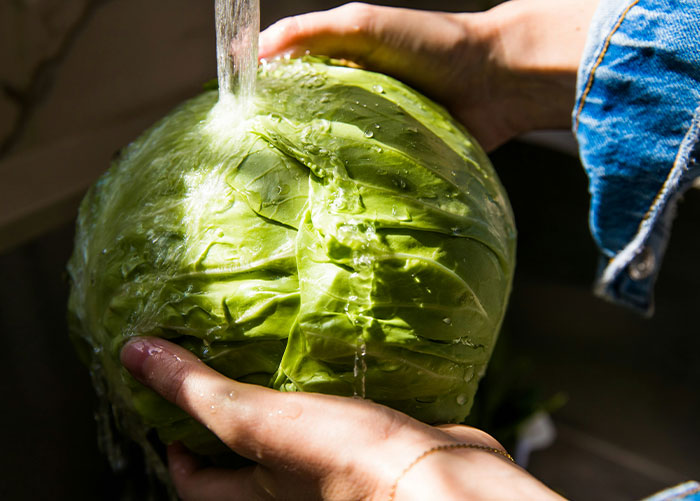
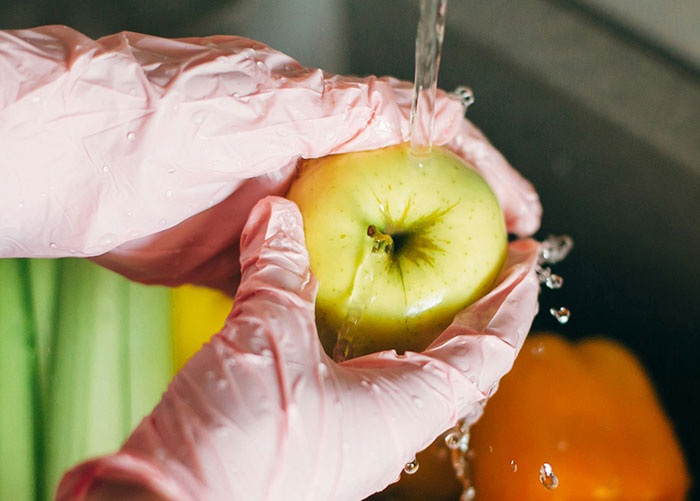
This doesn’t mean that you should avoid eating those 12 fruits and vegetables. Organic produce is proven to have lower levels of pesticide residue. But no matter where you get your produce from, all of it should be thoroughly washed for at least 15 seconds under running water before consuming.
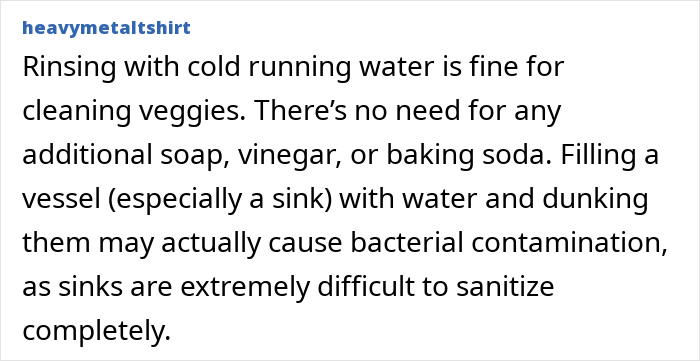
Water does not eliminate all pesticide residue, notes EWG Vice President for Science Alexis Temkin. But it does significantly decrease the amount of pesticides while also removing dirt, debris, and potentially harmful bacteria.
Image credits: Chris Martin (not the actual photo)
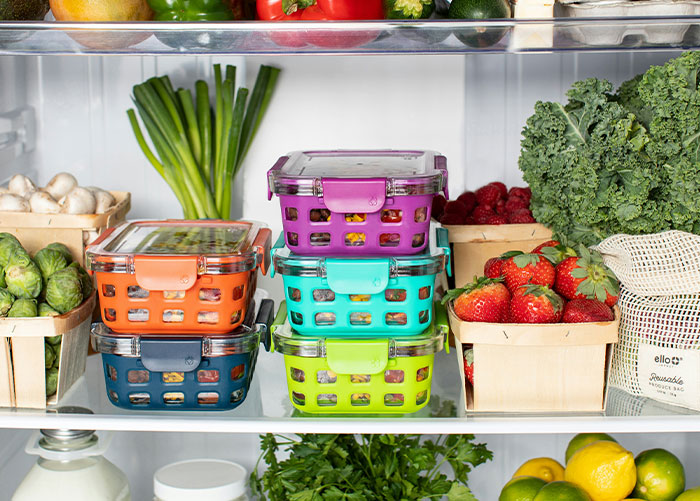
“Washing produce before storing may promote bacterial growth and speed up spoilage, so it is often recommended
to wait and wash fruits and vegetables just before use,” cautions Colorado State University’s Guide To Washing Fresh Produce.”
It adds that generally, soil has been removed from fresh produce, but if you still choose to wash before storing, “dry thoroughly with clean paper towels before storing.”
Ashley Keyes, a health advocate and the executive chef of the C.H.O.I.C.E.S., a healthy food organization in Atlanta, Georgia, agrees.
“One common mistake is washing produce too far in advance, which can cause some fruits and vegetables to spoil faster. It’s best to wash produce just before eating or cooking it,” she says.
Some people swear by pre-made fruit and vegetable washes that they buy in stores or online. But how effective and safe are these really?
“Chemical rinses and other treatments for washing raw produce, usually called fruit and vegetable washes, are often advertised as the best way to keep fresh fruits and vegetables safe in the home,” notes the Colorado State University guide. “The FDA advises against using commercial produce washes because the safety of their residues has not been evaluated, and their effectiveness has not been tested or standardized.”
The guide adds that you should not wash fruits and vegetables with detergent or bleach solutions. “Many types of fresh produce are porous and could absorb these chemicals, changing their safety and taste,” it explains.
Image credits: Ello (not the actual photo)
When it comes to leafy greens, Keyes advises rinsing them under cold running water and separating the leaves to remove dirt and bacteria.
“For tougher greens like kale, soak them in a water bowl for a few minutes, then rinse,” she says. After washing leafy greens, you should blot them dry with paper towels or use a salad spinner to remove excess moisture.
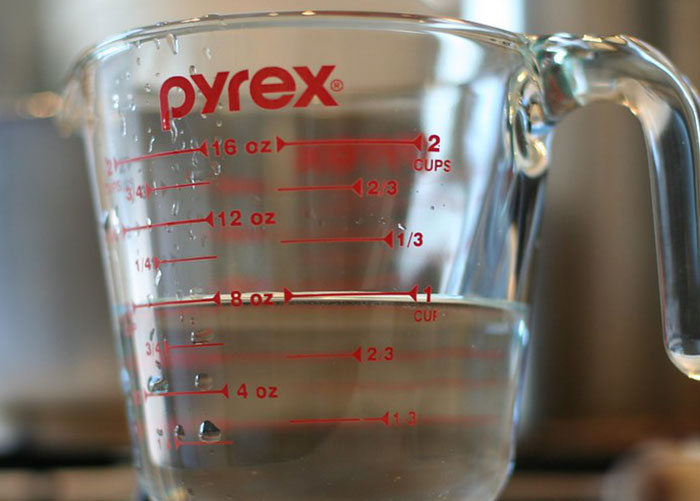
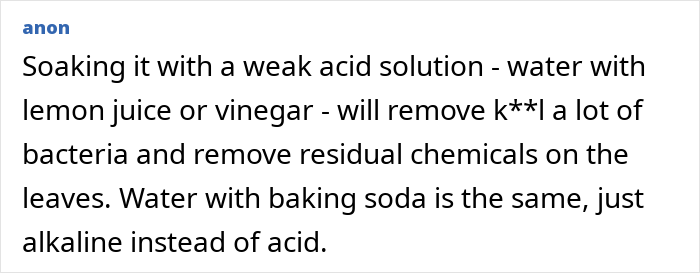
“Adding vinegar to the water (1/2 cup distilled white vinegar per 1 cup water), followed by a clean water rinse, has been shown to reduce bacterial contamination but may affect texture and taste,” adds the Colorado State University’s guide.
Berries can be gently rinsed under cold water just before eating. “Store unwashed until ready to use, but separate and discard spoiled or moldy fruit before storing to prevent the spread of spoilage organisms,” suggests Colorado University. Don’t soak them, or they can become waterlogged and lose flavor and/or texture.
You can wash peaches, plums, and other soft fruits under running water and dry them with a paper towel. But apples, cucumbers, and other firm produce need to be washed thoroughly, or peeled, to remove waxy preservatives.
Keyes says that for fruits with thick skins, like melons, you should scrub the surface before cutting to prevent bacteria from transferring from the skin to the flesh.
“The rough, netted surfaces of some types of melon provide an excellent environment for microorganisms that can be transferred to the interior surfaces during cutting,” explains the university’s site. “To minimize the risk of cross-contamination, use a vegetable brush and wash melons thoroughly under running water before peeling or slicing.”
Potatoes, carrots, turnips, and other root vegetables should be peeled. Otherwise, clean them well with a firm scrub brush under lukewarm running water.
For mushrooms, clean with a soft brush or wipe with a wet paper towel to remove dirt.
Rinse herbs by dipping and swishing them in a bowl of cool water, then dry with a paper towel.

By entering your email and clicking Subscribe, you're agreeing to let us send you customized marketing messages about us and our advertising partners. You are also agreeing to our Privacy Policy.
Thank you! You've successfully subscribed to newsletters!


I'm so glad I live in countries that don't have widespread problems like these

I have heard of the concept of washing veg, but never realised that in some places it's apparently, if I'm to believe this article, quite common for vegetables to have been exposed to all sorts of nasty stuff between harvesting and shelf. I'm actually quite shocked. But no, I'm not going to start washing veg as a result of this.
Load More Replies...
Tired of throwing away overripe fresh fruit, I took to eating dried fruit. I've asked several nutritionists and Google it every few years. The answer has always been that the only thing lost in the fruit drying process is water. It's a good thing because dried fruit is both a favorite snack and my dessert many evenings.

Maybe buy, just 1-2 pieces of that fruit, and not 1-2 kg .....
Load More Replies...
We used to wash veg in Milton when we were in countries where you didn't drink the water from the tap. I just rinse off visible dirt and wildlife. I'd probably be a bit fussier these days if I had children.
I'm so glad I live in countries that don't have widespread problems like these
I have heard of the concept of washing veg, but never realised that in some places it's apparently, if I'm to believe this article, quite common for vegetables to have been exposed to all sorts of nasty stuff between harvesting and shelf. I'm actually quite shocked. But no, I'm not going to start washing veg as a result of this.
Load More Replies... Tired of throwing away overripe fresh fruit, I took to eating dried fruit. I've asked several nutritionists and Google it every few years. The answer has always been that the only thing lost in the fruit drying process is water. It's a good thing because dried fruit is both a favorite snack and my dessert many evenings.
Maybe buy, just 1-2 pieces of that fruit, and not 1-2 kg .....
Load More Replies... We used to wash veg in Milton when we were in countries where you didn't drink the water from the tap. I just rinse off visible dirt and wildlife. I'd probably be a bit fussier these days if I had children.







































 No fees, cancel anytime
 then open in external browser


 and click "Open in External Browser"






















8
10