Get Premium
Dark mode theme is available exclusively for premium users. Learn more about the benefits of subscribing.
No fees, cancel anytime.

 Dark Mode Ad-Free Browsing Unlimited Content
 Ad-Free Browsing Unlimited Content Dark Mode
Join 1.2 million Panda readers who get the best art, memes, and fun stories every week!
26submissions
Finished
People around the world are suspicious about the information that reaches them. For example, the 32% of Americans who say they trust the mass media "a great deal" or "a fair amount" to cover the news fully and accurately ties Gallup's lowest historical reading, previously recorded in 2016.
Another 29% of American adults have "not very much" trust, while a record-high 39% register "none at all." The latest figure is the highest in Gallup's five-decade history of tracking these metrics by one percentage point and 12 points higher than the 2016 number, which came amid sharp criticism of the media from then-presidential candidate Donald Trump, making the current assessment the grimmest we've seen.
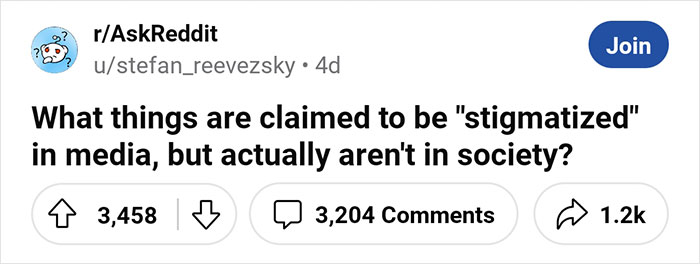
Image credits: stefan_reevezsky
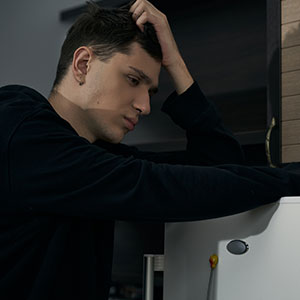
However, many believe the situation isn't that much better even if we take a step away from reporting. Last week, Reddit user Stefan_Reevezsky asked others on the platform "What things are claimed to be 'stigmatized' in [the] media, but actually aren't in society?" and folks have thought of plenty.
This post may include affiliate links.
 Boomers, hands down
The vast majority of boomers are sweet elderly people who are nice to talk to. Not racist caricatures that spout nonsense all the time.
Boomers, hands down
The vast majority of boomers are sweet elderly people who are nice to talk to. Not racist caricatures that spout nonsense all the time.
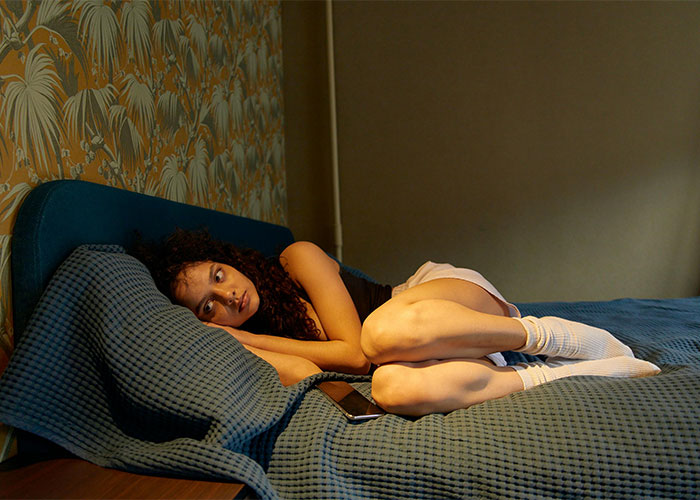 Maybe wanting to stay single. Media portrays it as a desperate cry for love, but in reality, it's pretty liberating!
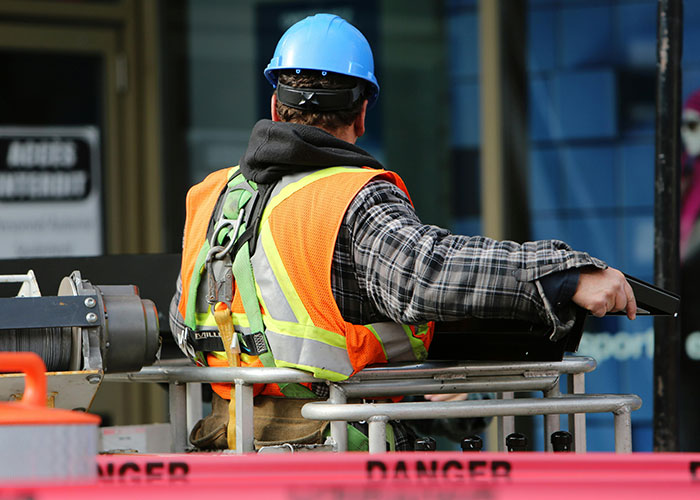 Blue-collared jobs sometimes are looked down upon in media, but in reality, skilled trades are often in high demand and well-respected.
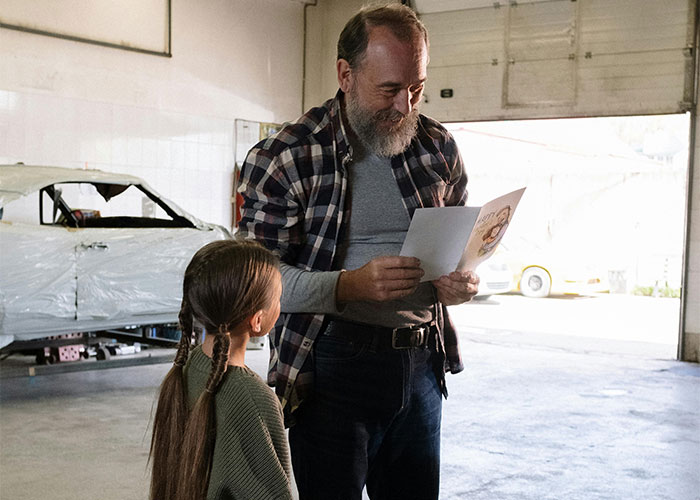 Slightly niche perhaps, but my kids always had trouble buying Fathers Day cards for me because I didn't spend my evenings down the pub, fish or play golf.
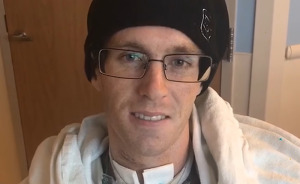
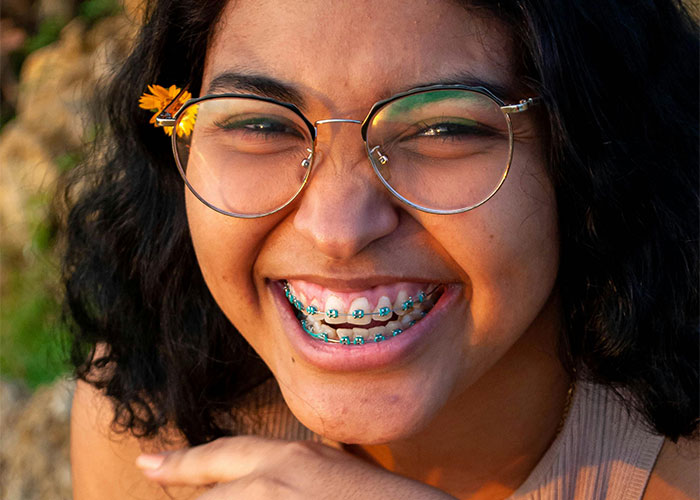 I have to say wearing glasses and having braces. No one called me four eyes. No one called me tinsel teeth. Believe me, I was made fun of as a kid, but those weren’t the reasons.
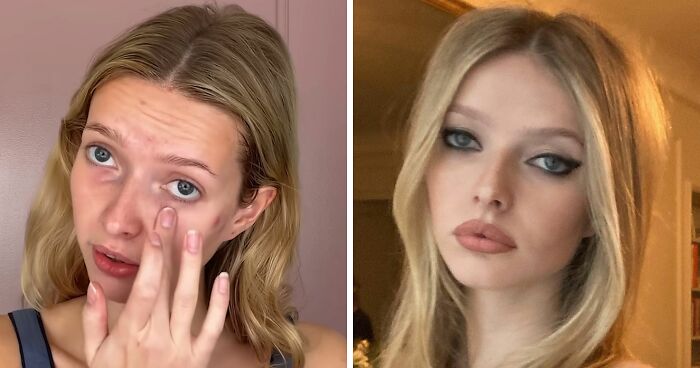
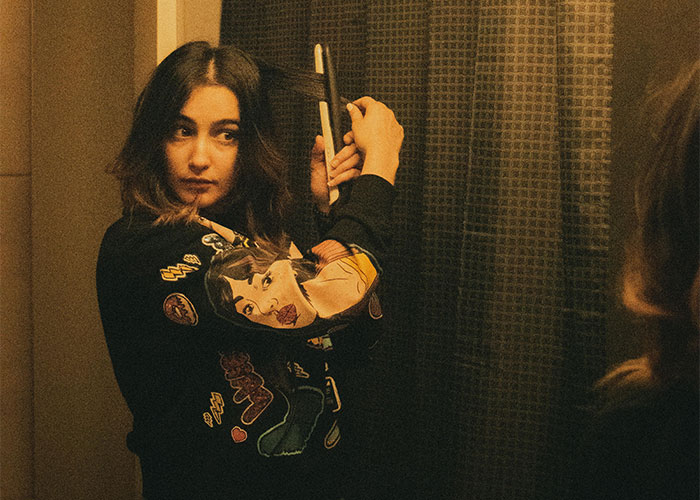 Not wearing makeup. The media and Internet are full of all the pressure to wear makeup but I work with HUNDREDS of women and maybe a third of us sometimes wear lipstick or eyeliner? I can count on one hand the ones who wear foundation. Nobody says anything. Even the college president was barefaced giving a plenary speech and at commencement. There's no stigma for me wearing some color when I feel like it either. It's just not relevant to anyone's interests.
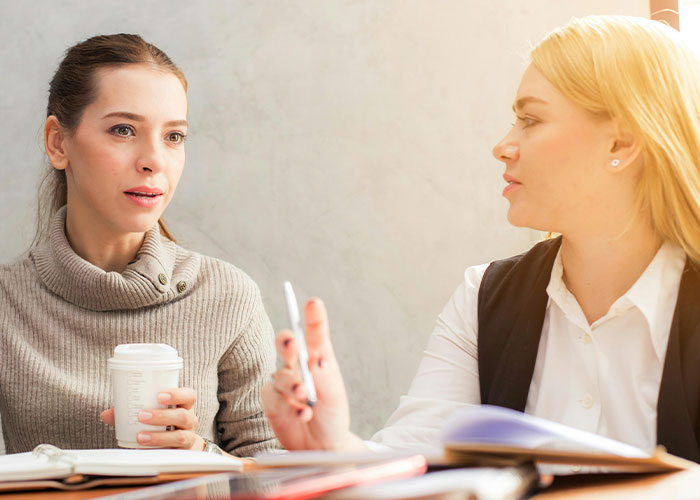 Karens. Hear me out!! It went from being a thing of recording and judging actually rude and often racist women who complain just to complain. But as more videos popped up, people are recording and sensationalizing situations where if you were in her shoes, you'd be mad too! Karen isn't synonymous with "old lady you find annoying".
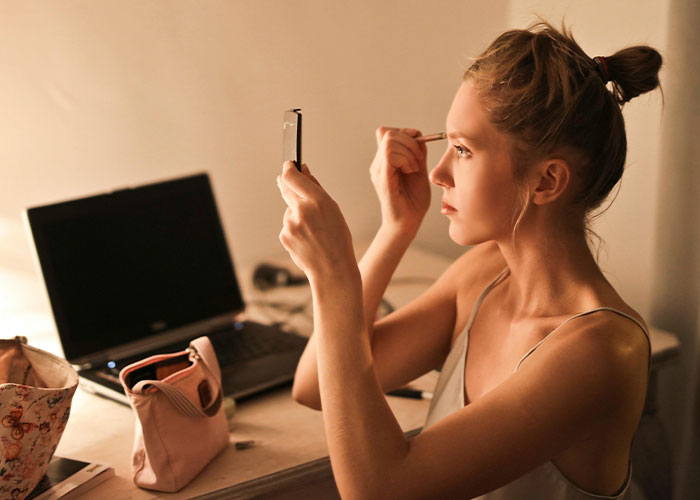 Being Average looking, it seems like social media loves to see *supermodel like people* and forget that most of the public is average and or unattractive sometimes, and that's alright. I like that there are more people on social media that are vocalizing this issue and letting us know that normal is ok, Flawed is ok. ( No shade to attractive people, they're beautiful and everyone loves to look at them but my point is they are not the only ones that exist).
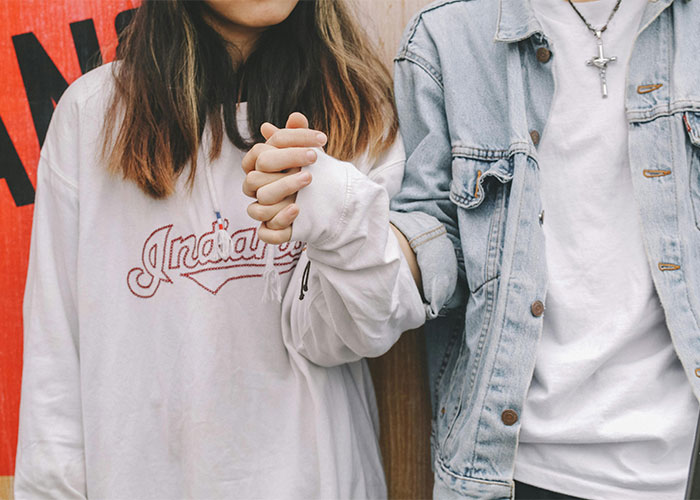 Couples with very different attractiveness. Happens all the time irl and nobody actually says stuff.
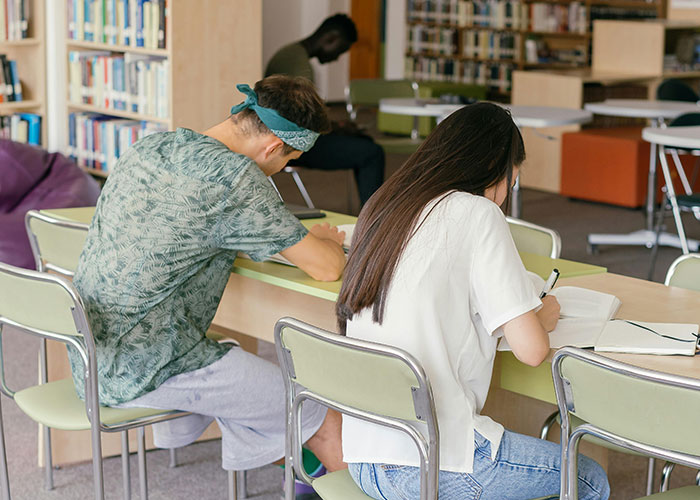 Going to college when you're older..theres tins of adults over 35 trying to reinvent themselves..theres even an old guy who made school a lifelong career.
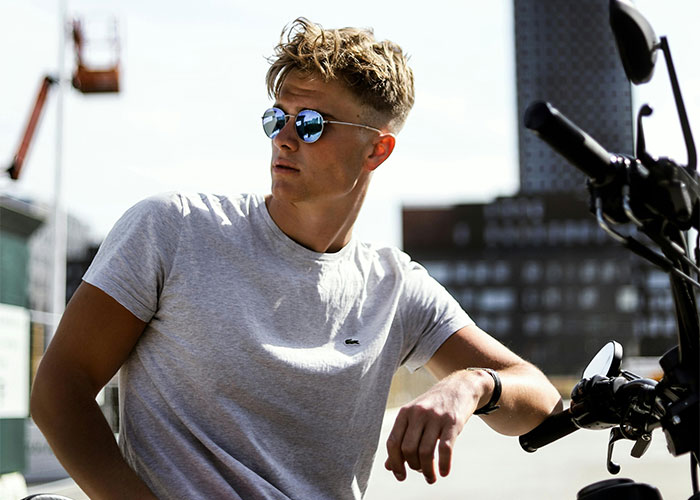 Being short (as a man). Especially online, people have made such a mountain out of this particular molehill over the last few years. I've never met a woman who strictly dates men 6' and up, and my short mates get plenty of action.
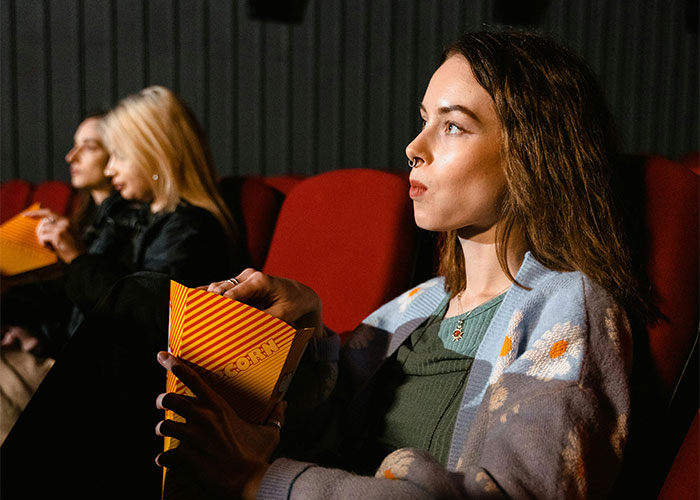 There are a lot of posts here saying "Normalize eating out/getting coffee/seeing a movie alone."
Seriously, no one cares. Do those things, they are normal.
There are a lot of posts here saying "Normalize eating out/getting coffee/seeing a movie alone."
Seriously, no one cares. Do those things, they are normal.
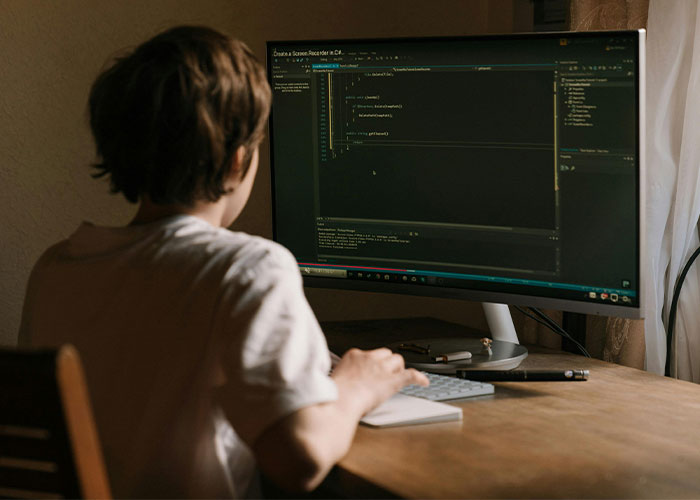 Being a nerd. Yeah nerdiness might get you bullied in school depending, but a lot of nerd culture has just become part of...well, culture. I find this most annoying with elder millennials who still act like they're some sort of oppressed elite because the dare to like Mario.
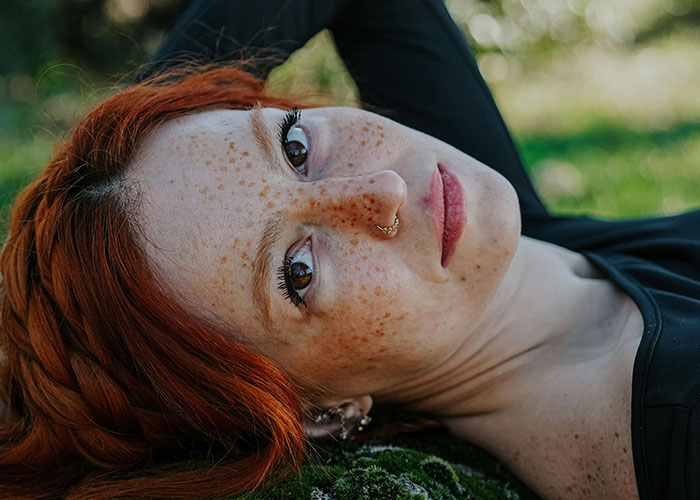 Having freckles. When the fake freckles makeup trend was taking off, tons of people came out of the woodwork to complain about how “unfair” it was that they got teased for having freckles and now it’s a trend. I’m sorry, but unless you were physically and socially perfect in the eyes of your peers in elementary school, you probably got bullied for something arbitrary. For me, it was my big ears. I’m not going to sit here and whine about people stretching their ears and making them bigger. It’s such a fake problem.
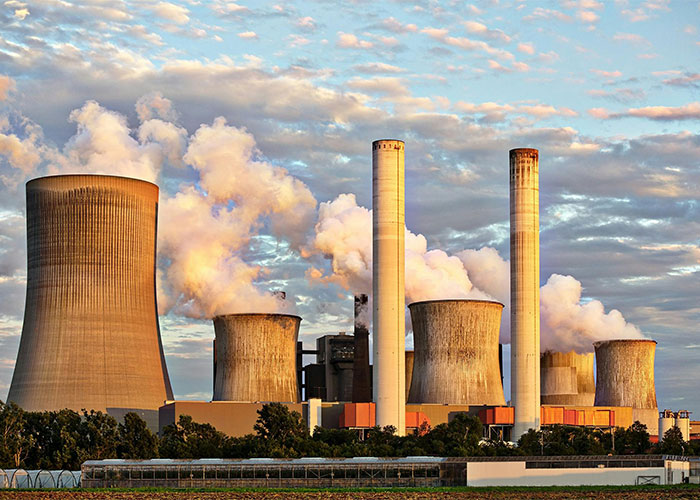 Nuclear power has been stigmatized by the environmentalists and now guess what… it appears to be reliable, very cost effective and to date the safest form of energy.
 Not wanting to have kids. Besides direct family members(which I mean, kinda makes sense why your parents and grandparents might want you to have kids of your own), it seems like the stigma of not wanting kids is extremely overblown. I tend to see WAY more posts and media about people feeling special/rebellious for not wanting kids than I ever see for others demanding that people have children outside of fringe alt-right types, and they tend to only want "certain people" to have more kids.
The "no kids forever" crowd seem to be like inverted vegans, they actually do bring it up all the time and act as if they are hated for their choice when in reality the vast majority of people don't care or see the benefits of said choice.
Not wanting to have kids. Besides direct family members(which I mean, kinda makes sense why your parents and grandparents might want you to have kids of your own), it seems like the stigma of not wanting kids is extremely overblown. I tend to see WAY more posts and media about people feeling special/rebellious for not wanting kids than I ever see for others demanding that people have children outside of fringe alt-right types, and they tend to only want "certain people" to have more kids.
The "no kids forever" crowd seem to be like inverted vegans, they actually do bring it up all the time and act as if they are hated for their choice when in reality the vast majority of people don't care or see the benefits of said choice.
 Discussing mental illness. "X illness is taboo to talk about. We need to talk more about X." It isn't taboo and in fact it's now trendy to wear your particular flair of mental illness with pride.
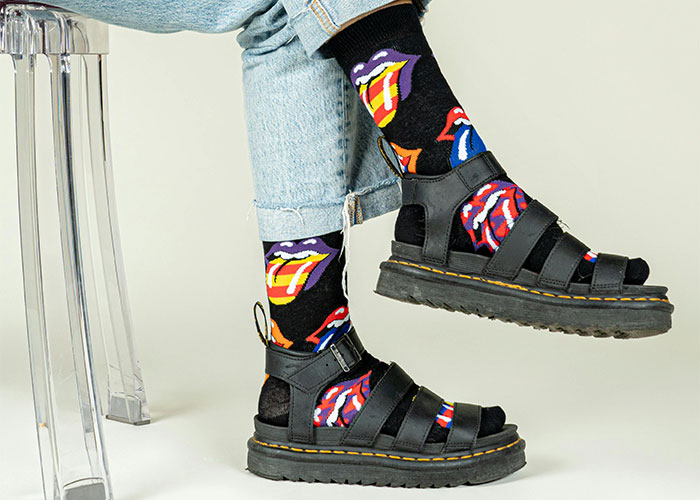 Wearing socks with sandals—media might mock it, but let's be real, comfort is always in style, even if it's not runway-ready!
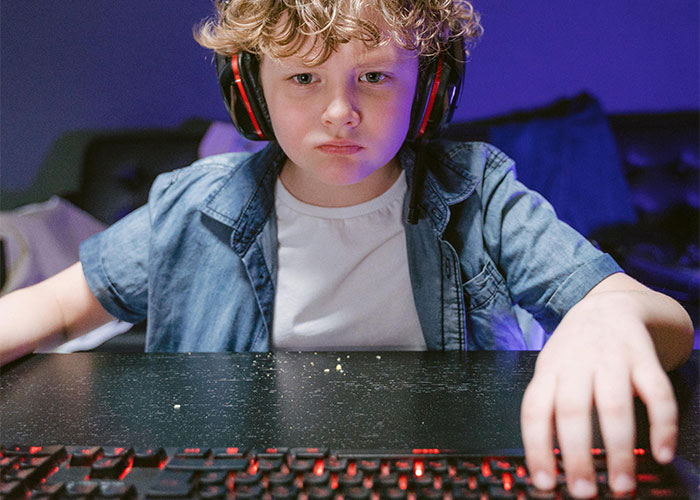 Media acts like the internet is just cyberbullying, predators, scams, and dangerous/illegal Tik Tok trends. They also act like a 12yo playing GTA is suddenly gonna want to actually steal cars and shoot people.
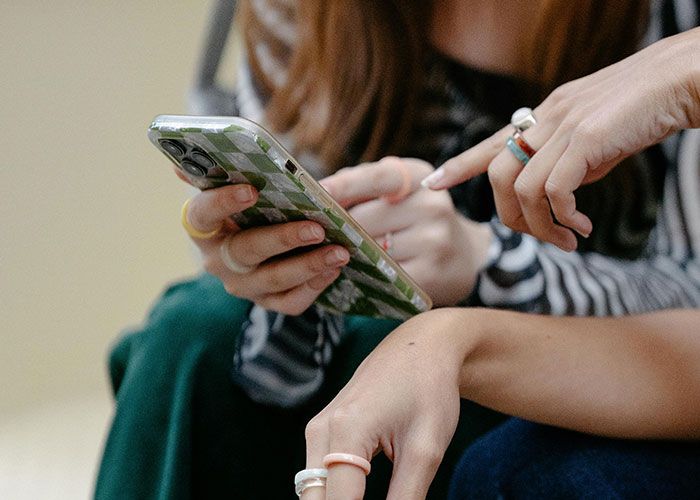 Everything.
The media likes to blow things well out of proportion to get a good story for people to follow and talk about.
Most of the time, it's because of the media that many big problems are as "big" as they are.
Everything.
The media likes to blow things well out of proportion to get a good story for people to follow and talk about.
Most of the time, it's because of the media that many big problems are as "big" as they are.
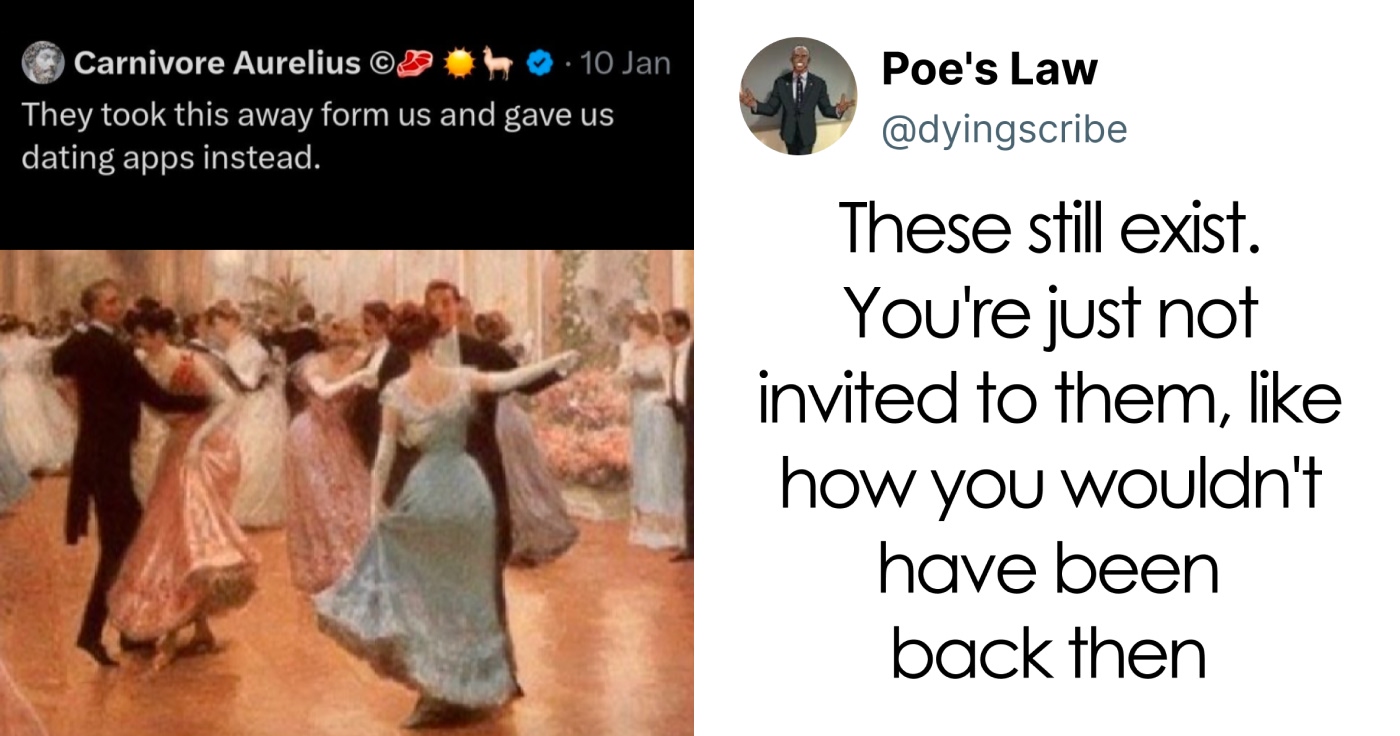
 No fees, cancel anytime