Get Premium
Dark mode theme is available exclusively for premium users. Learn more about the benefits of subscribing.
No fees, cancel anytime.

 Dark Mode Ad-Free Browsing Unlimited Content
 Ad-Free Browsing Unlimited Content Dark Mode
Join 1.2 million Panda readers who get the best art, memes, and fun stories every week!
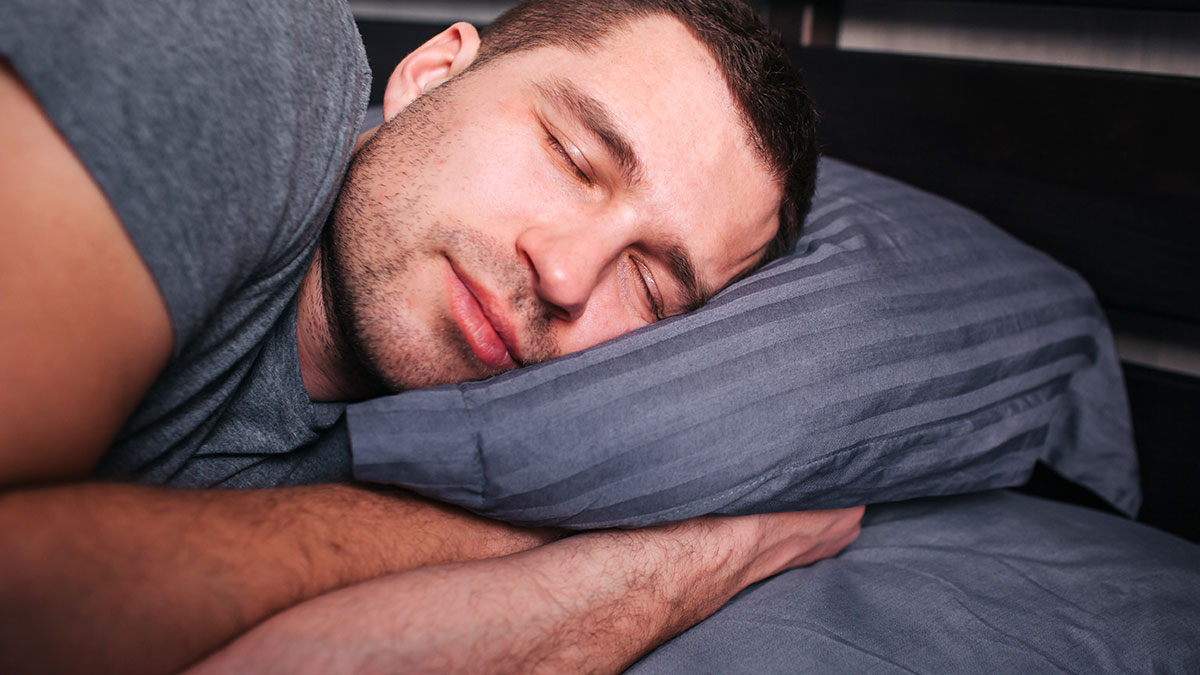
We all have the same 24 hours in a day, right? Well not actually. Some people suffer from a rare, debilitating disorder that has them living in a nightmare where days and nights just can't peacefully co-exist.
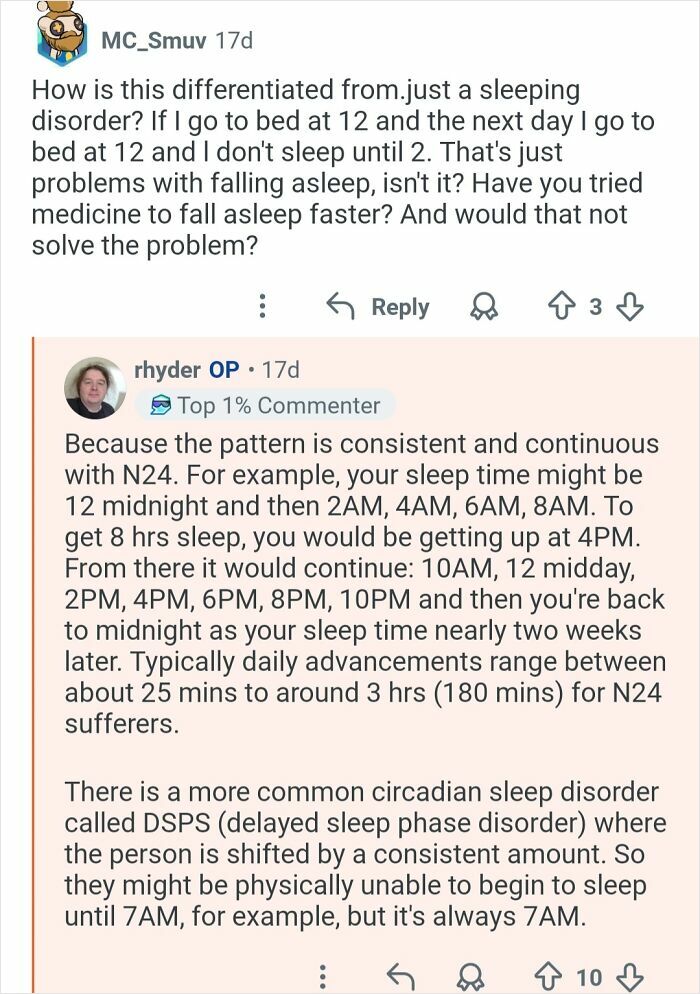
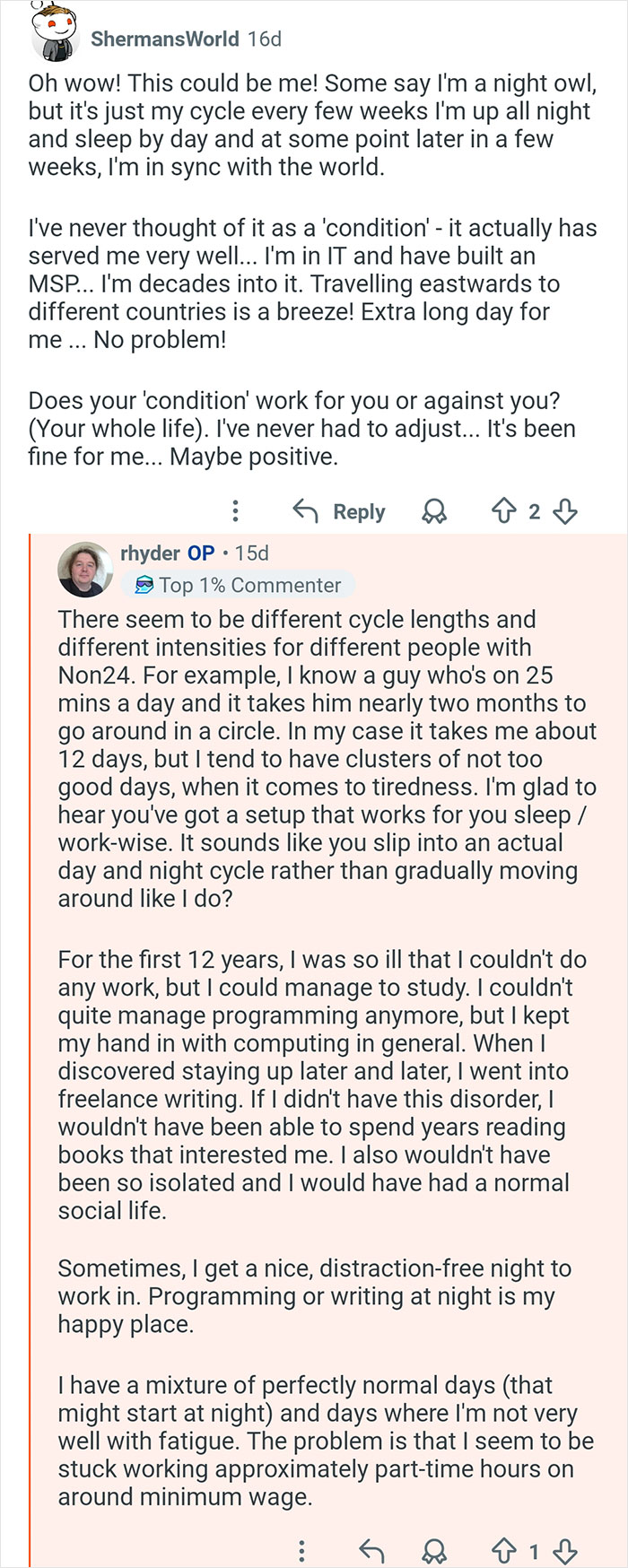
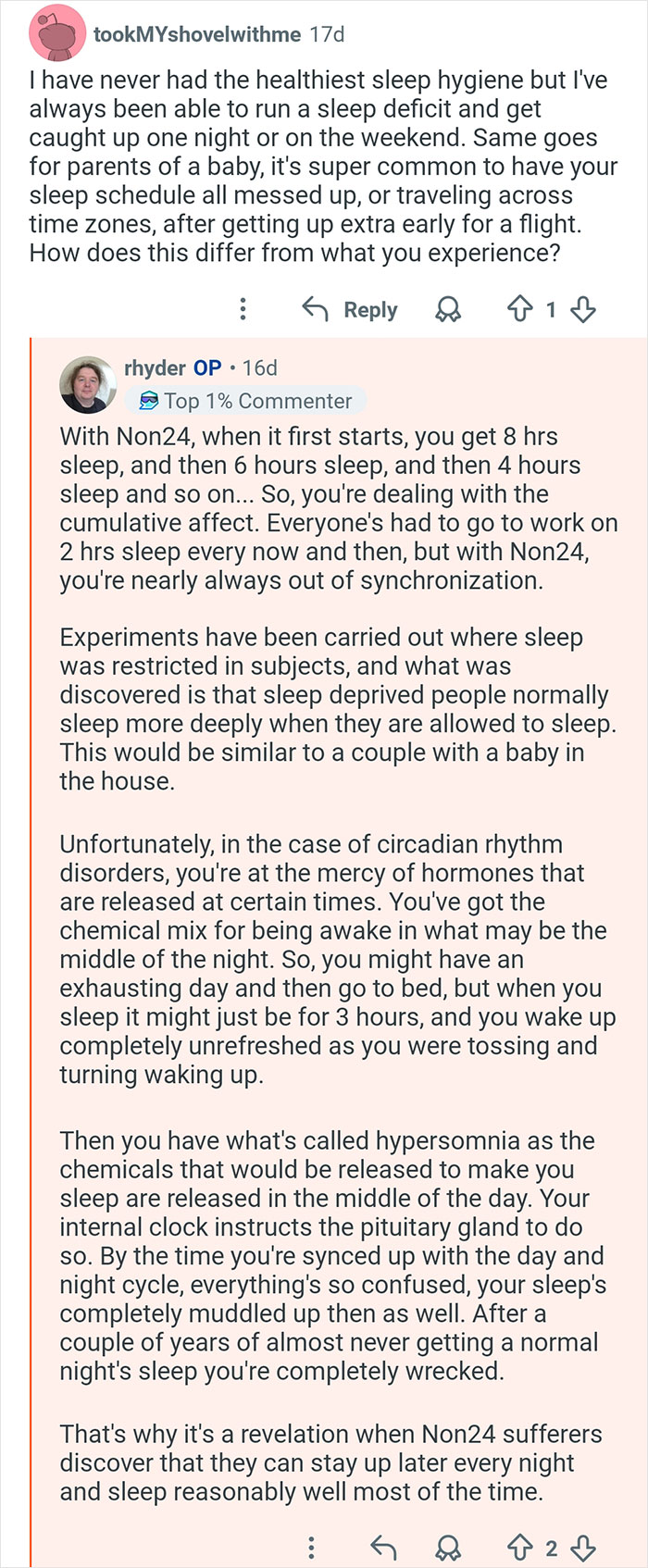
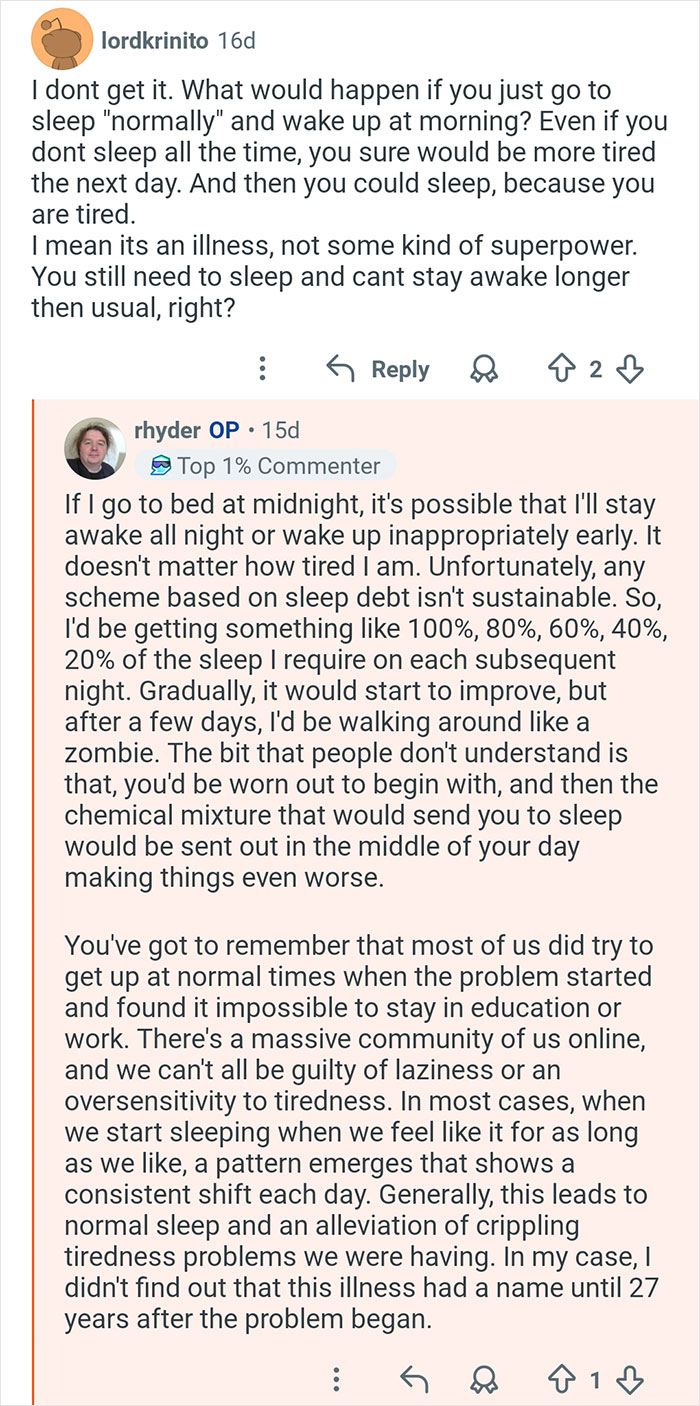
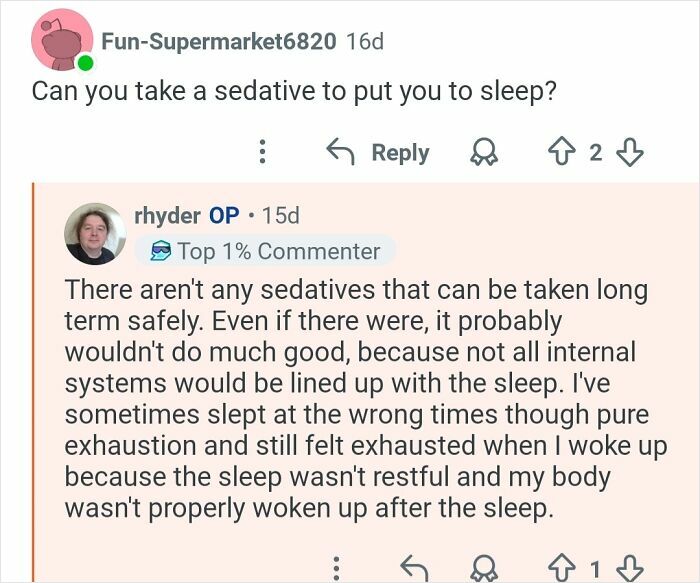
Non-24-hour sleep-wake disorder (N24) is a circadian rhythm sleep disorder that causes someone's biological clock to go against the grain. Unlike most of us, those with N24 can't synchronize to a "normal" 24-hour day. They go to sleep later and later each night or day, often leaving them out of touch with the outside world.
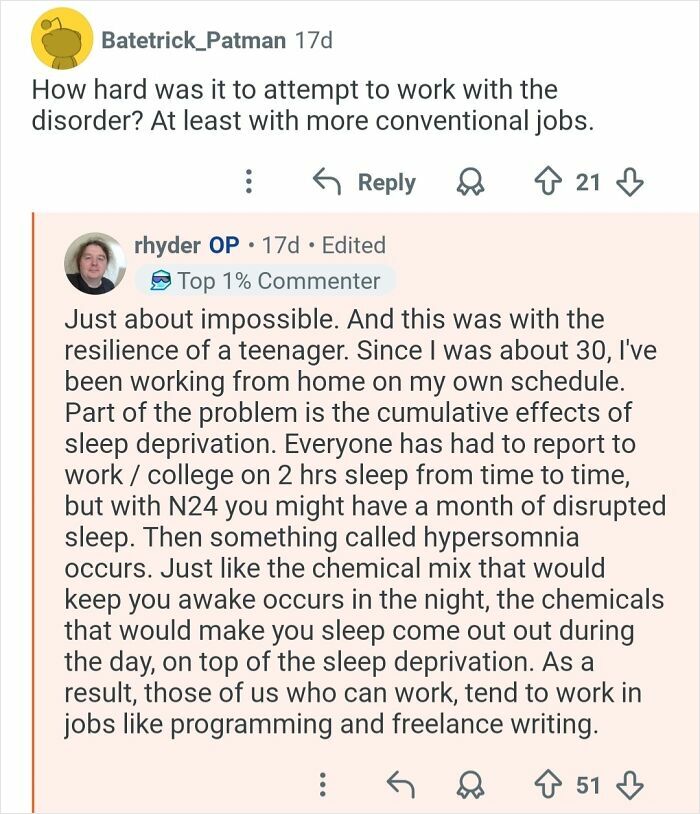
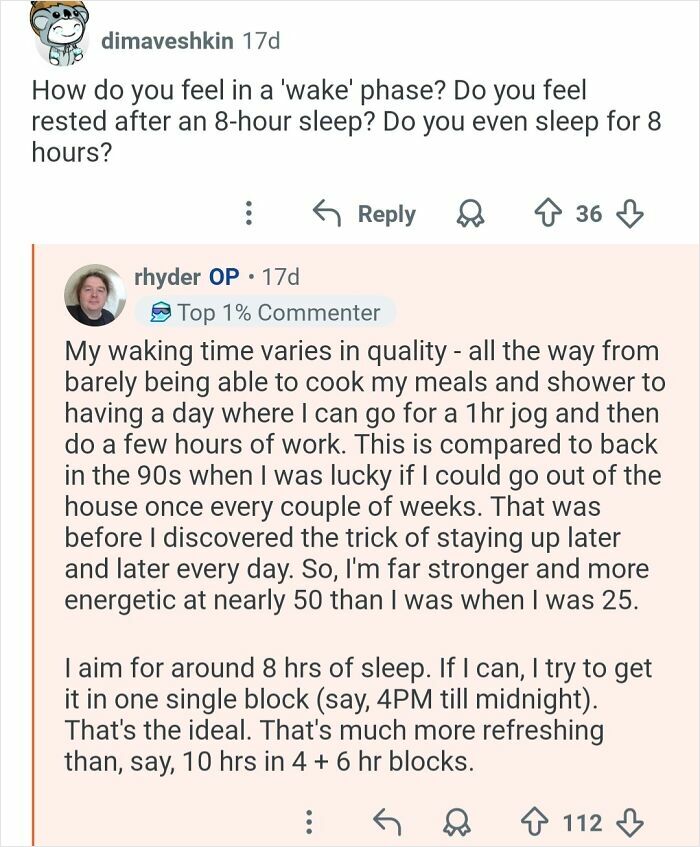
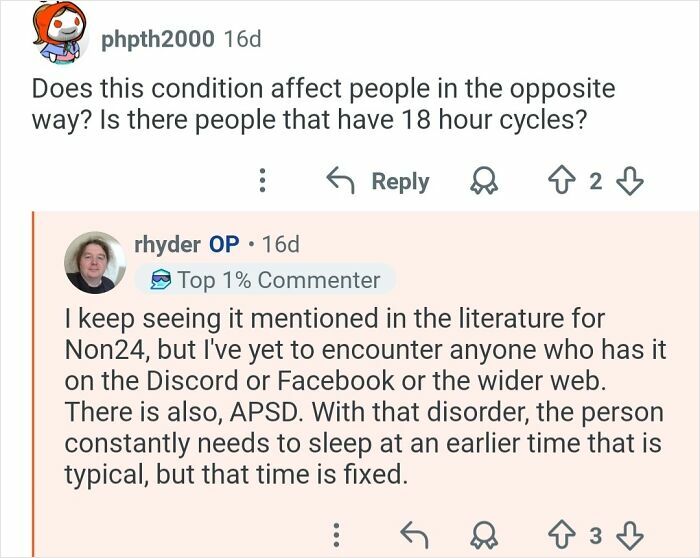
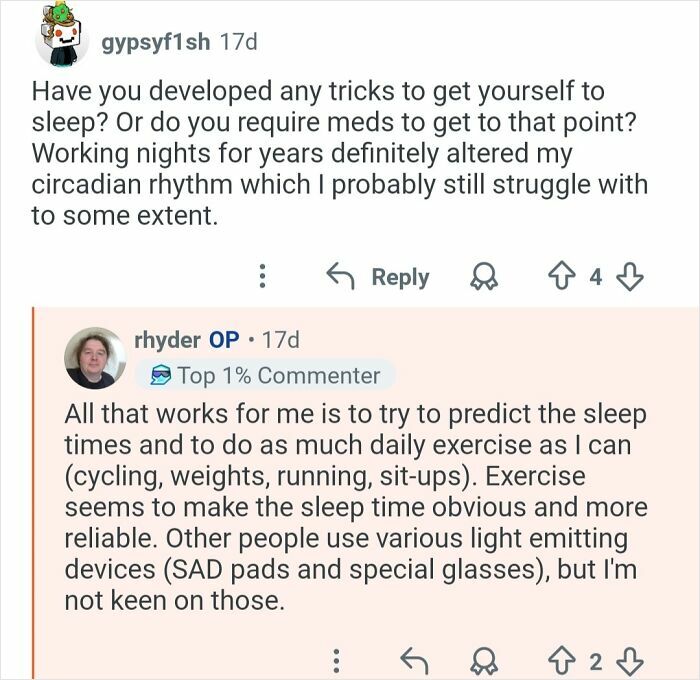
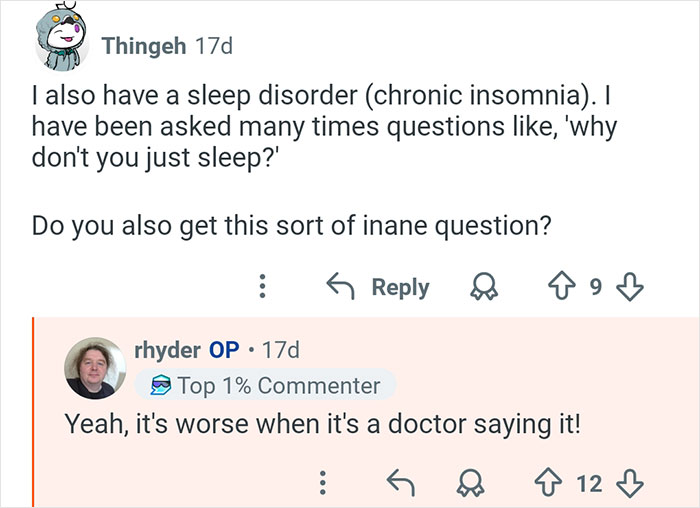
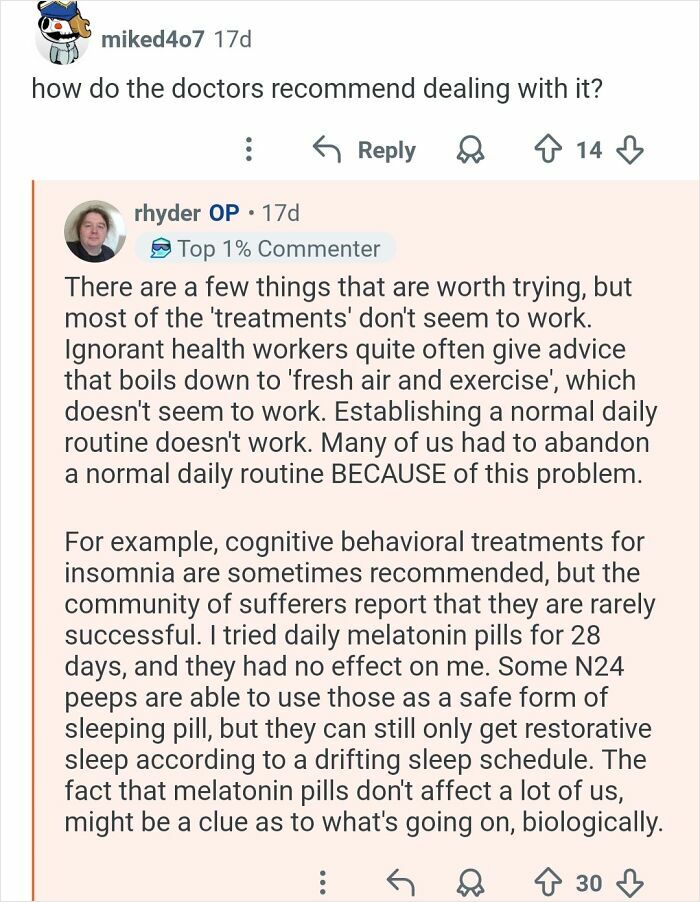
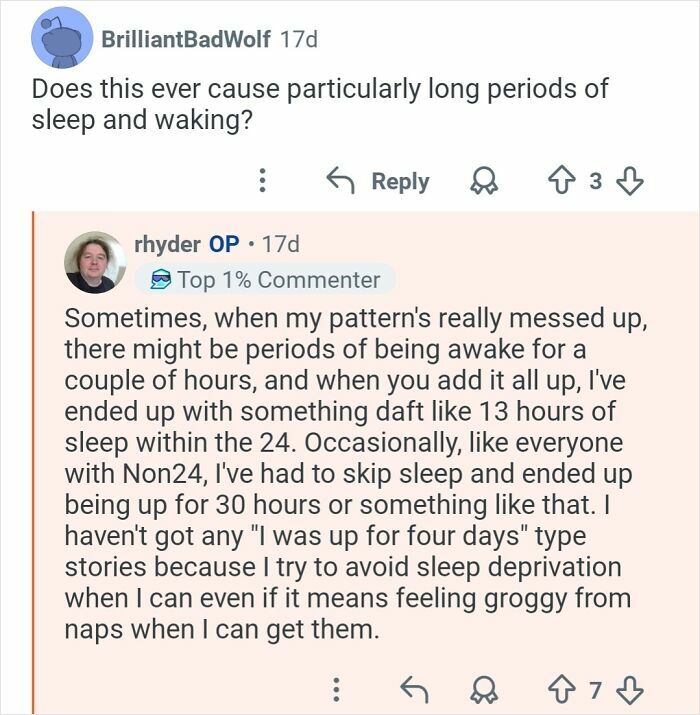
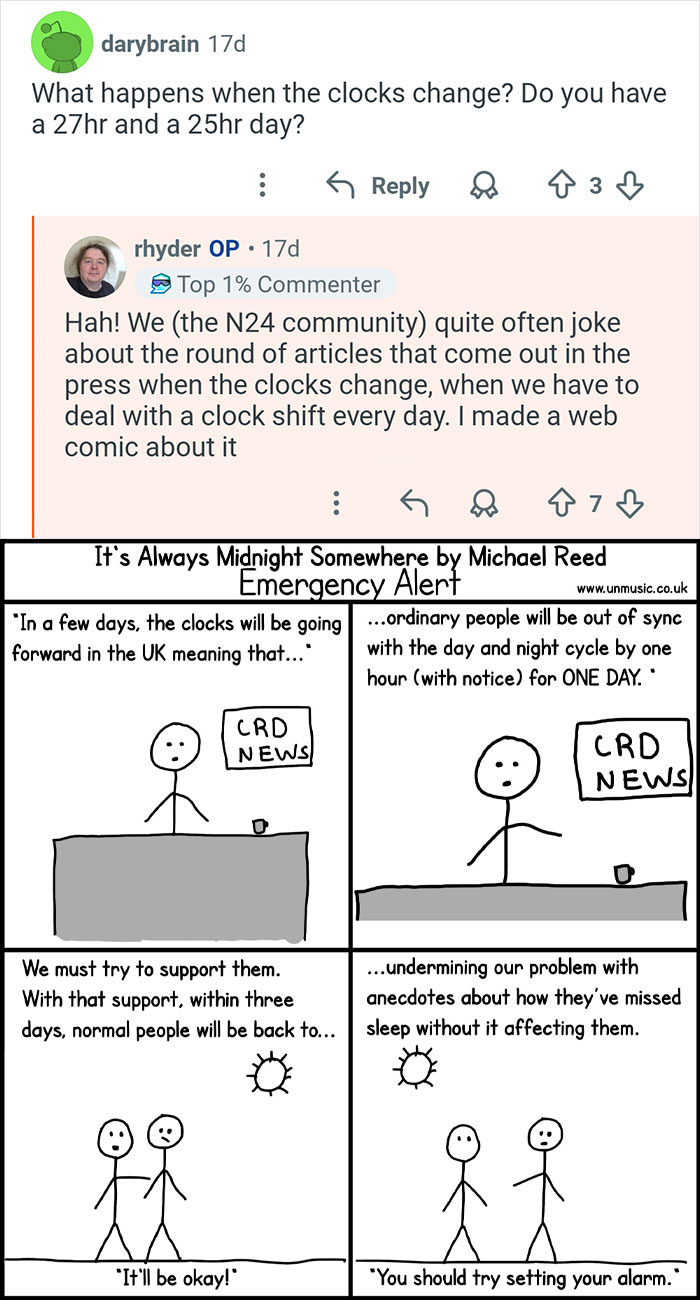
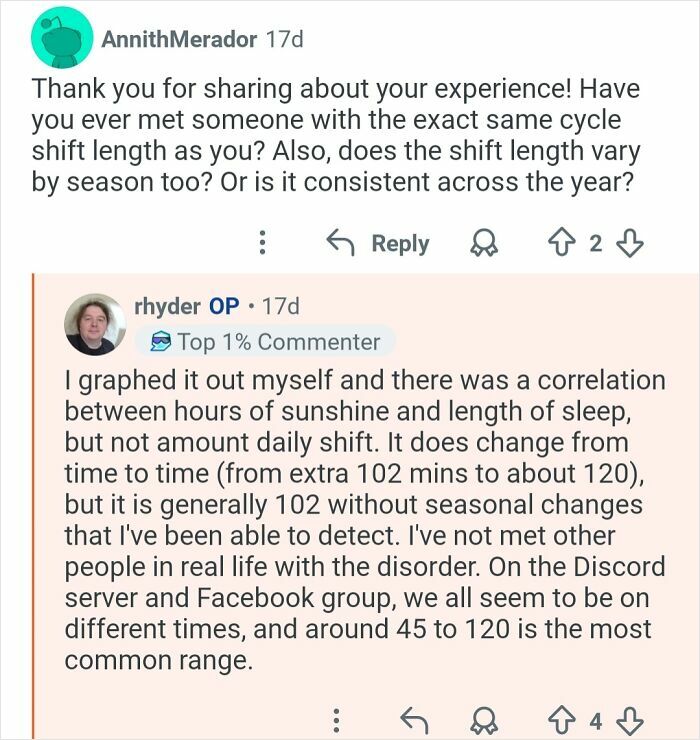
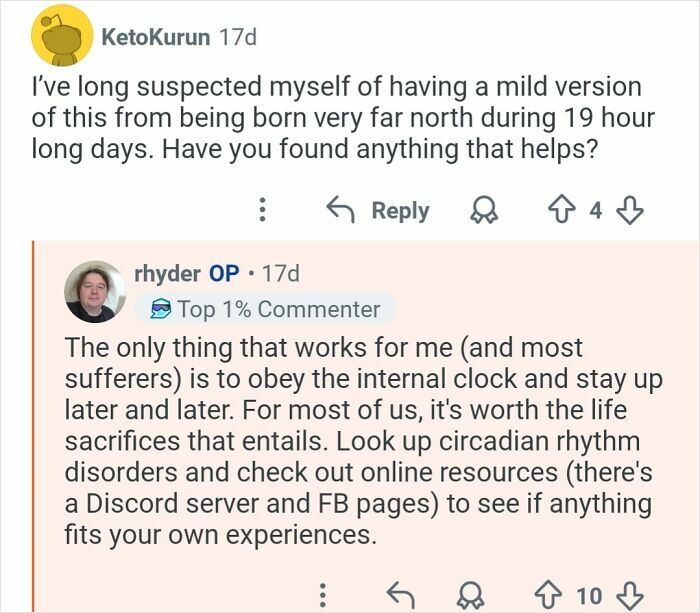
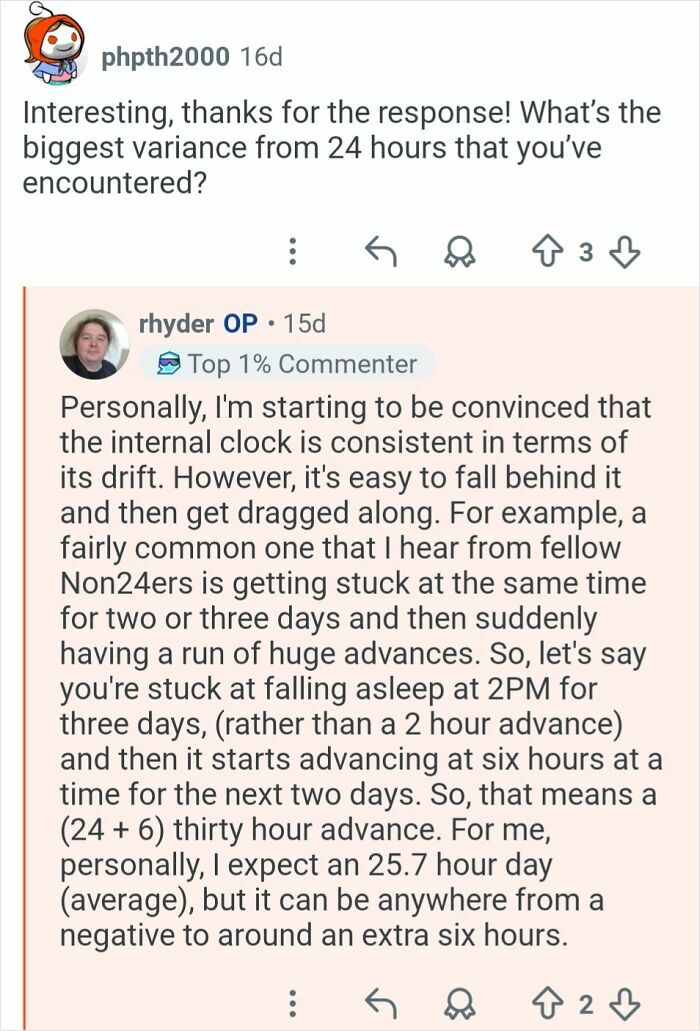
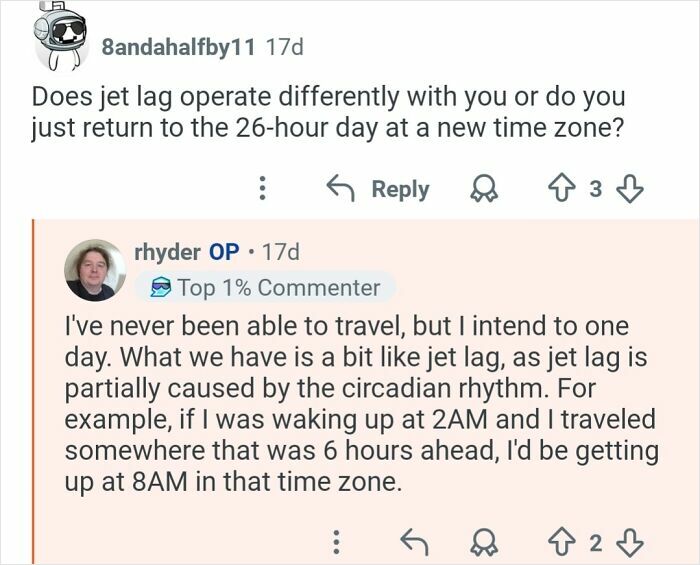
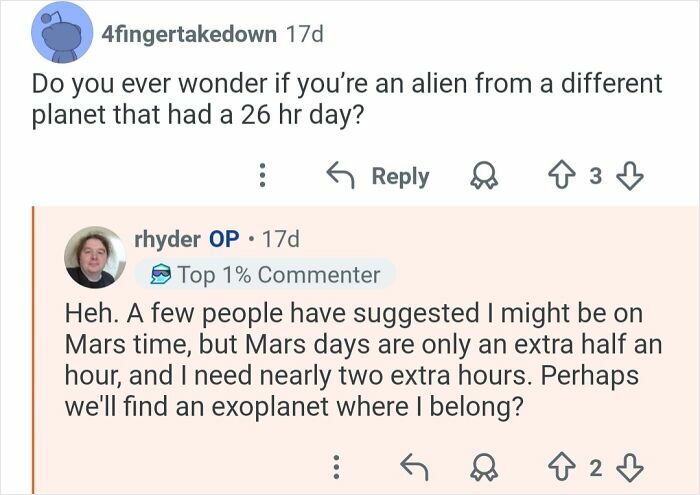
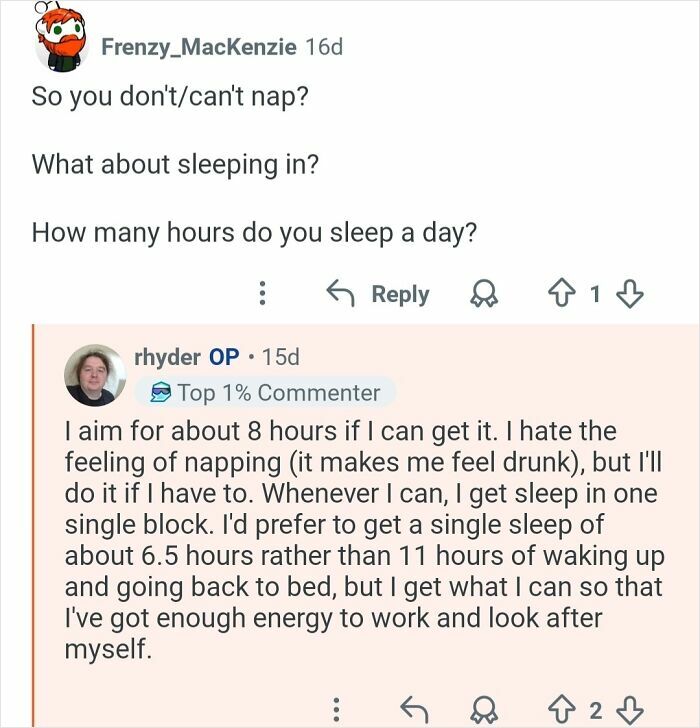
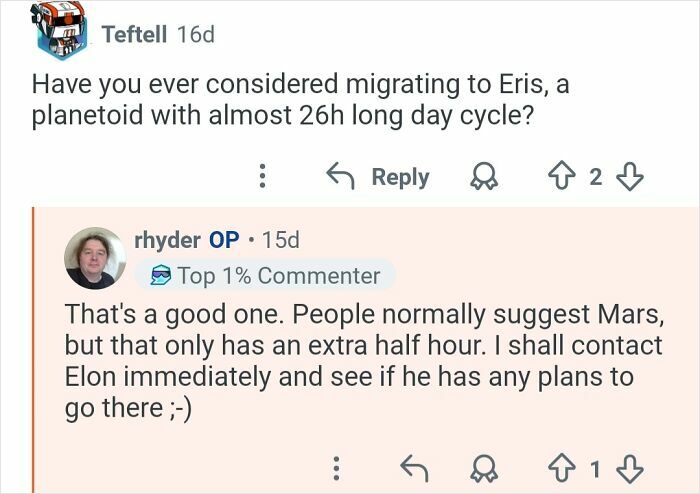
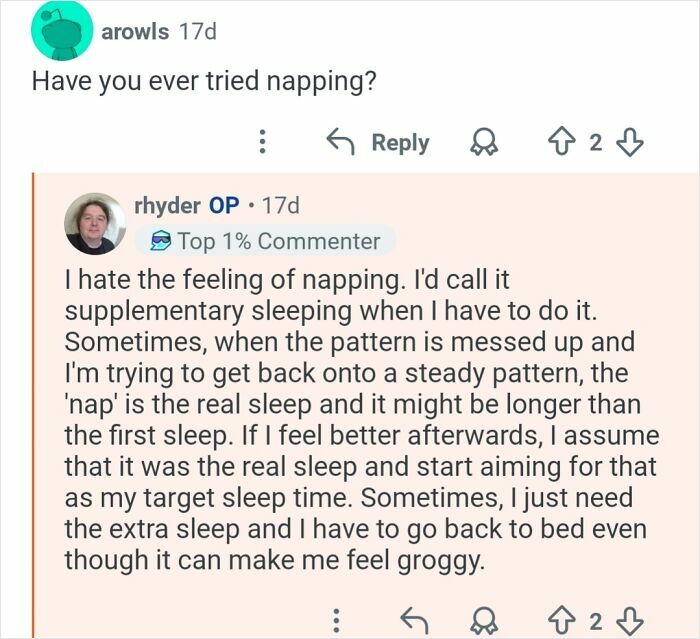
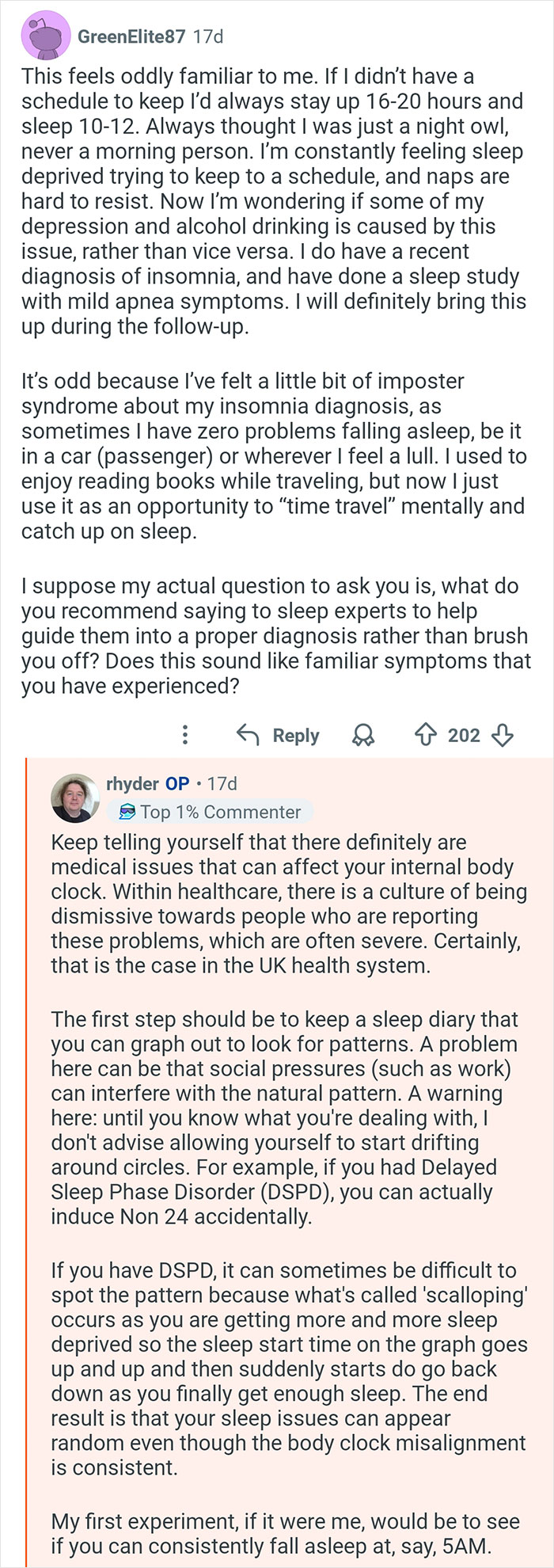
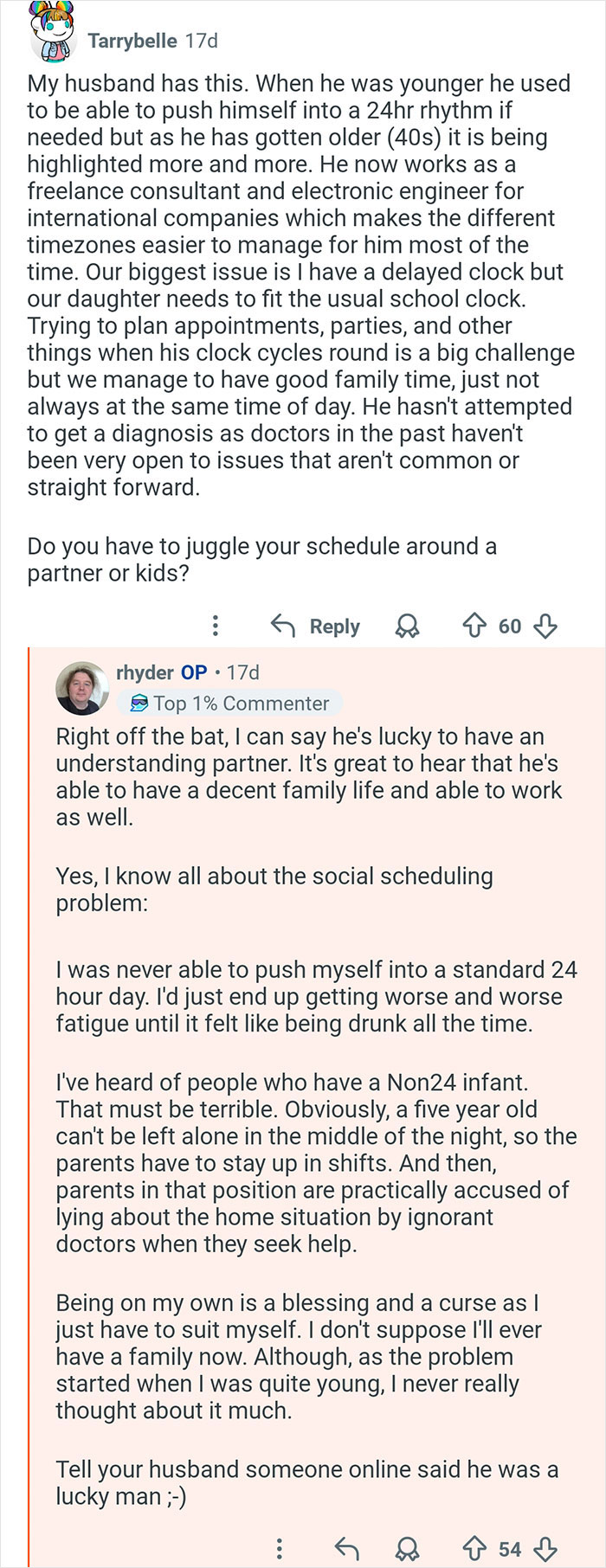
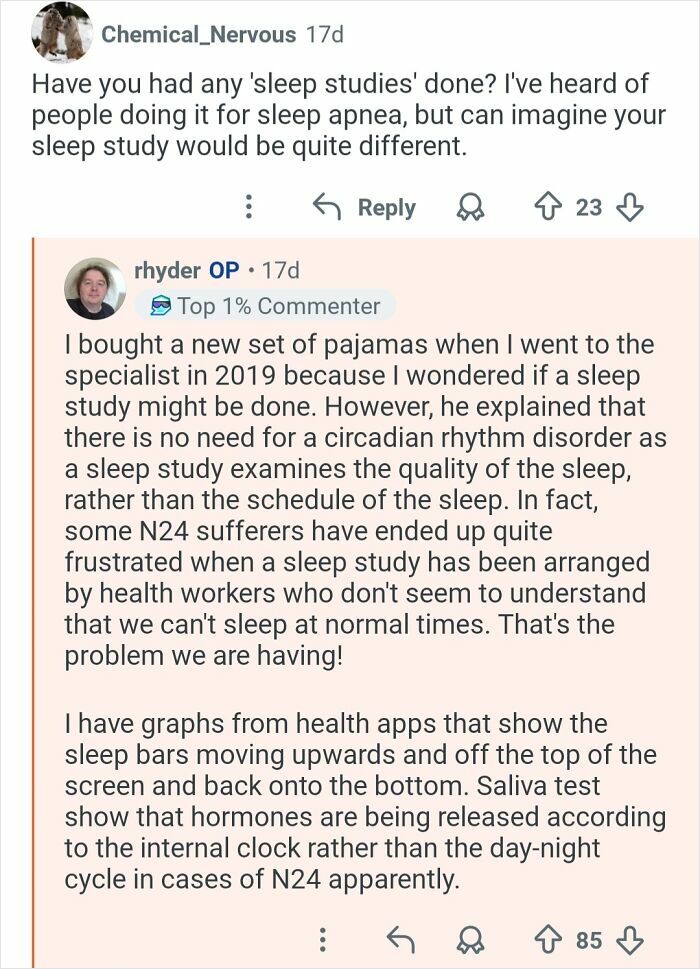
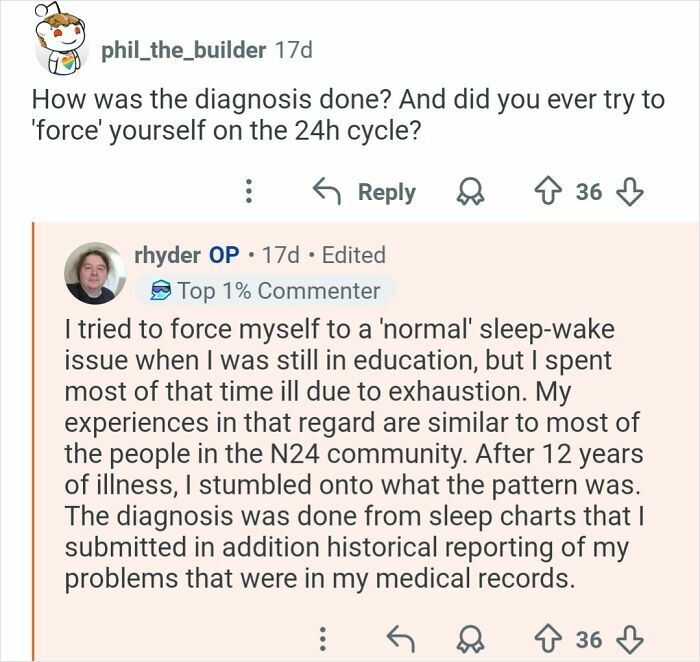
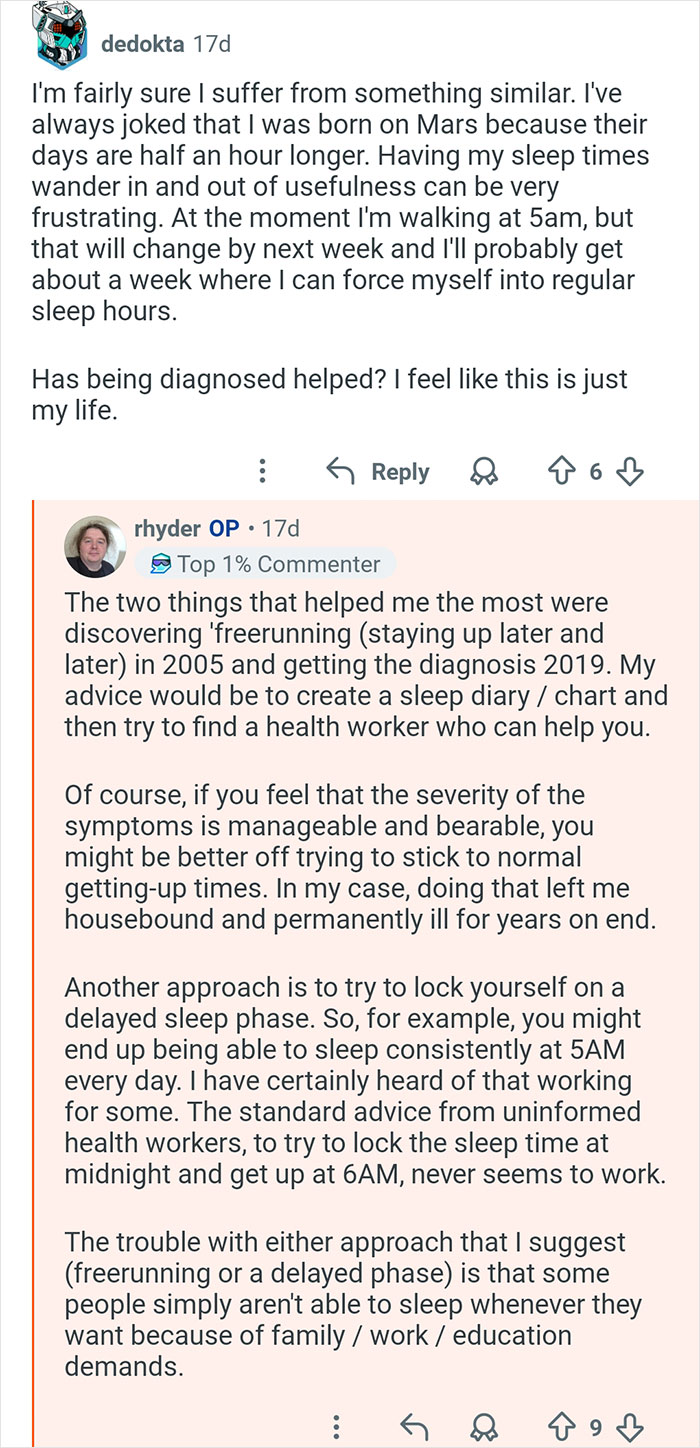
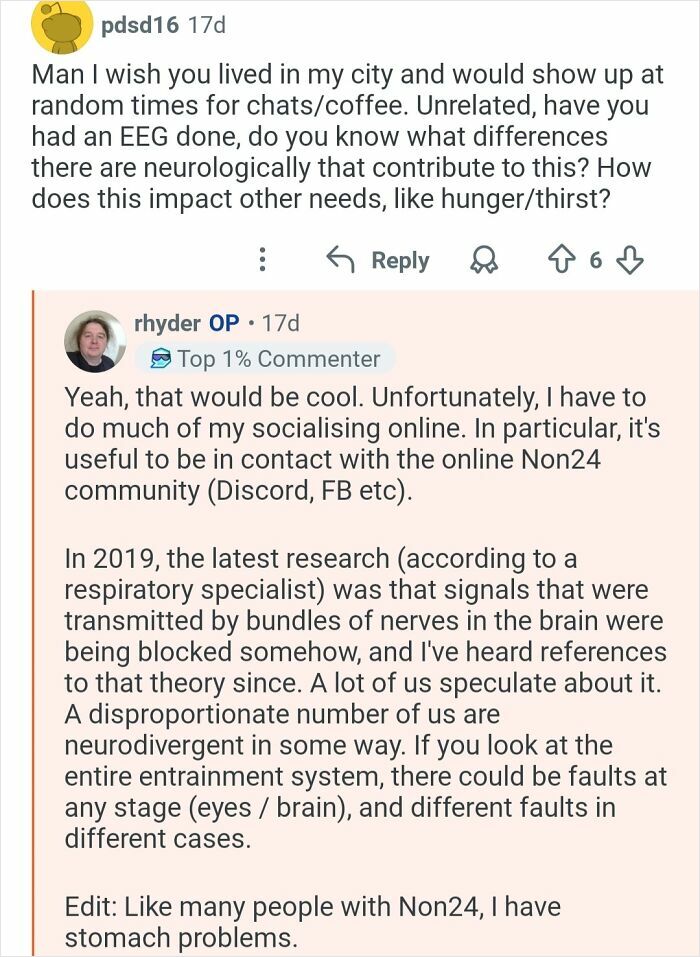
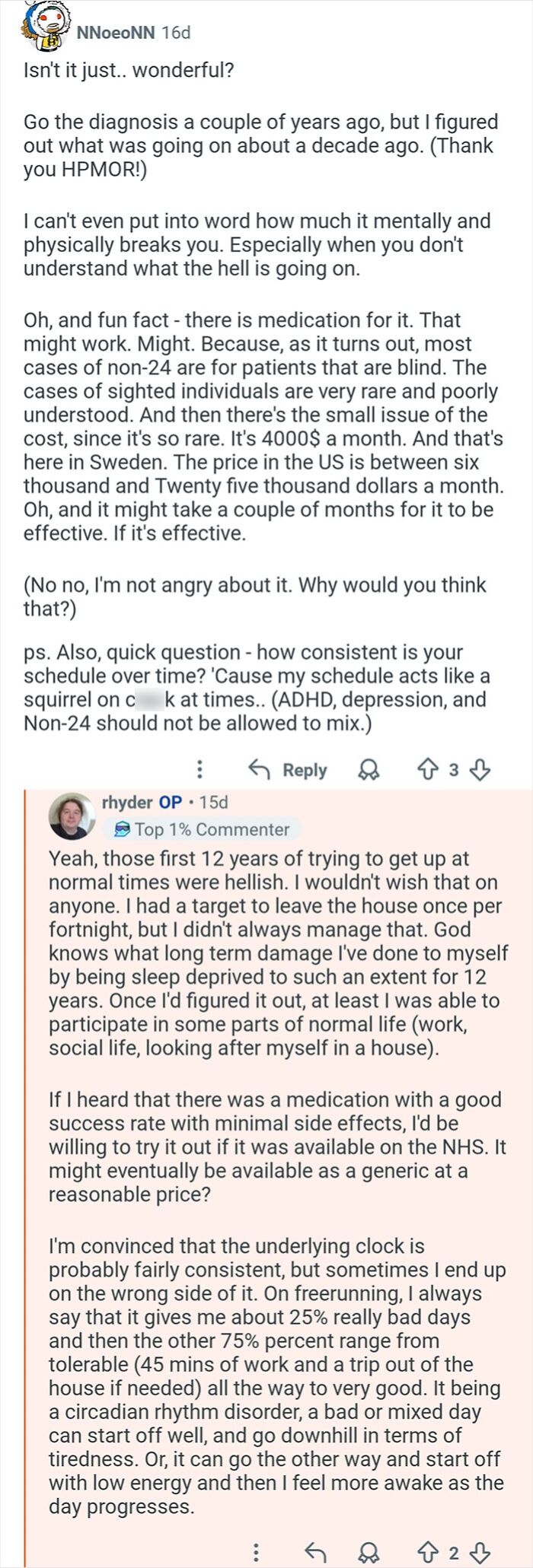
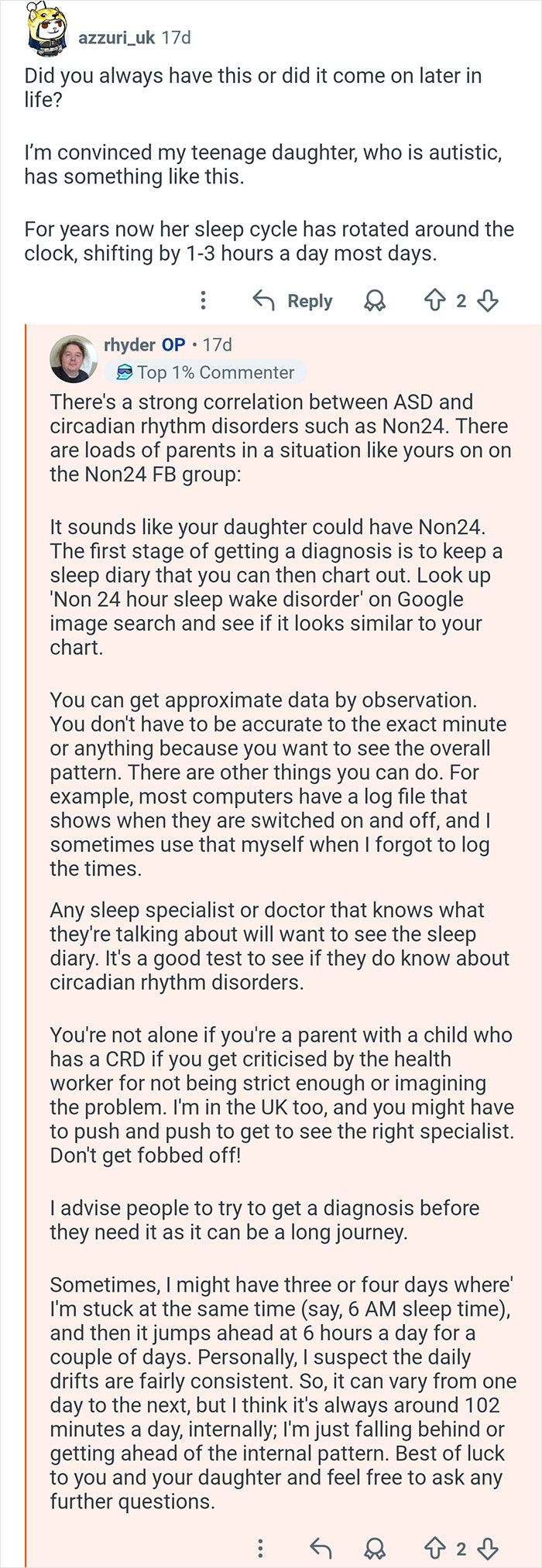
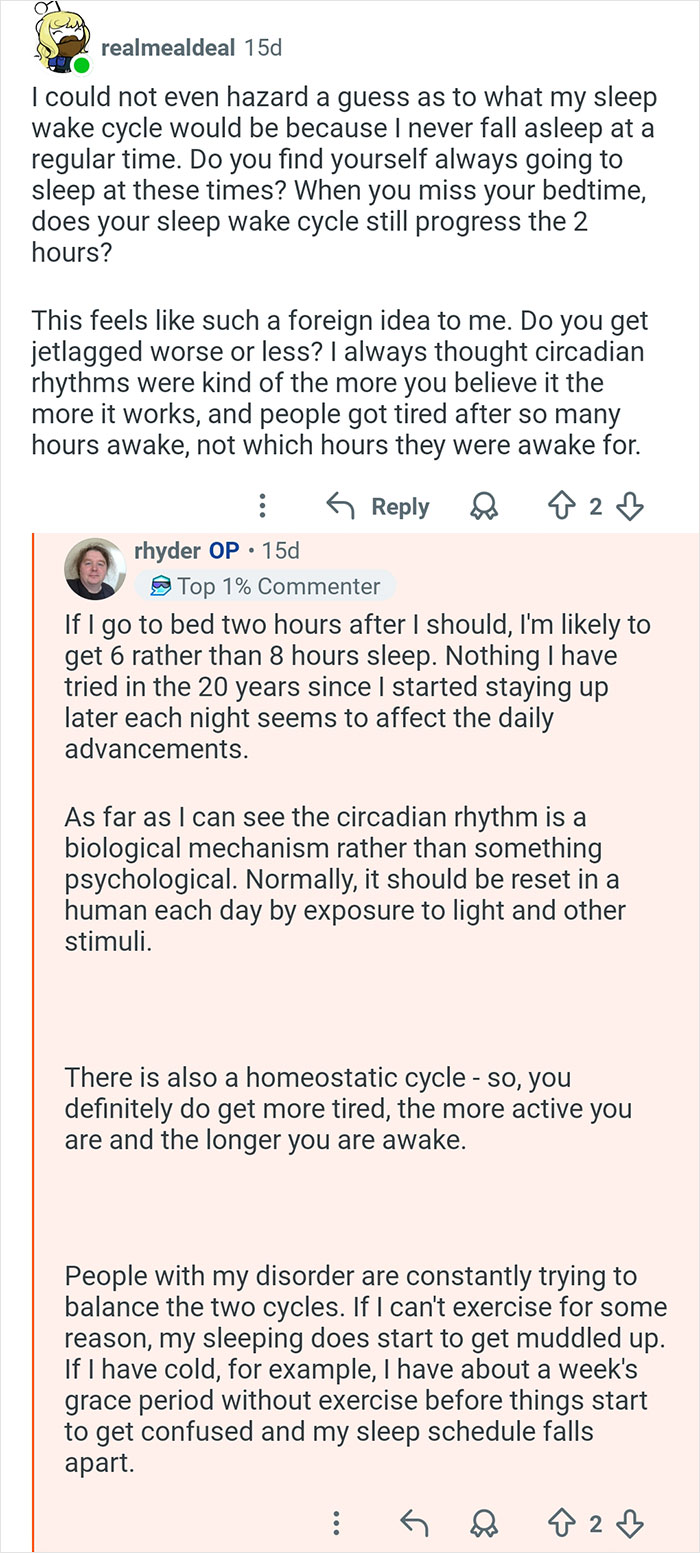
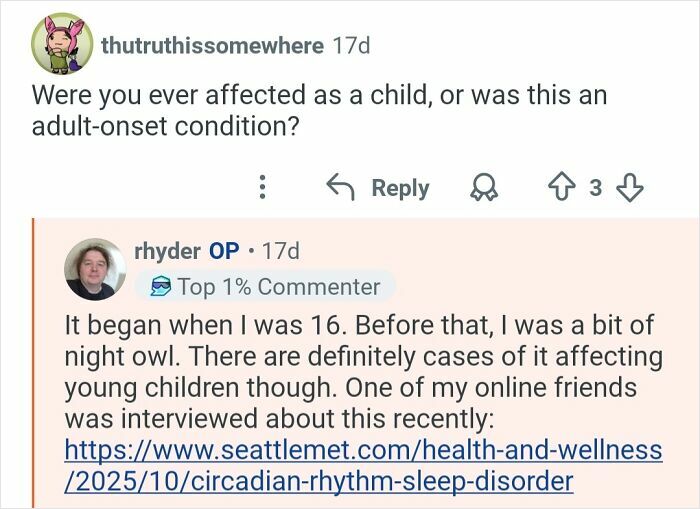
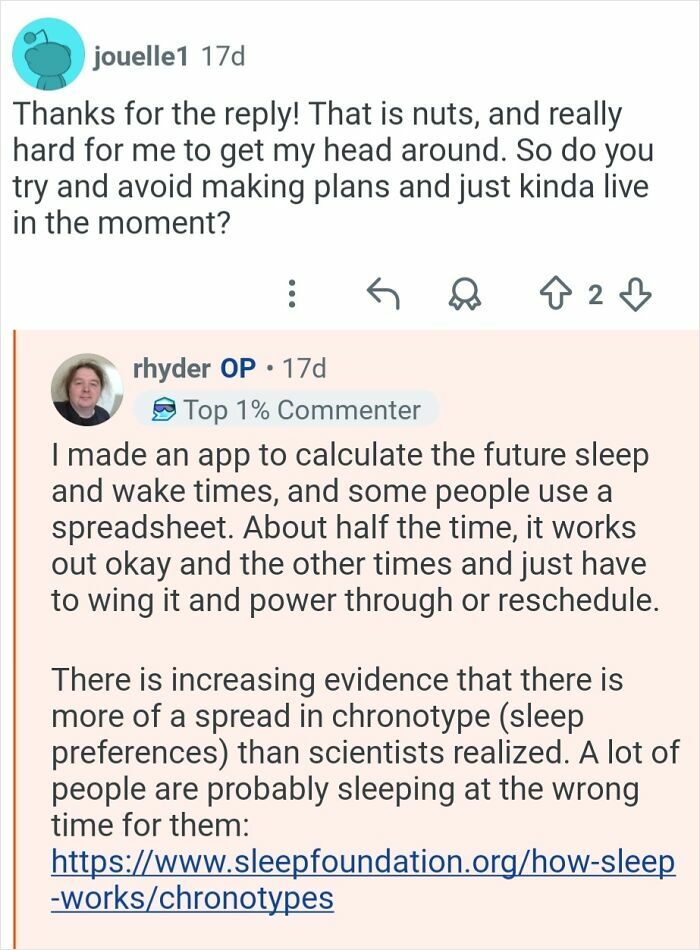
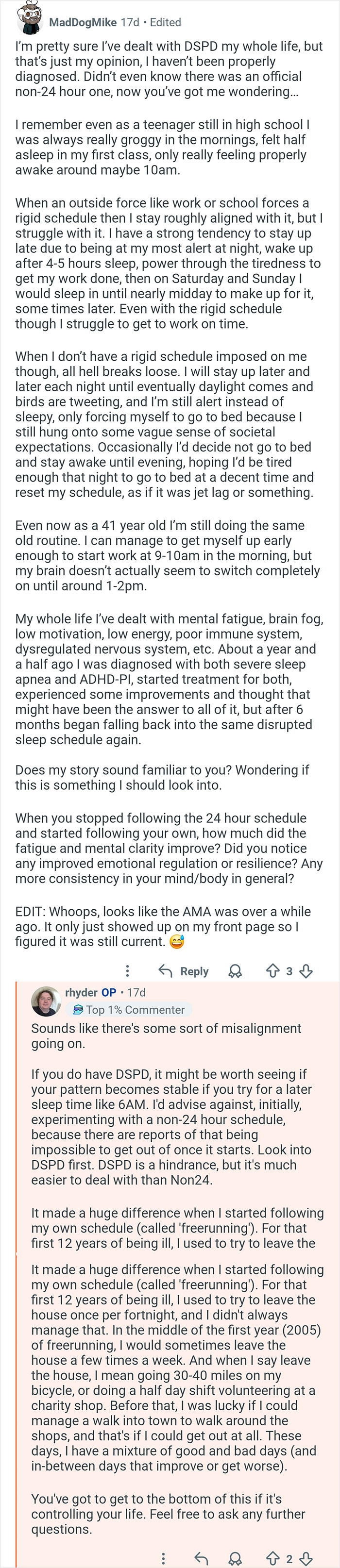
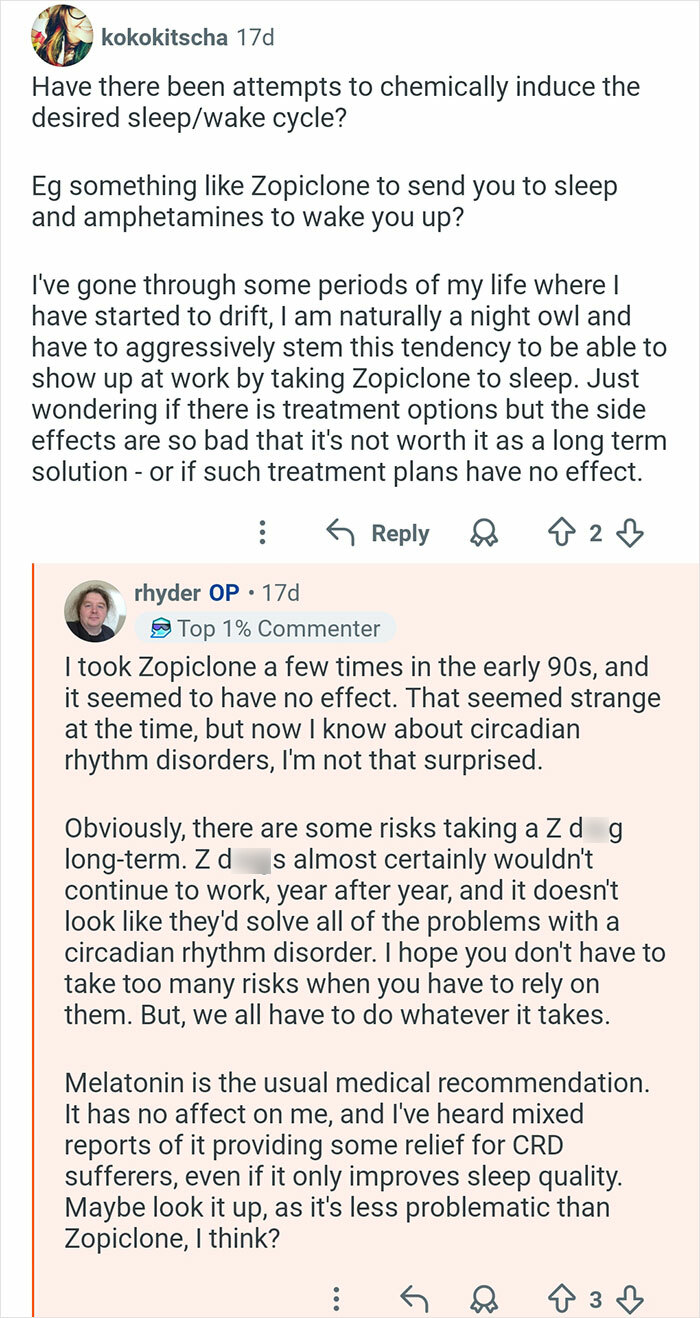
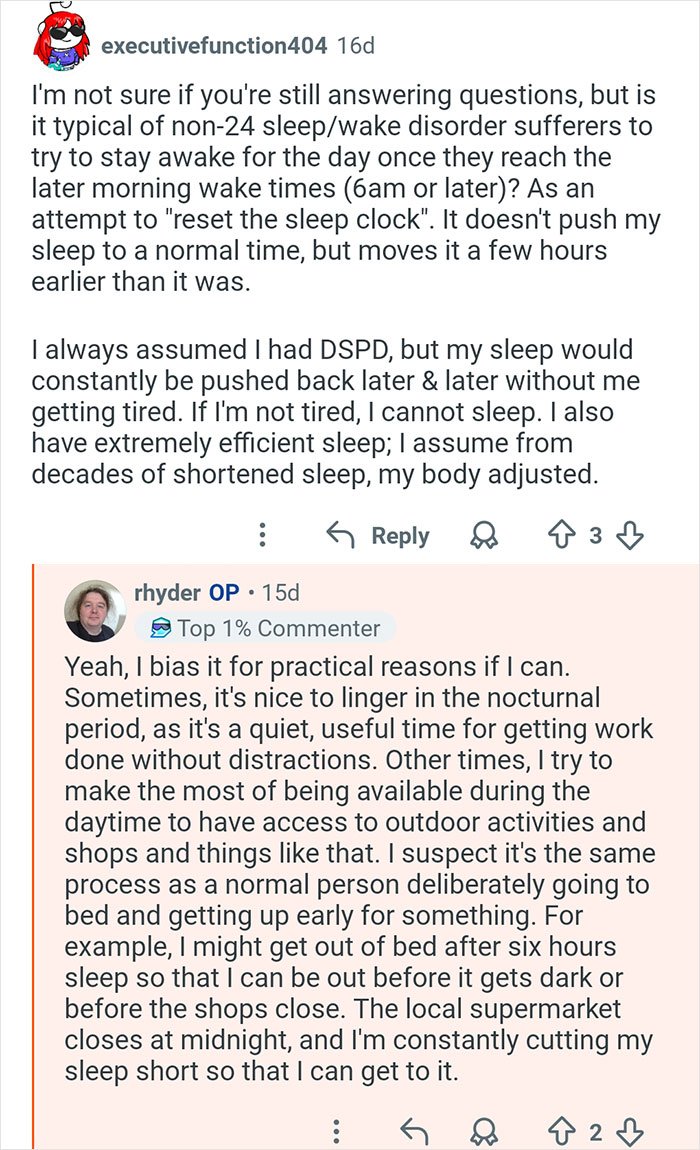
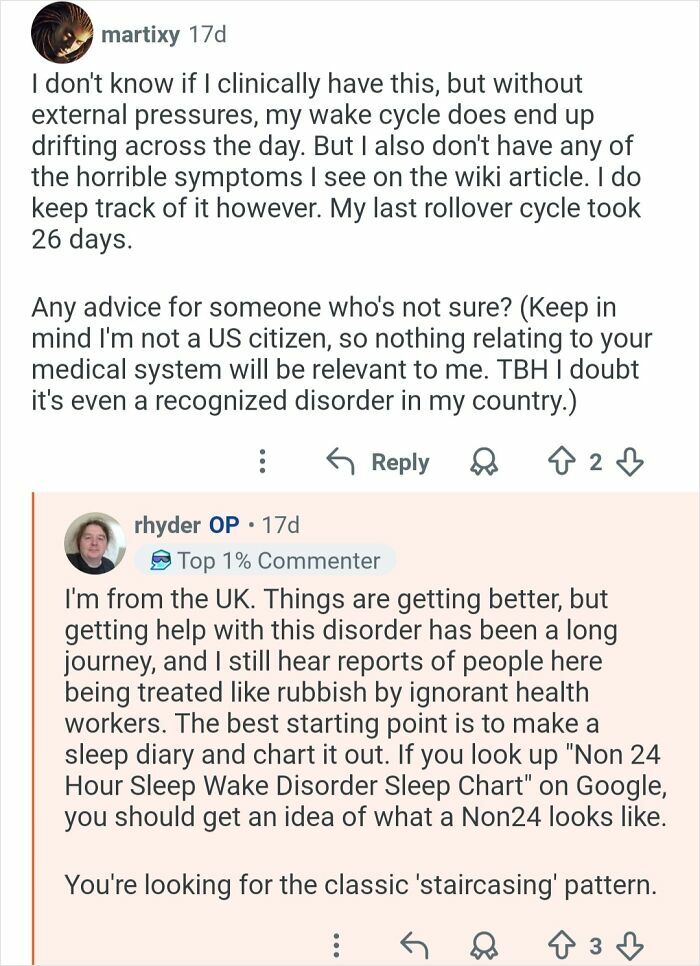
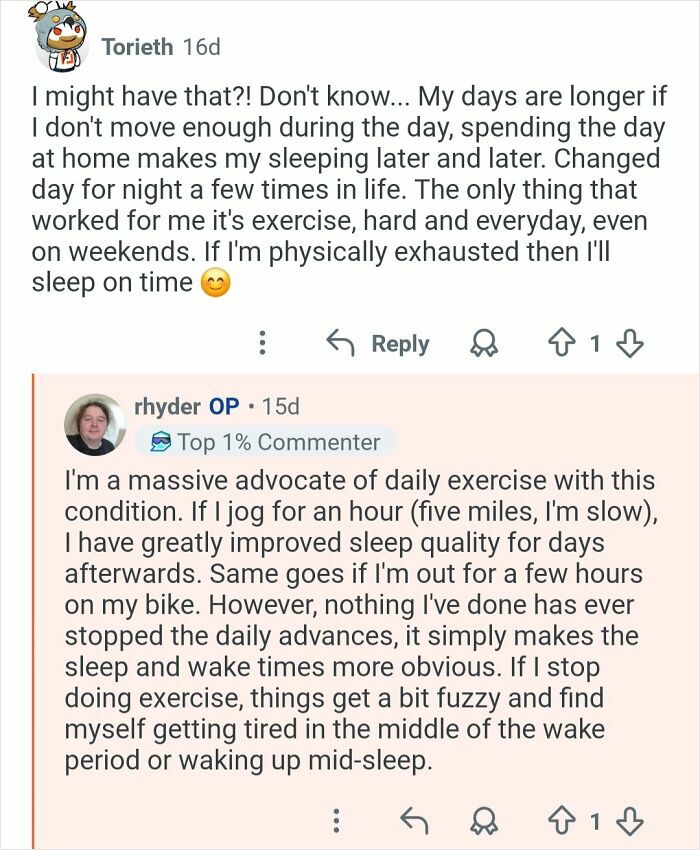
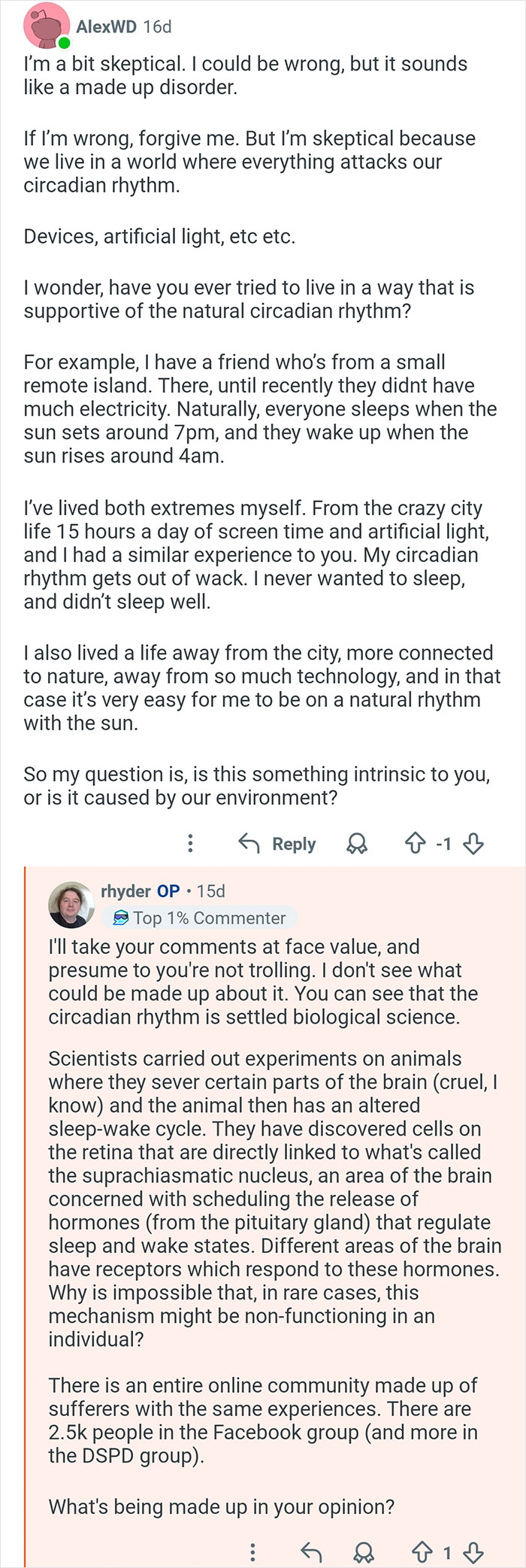
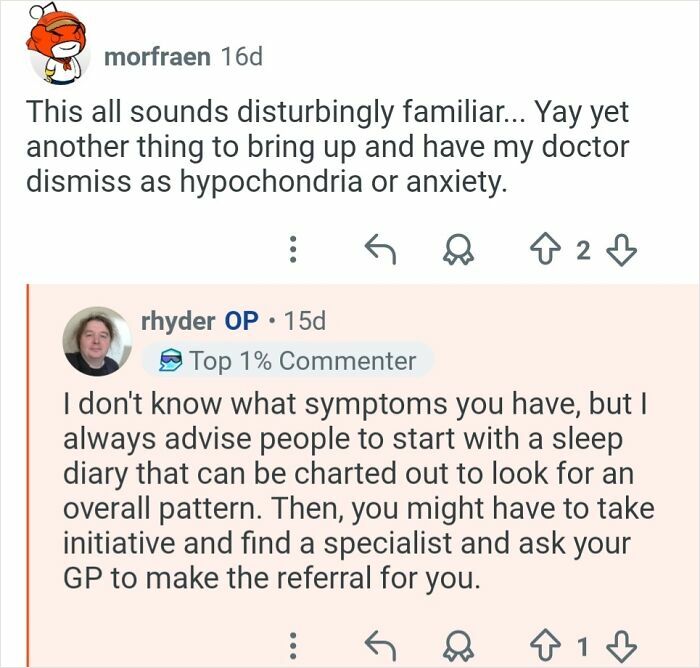
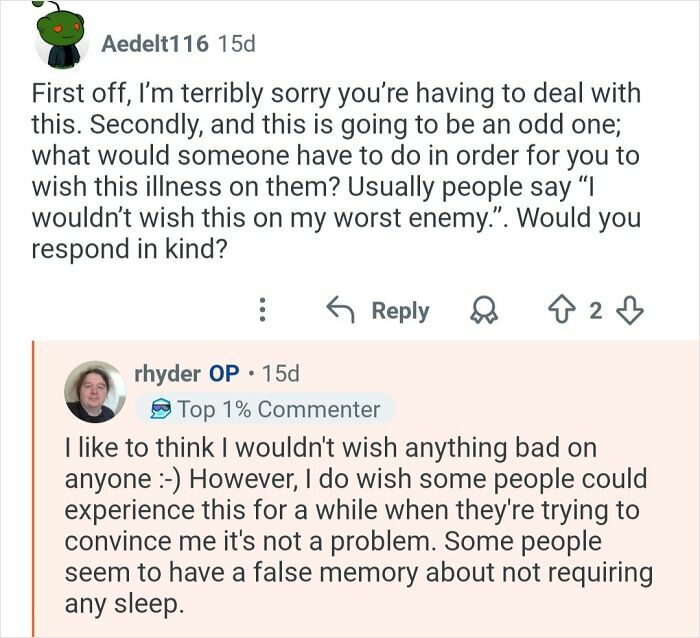
One person has described how instead of having a 24-hour day, he battles through a 26-hour day. The disorder even forced Michael Reed to be housebound for ten years, unable to work, socialize or live a semi-ordinary life. After sharing his journey online and inviting netizens to ask them anything, a surprising number of people came forward to reveal that they too suffer a similar fate.
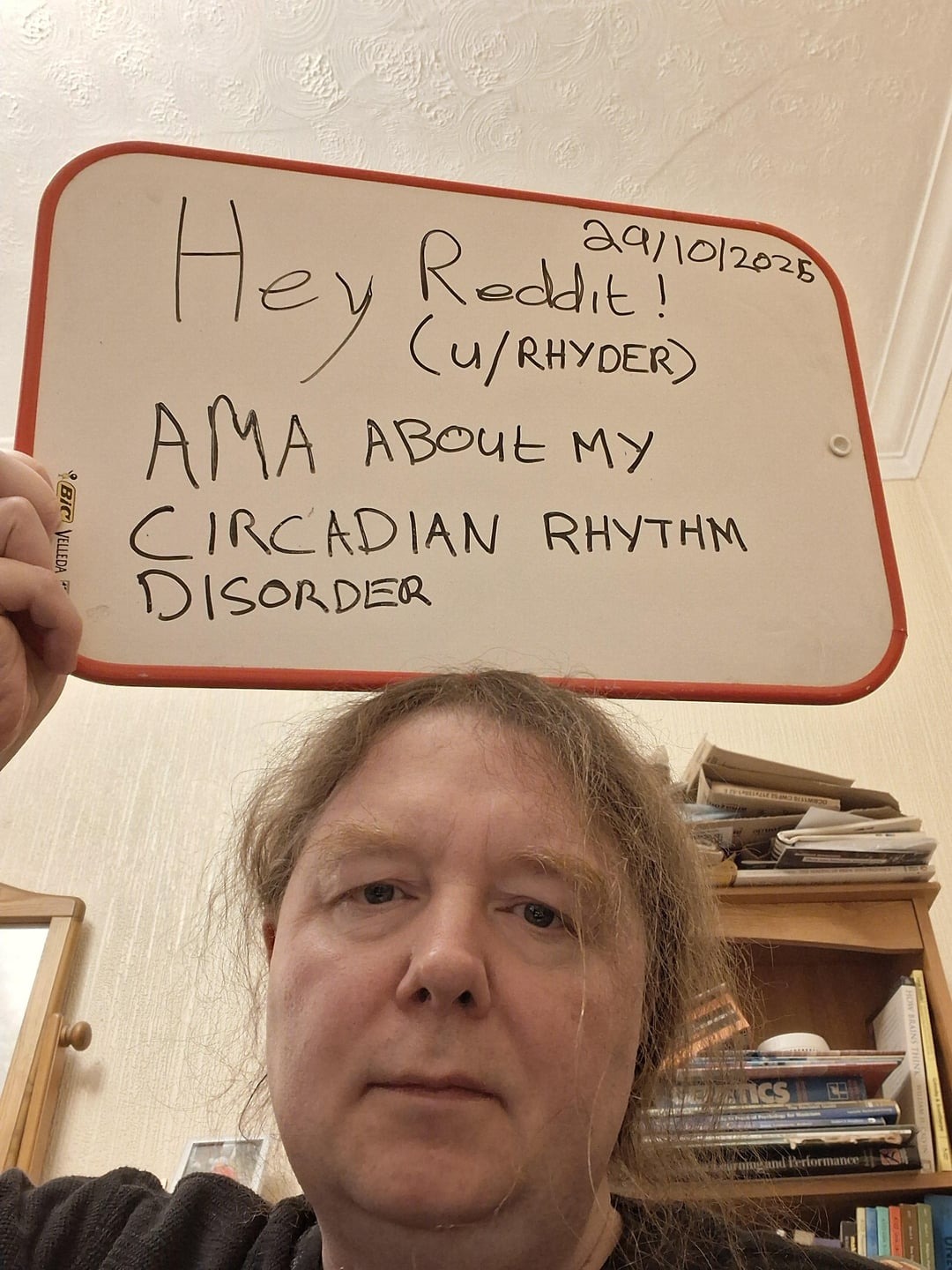
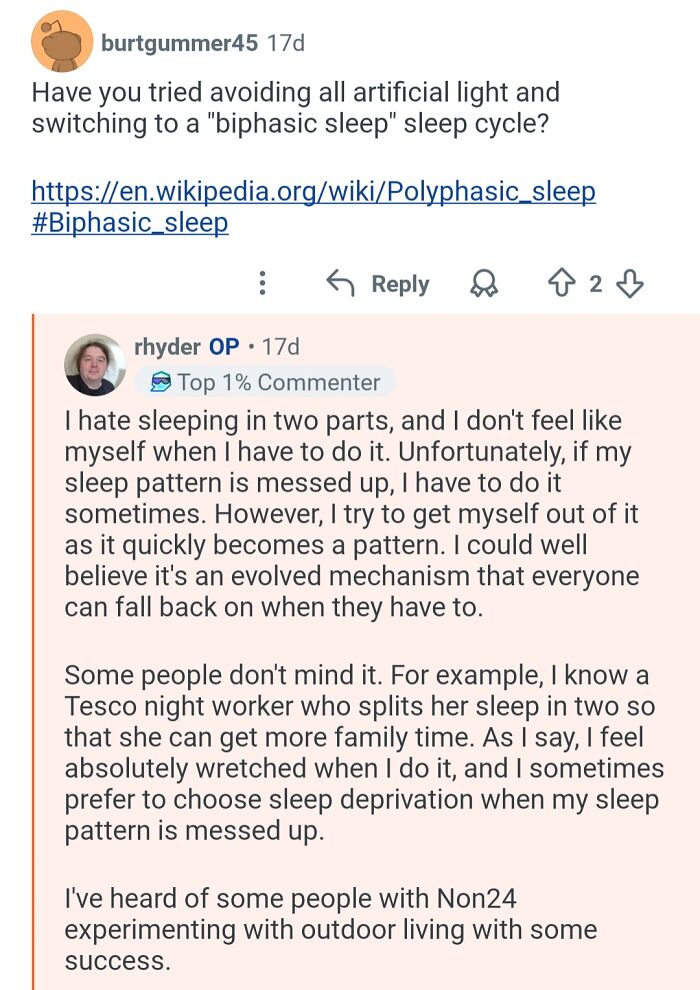
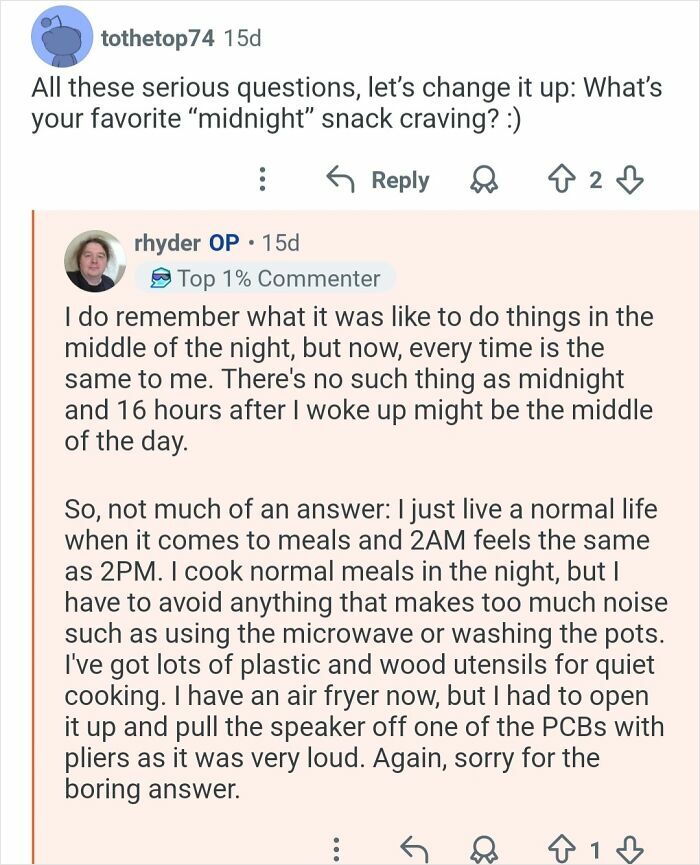
Image credits: rhyder
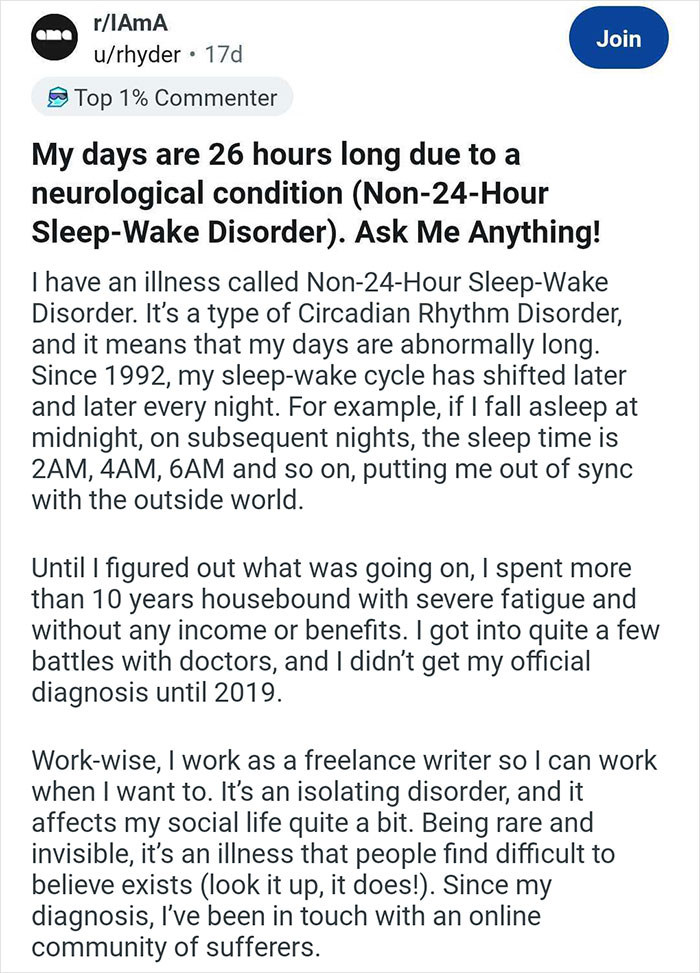
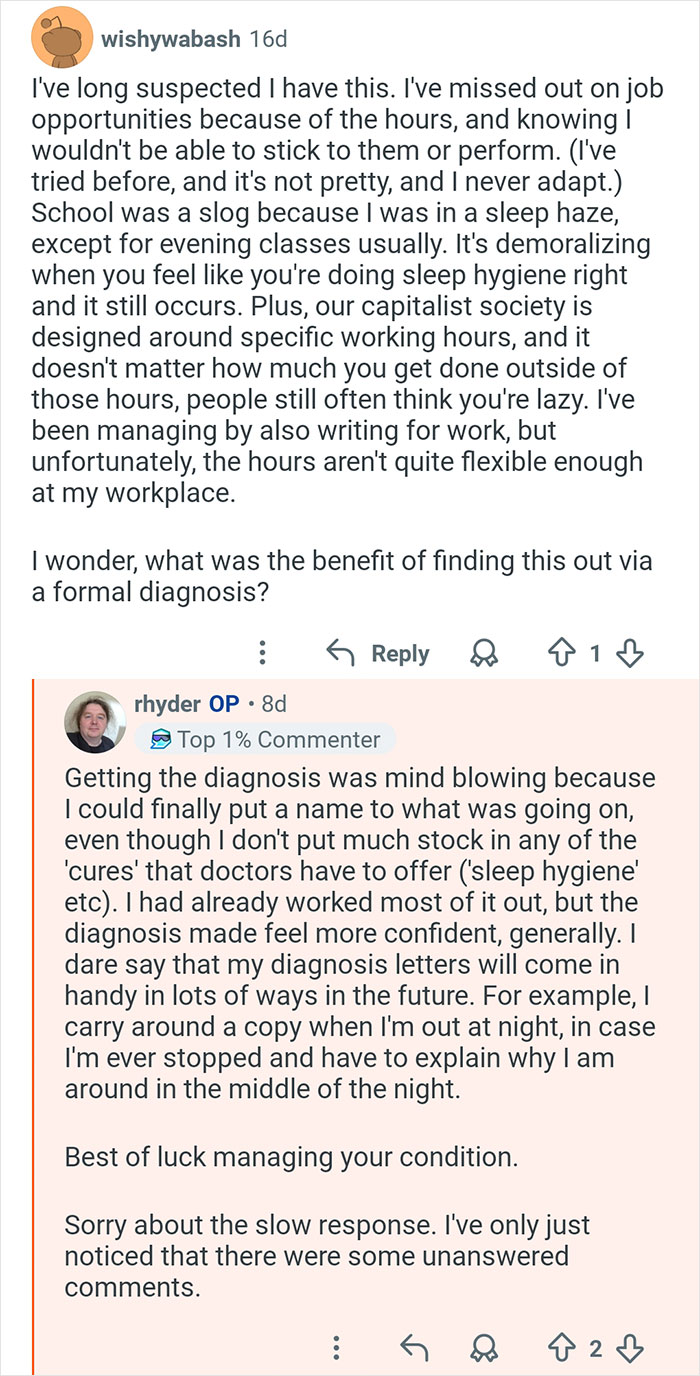
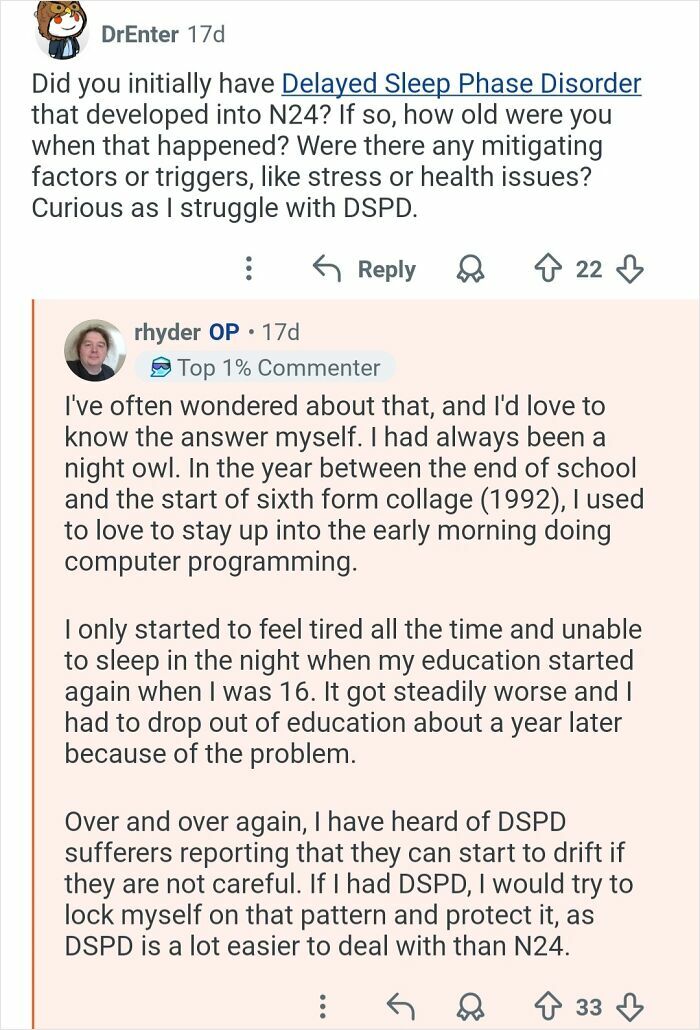
Image credits: rhyder
This post may include affiliate links.

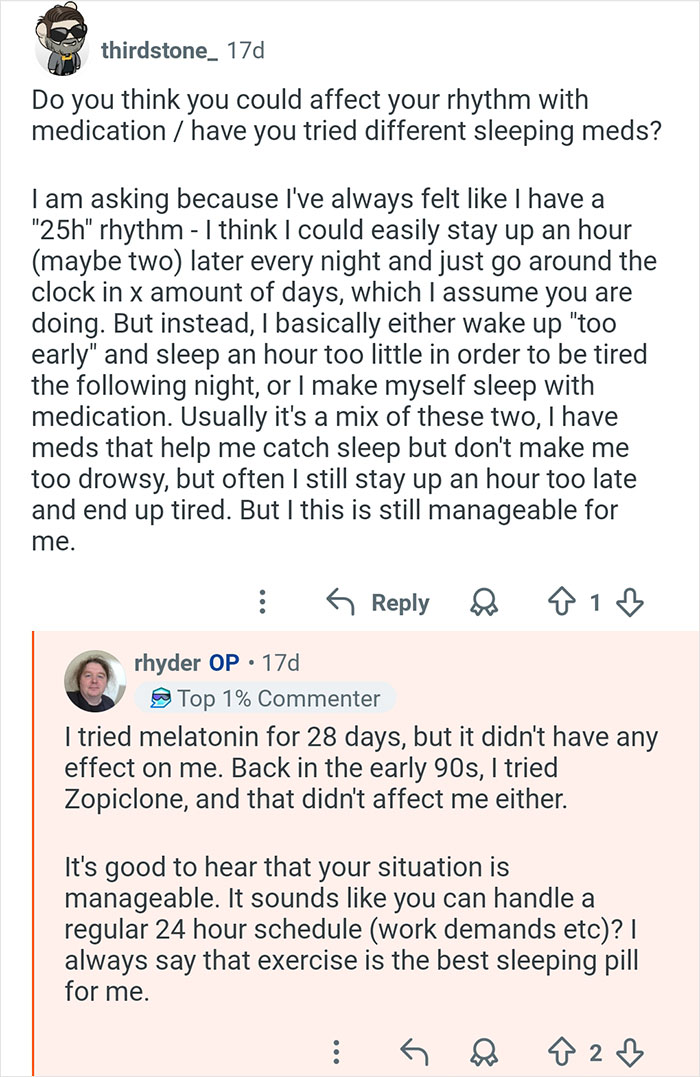
Oh, how timely. My sleep cycle keeps drifting and I'm waking up a little earlier each day - currently 2:30 am. Nothing seems to change it - diet, sleep times, naps/no-naps, forcing myself to stay up, etc. The only input that mattered is that about a week ago, I decided to stop resenting being wide awake at 2:00 am. I'm retired and there's really no difference between waking at 2 and reading for four hours vs waking at six and reading for four hours. After the holidays, I'm thinking about chasing the cycle all the way around the clock back to 'normal.'
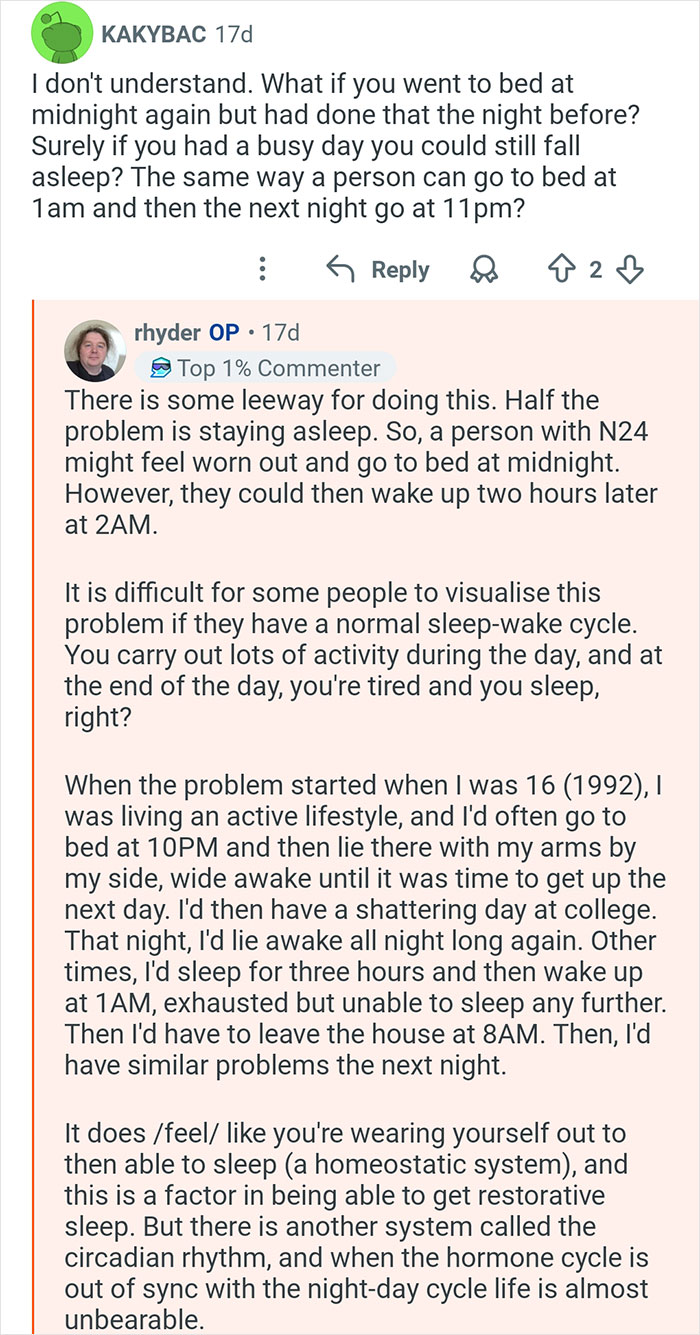
Michael Reed wasn't born with a sleep disorder. It seems to have snuck up on him during high school. Reed says that he started 1992 as an outgoing teenager and lived an active life, which included running, martial arts and cycling. But things started falling apart during the course of the year when began to have problems sleeping.
"I’d often wake up in the middle of the night, struggling to get some shut-eye and wondering how I was going to get through the day ahead. Even when I could, I would find it difficult to stay asleep and would sometimes wake up every half an hour or so," he wrote in a Metro "First Person" piece.
As you can imagine, Reed didn't feel great in the mornings. "I felt like I’d swigged half a bottle of vodka and downed a couple of sleeping pills before I left the house," he revealed.
It would be many years before Reed was finally diagnosed with Non-24-Hour Sleep-Wake Disorder (N24SWD). Those with the disorder have an ever-shifting circadian rhythm, and their sleep and wake times are constantly pushed progressively earlier or later. But having N24SWD doesn't only leave you feeling exhausted. It affects many other aspects of your life and body too.
"As a consequence of this ever-shifting rhythm, individuals with N24SWD experience inappropriate fluctuations in appetite, mood, and alertness," explains the Sleep Foundation.
They often, as Reed has described, have difficulty keeping work, school, or social commitments. They're also prone to depression due to the stress of not being able to keep a normal schedule, or as a side effect of sleeping during the day and not getting enough sunlight.

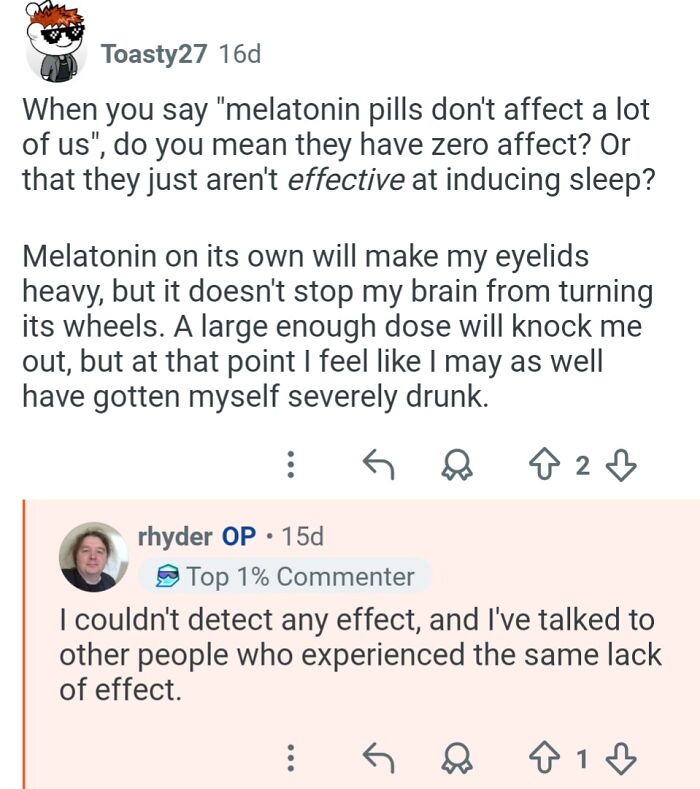
Jeez, one melatonin pill knocked me out for almost 24 hours. I can't even imagine more than one and not sleeping...
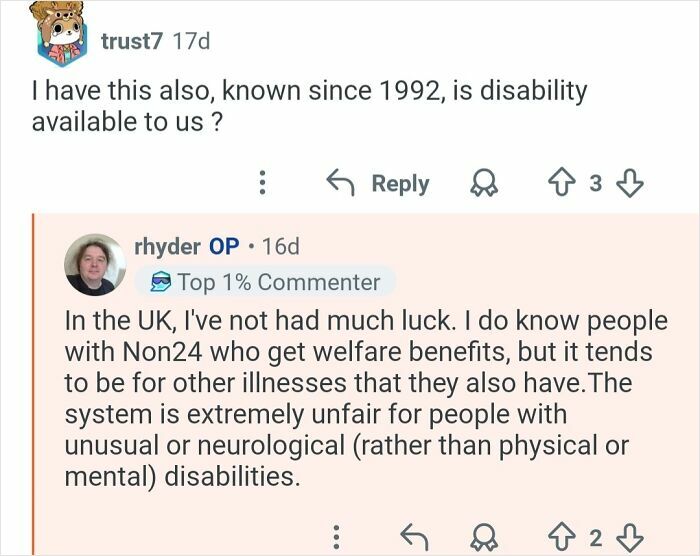
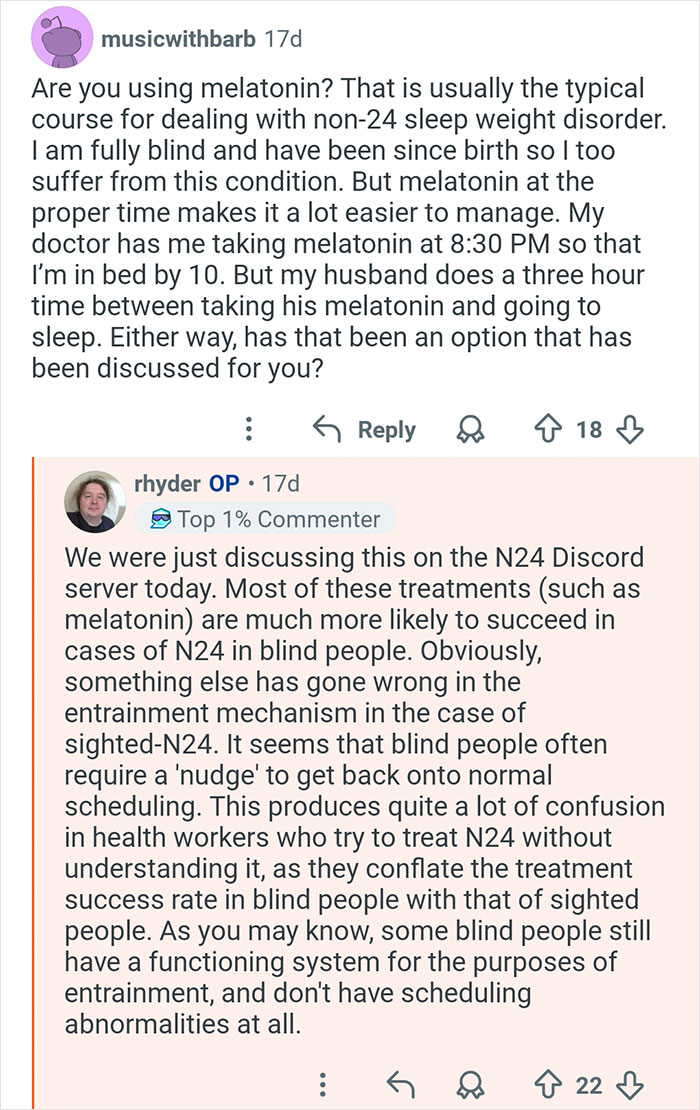
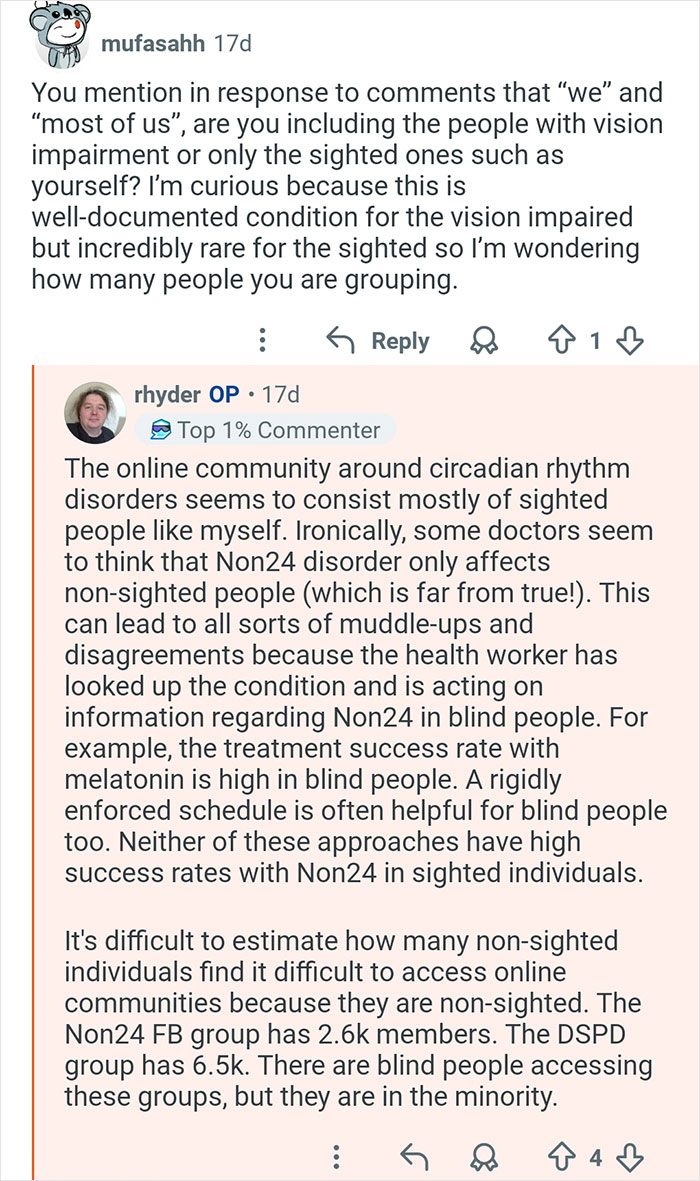
N24SWD is most common in people with total blindness, with an estimated 50% of completely blind people having the disorder. Experts say this is because total blindness means there's a lack of light input reaching the internal clock.
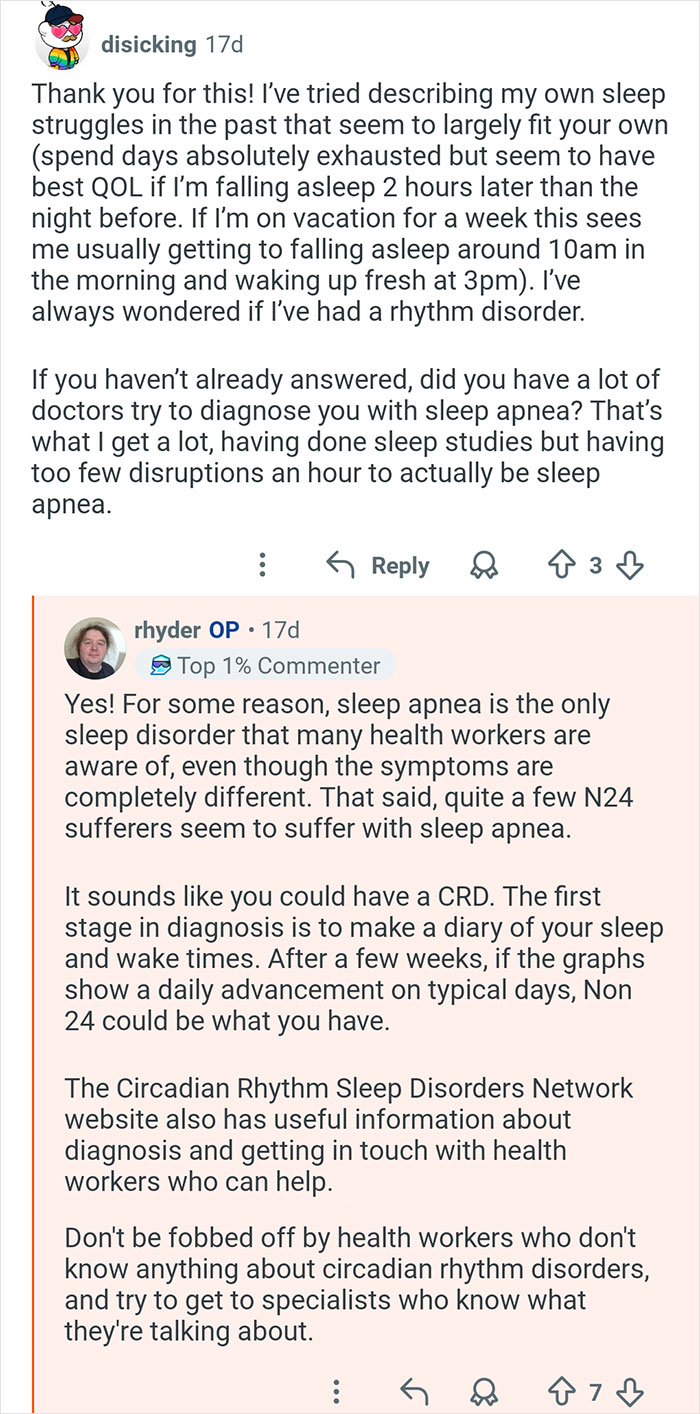
When it comes to sighted people with N24SWD, their condition is often misdiagnosed. "Symptoms manifest as generic daytime sleepiness and nighttime insomnia," explains the Sleep Foundation site, adding that this makes it easy for doctors to believe the patient has a different sleep disorder.
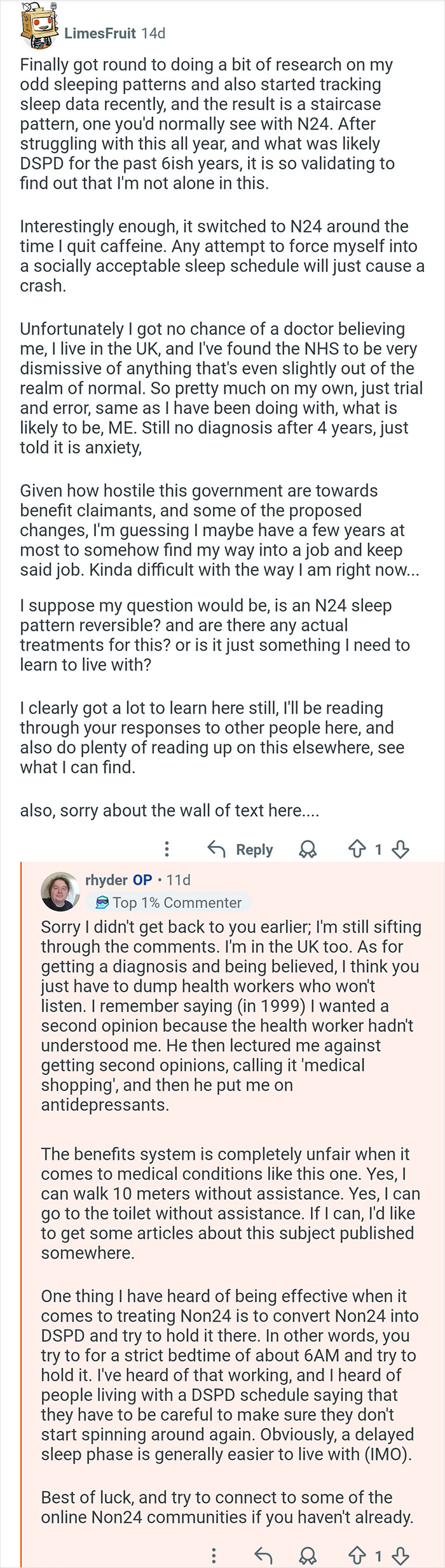
"As a result, many sighted people have the disorder for years before receiving a diagnosis," notes the foundation. And Reed can attest to this.
After first experiencing sleep problems in 1992, Reed sought the help of a number of medical professionals.
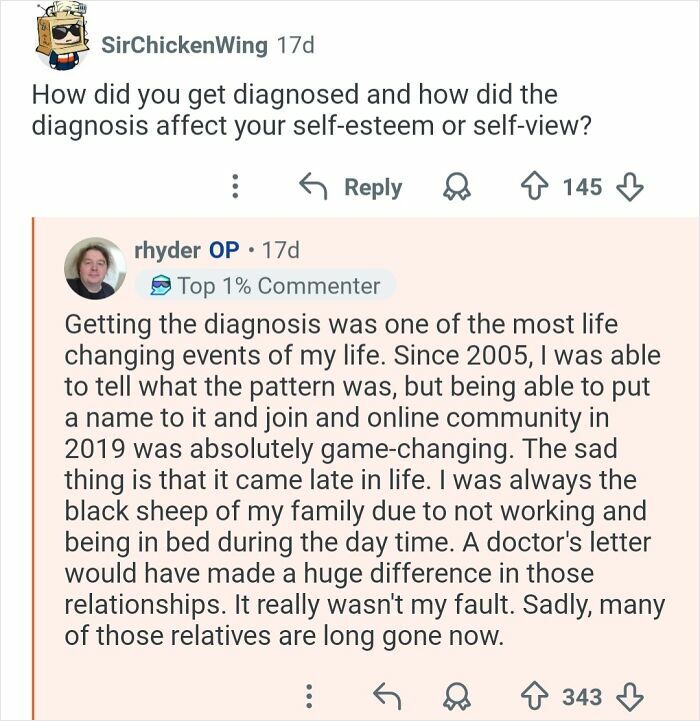
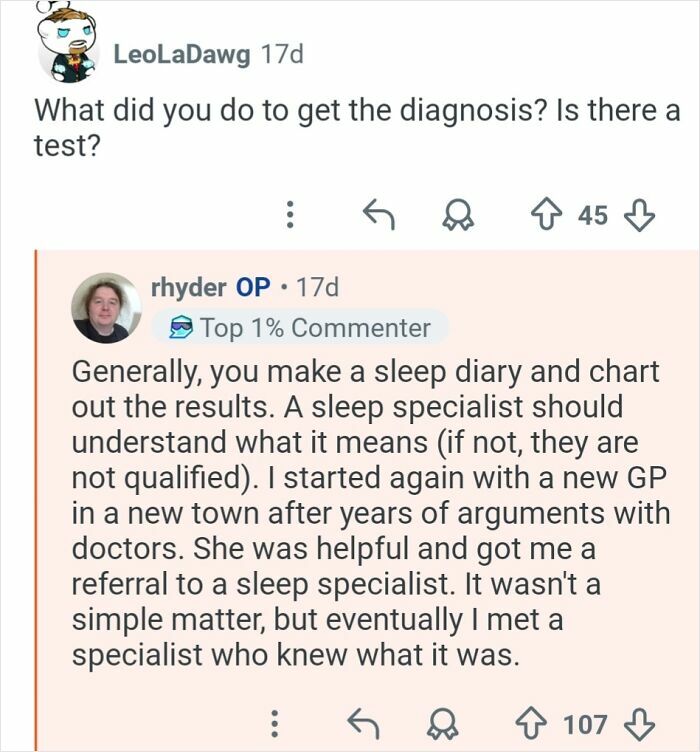
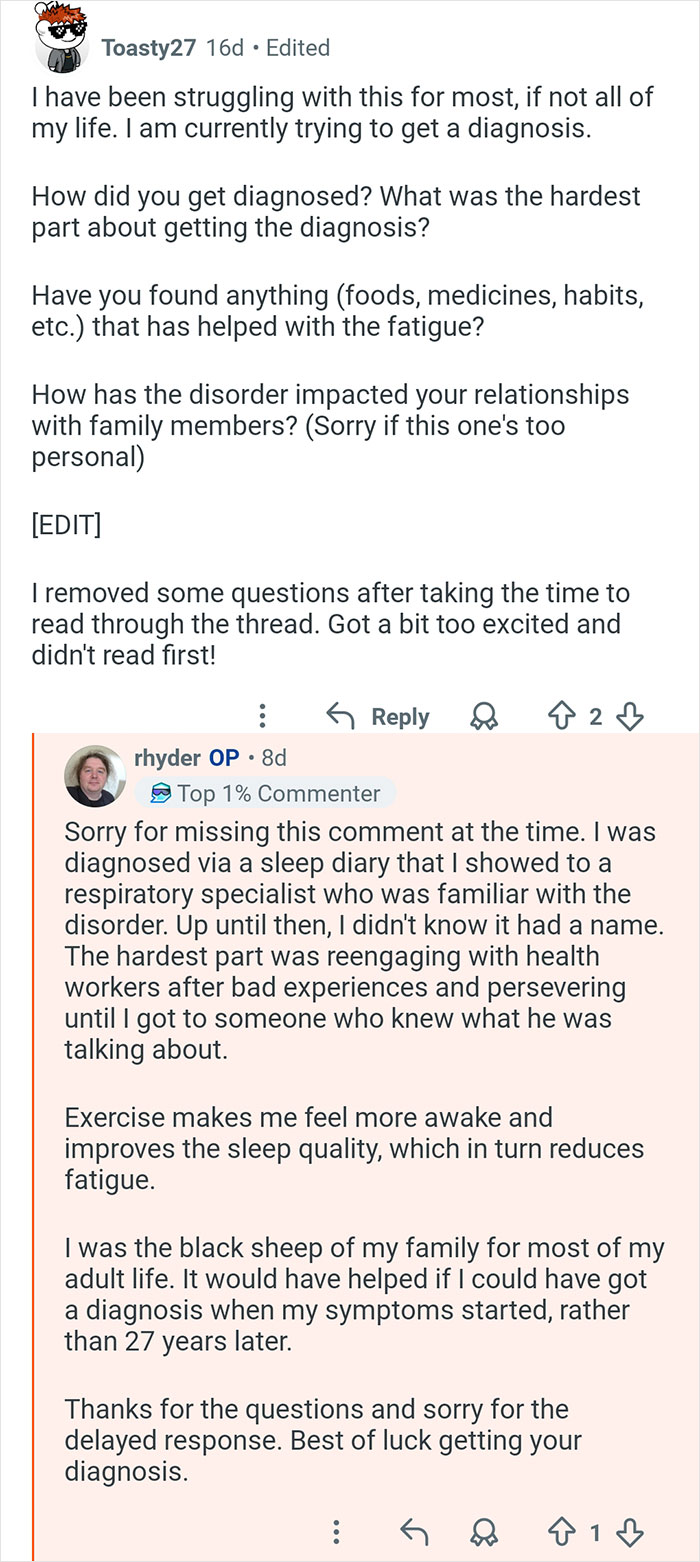
"In 2019, I decided to seek medical assistance once again and the GP I met this time around was much more helpful and understanding. Eventually, I was referred to a sleep clinic in a different part of the country, and one of the specialists I met recognised my condition," he writes. "It was then, after 27 years that I was finally given my official diagnosis of Non 24 Hour Sleep-Wake Disorder."
TIL I have had Non24 for approximately 68 years (started having problems with naps at age 4).
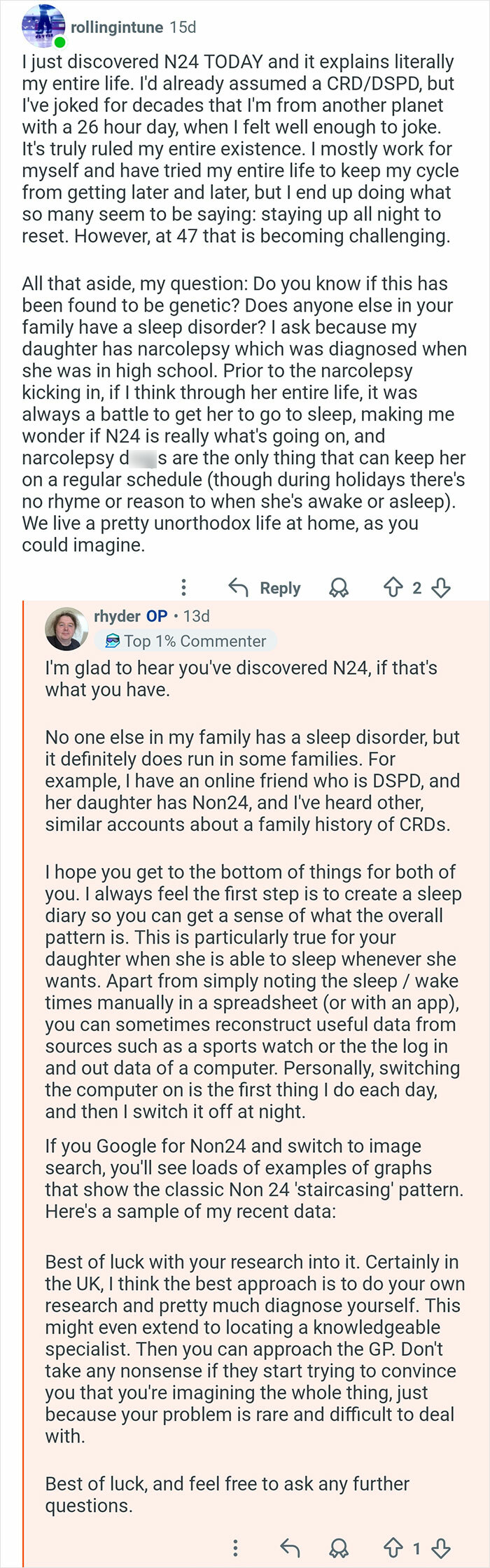
Dammn. I wasn't expecting to learn about myself this morning. I have some reading to do. What's been holding me back from 'freerunning' is the certainty of how much it will hurt trying to get back on a 24 hour cycle.
Hiya. I'm the guy who did the AMA, and I've just had this link sent to me. Thanks for doing it. You've both done a great job on your research, and your write up remarks are spot on. Let's hope a few of the right people see it and find it helpful. Thanks again.
TIL I have had Non24 for approximately 68 years (started having problems with naps at age 4).
Dammn. I wasn't expecting to learn about myself this morning. I have some reading to do. What's been holding me back from 'freerunning' is the certainty of how much it will hurt trying to get back on a 24 hour cycle.
Hiya. I'm the guy who did the AMA, and I've just had this link sent to me. Thanks for doing it. You've both done a great job on your research, and your write up remarks are spot on. Let's hope a few of the right people see it and find it helpful. Thanks again.

















 No fees, cancel anytime
 then open in external browser


 and click "Open in External Browser"