Get Premium
Dark mode theme is available exclusively for premium users. Learn more about the benefits of subscribing.
No fees, cancel anytime.

 Dark Mode Ad-Free Browsing Unlimited Content
 Ad-Free Browsing Unlimited Content Dark Mode
Join 1.2 million Panda readers who get the best art, memes, and fun stories every week!
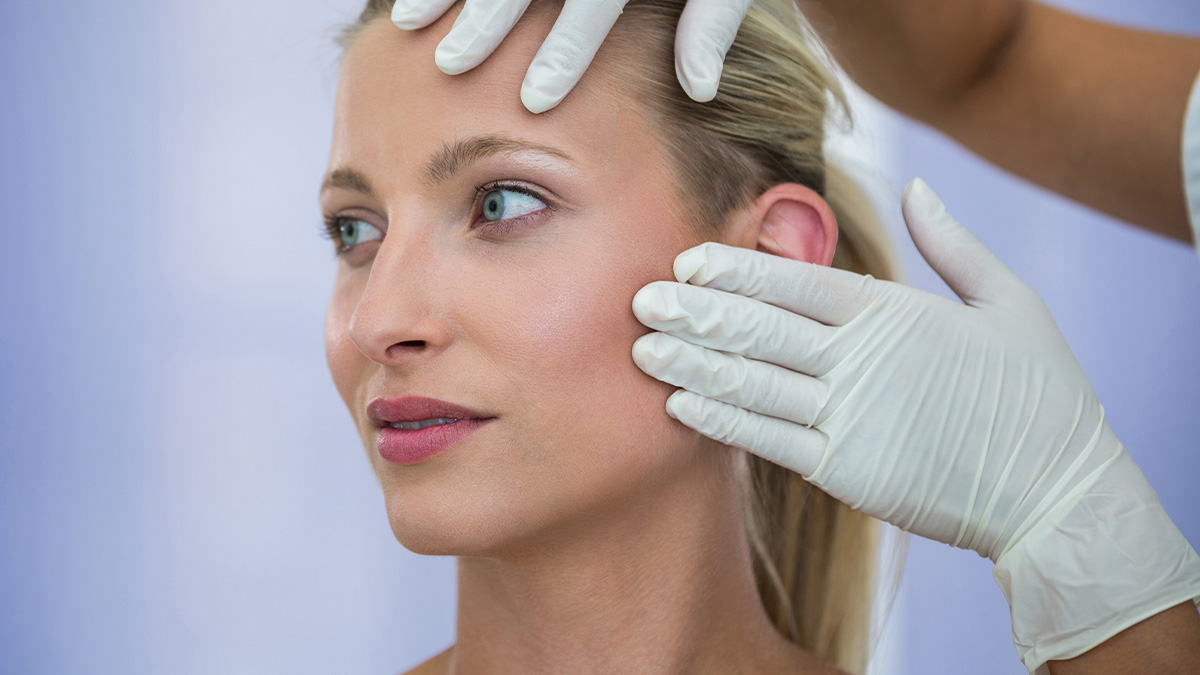
We’re all fighting our own battles. But Reddit user Agitated_Island_2982 fears his wife is losing hers without even realizing it.
After years of feeling insecure about her looks, she turned to cosmetic surgery, hoping it would finally help her feel at peace in her own skin.
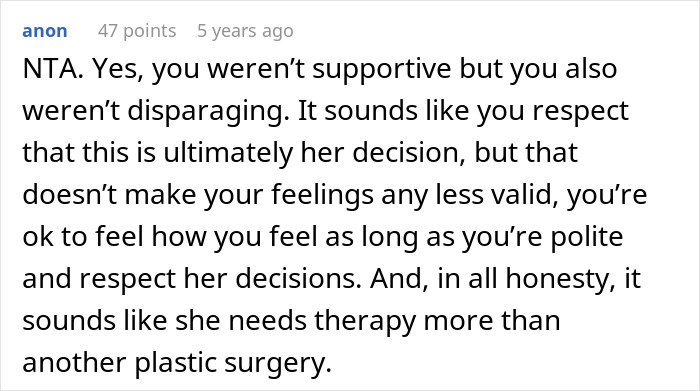
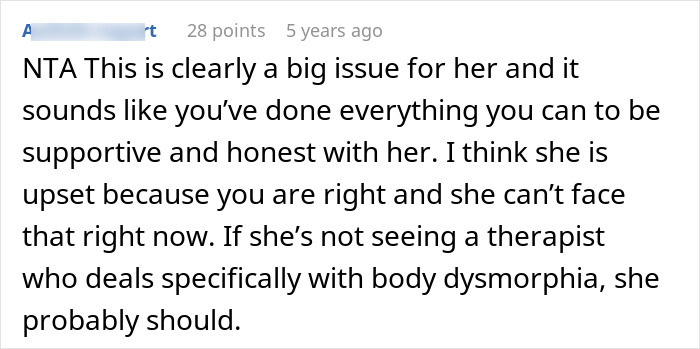
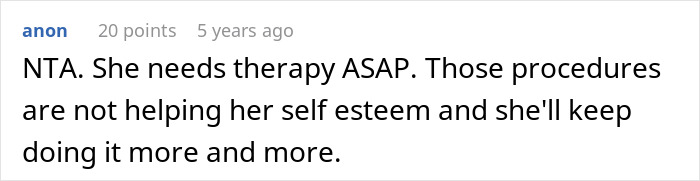
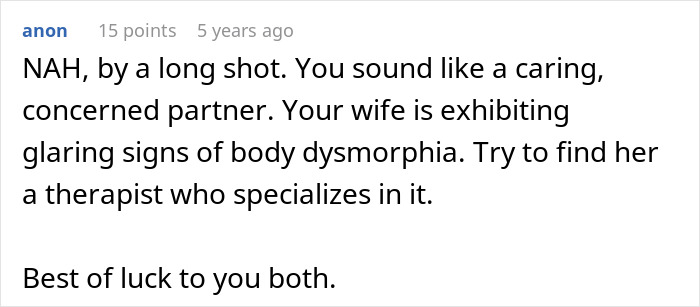
And while she believes it’s working, he thinks the changes are only deepening the problem — and the couple can’t really find a way to talk about it without the discussion getting out of hand.
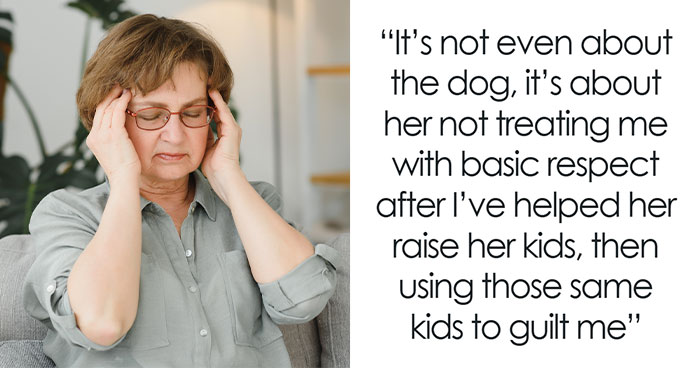
Image credits: wavebreakmedia_micro (not the actual photo)
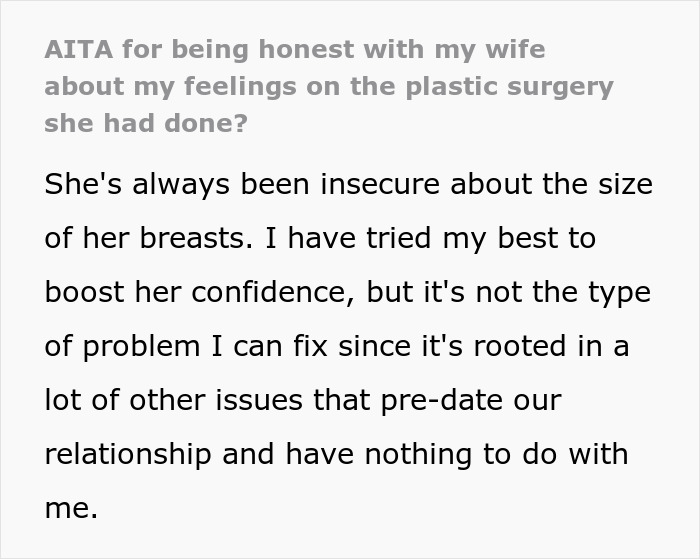
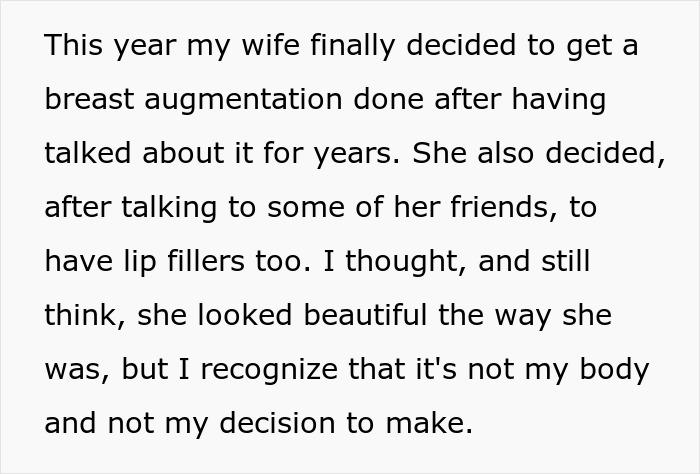
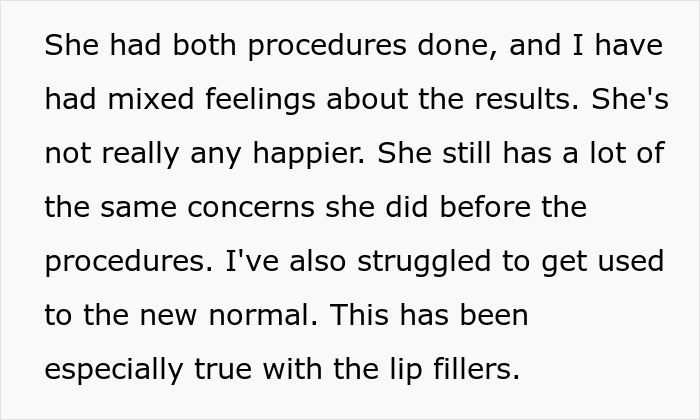
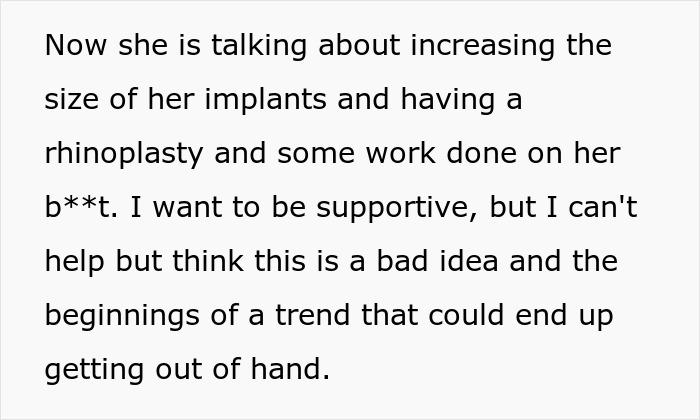
Image credits: drobotdean (not the actual photo)
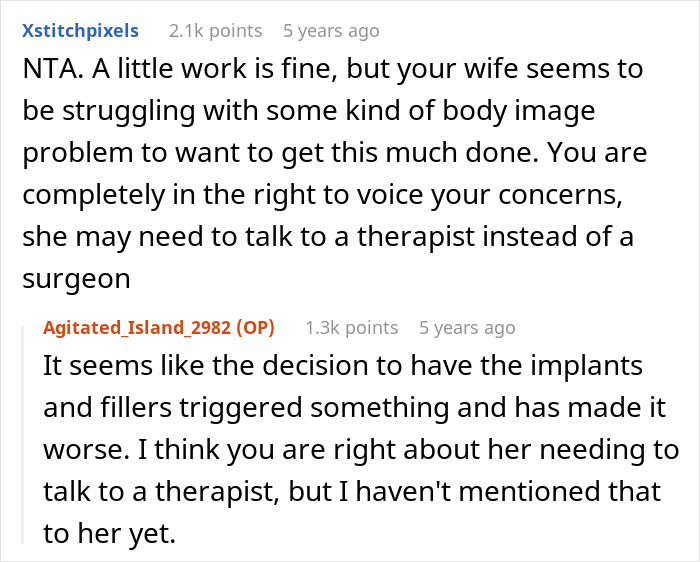
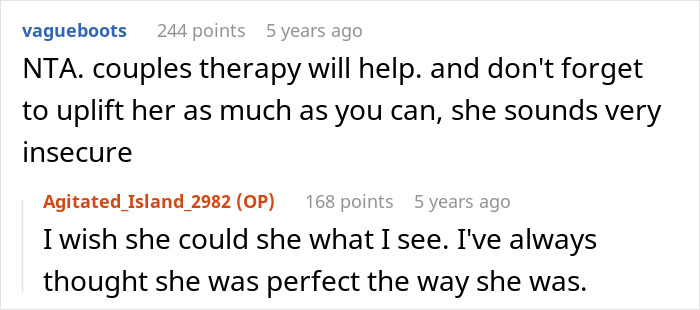
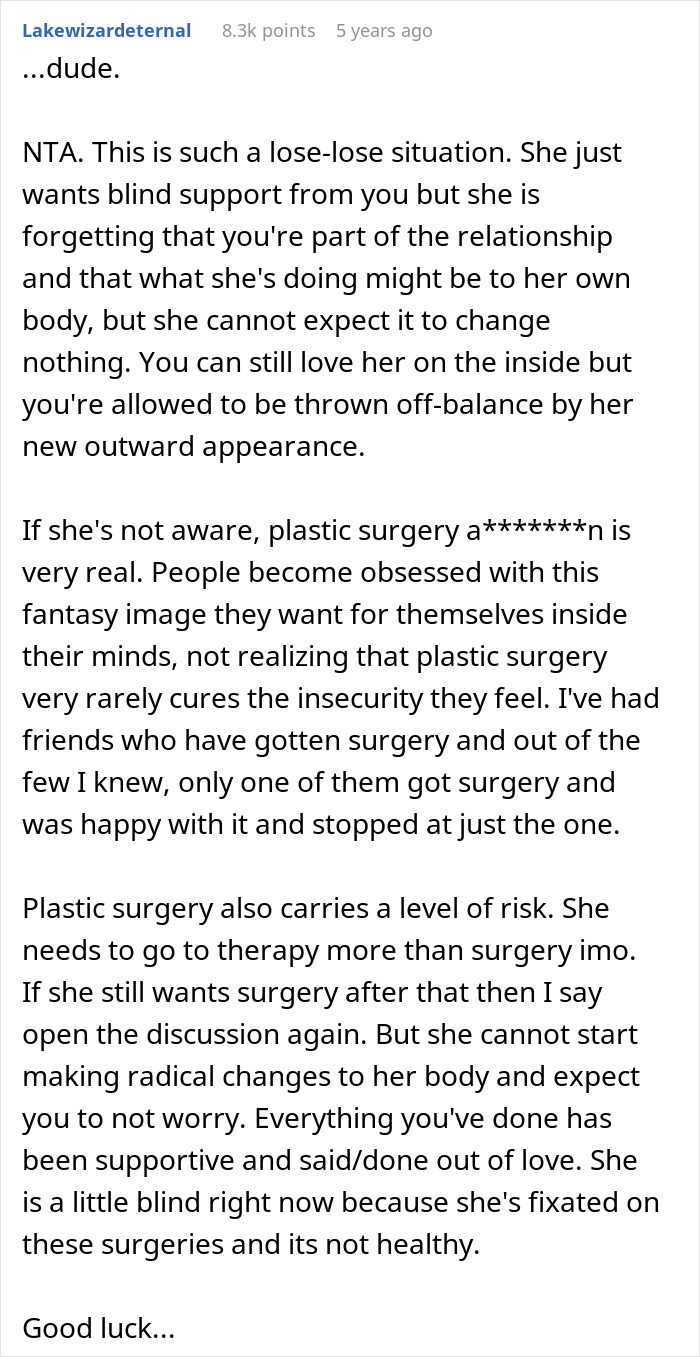
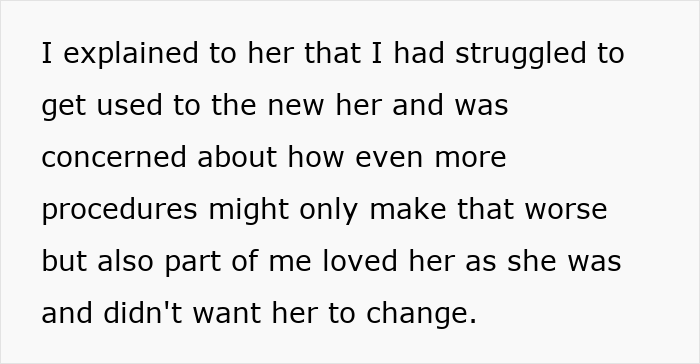
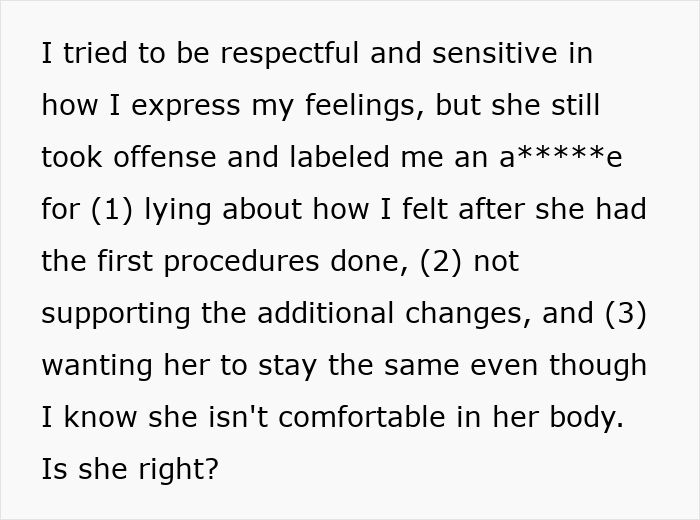
Image credits: Agitated_Island_2982
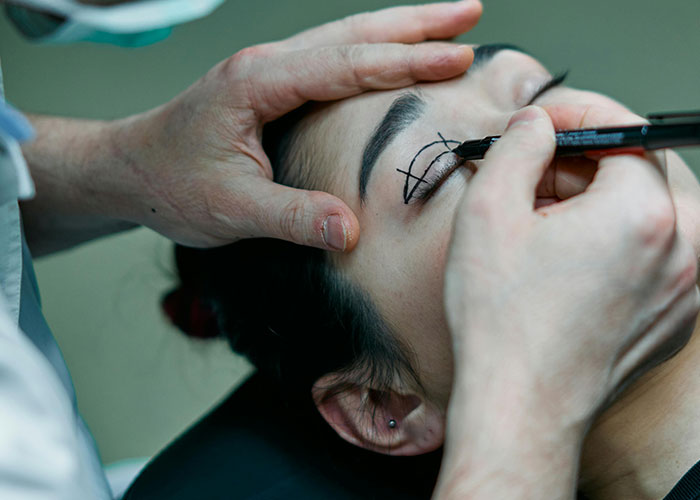
Image credits: cottonbro studio/Pexels (not the actual photo)
The way he communicated it aside, the husband might have a point.
Michael Reilly, MD, who completed a prestigious fellowship in Facial Plastic and Reconstructive Surgery at the University of California, Los Angeles Medical Center, and Nitika V. Tripathi, MD, a fourth-year resident in the Department of Otolaryngology – Head and Neck Surgery at MedStar Georgetown University Hospital, have an online blog called Dissecting Plastic Surgery.
In one of their posts, the doctors wrote that the number of cosmetic procedures in the US has dramatically increased over the last decade and that studies have identified two primary stimuli for seeking cosmetic surgery: 1) to raise self-esteem and 2) to improve self-image.
“While these factors are both considered by the plastic surgery community to be reasonable motives, it is important to recognize the potential effect that an underlying mental health disorder, such as Body Dysmorphic Disorder (BDD), a mood disorder, or a personality disorder may have on the desire to seek treatment,” Reilly and Tripathi explain.
According to them, BDD is common among people who have an interest in plastic surgery. It is characterized as a preoccupation with a slight or non-observable defect in appearance that is associated with obsessive thinking and compulsive behaviors and leads to a disruption in the activities of daily life. Compared to the 1–2% prevalence of BDD in the general population, rates of up to 7–15% have been identified in the cosmetic surgery population.
However, the prevalence of mood disorders is also much higher in people who get cosmetic surgery. One study discovered that 44% of them had suffered from a psychiatric disorder, most commonly depression and generalized anxiety disorder. Both conditions were found to be correlated with lower self-esteem and lower satisfaction with self-image.
“Several personality disorders are also known to be factors in the pursuit of cosmetic surgery,” Reilly and Nitika add. “Narcissistic personality disorder, defined by someone’s need for admiration and lack of empathy, has been found in up to 25% of people seeking cosmetic surgery, especially rejuvenation procedures. Similarly, 3–9% of cosmetic surgery patients can be categorized as having a histrionic personality disorder, which is classified as emotional excess with the need to gain the attention of others.”
Image credits: Pavel Danilyuk/Pexels (not the actual photo)
On an episode of the podcast Ten Percent Happier, host Dan Harris interviewed Charles Duhigg, a journalist and author of the book Supercommunicators: How to Unlock the Secret Language of Connection, about why people have such a hard time understanding each other during conversations.
Duhigg said the blueprint is simple:
But it’s not always easy to do in practice. The reason couples fail to follow this plan is because they aren’t picking up on what the other person is actually trying to communicate, Duhigg said.
“Two people will be in the same discussion and be having different kinds of conversations,” he explained. One is engaging in emotional reflection and the other is offering practical solutions.
And since they are not on the same page, their responses to one another are at best irrelevant and at worst frustrating.

By entering your email and clicking Subscribe, you're agreeing to let us send you customized marketing messages about us and our advertising partners. You are also agreeing to our Privacy Policy.
Thank you! You've successfully subscribed to newsletters!
13Kviews
Share on Facebook
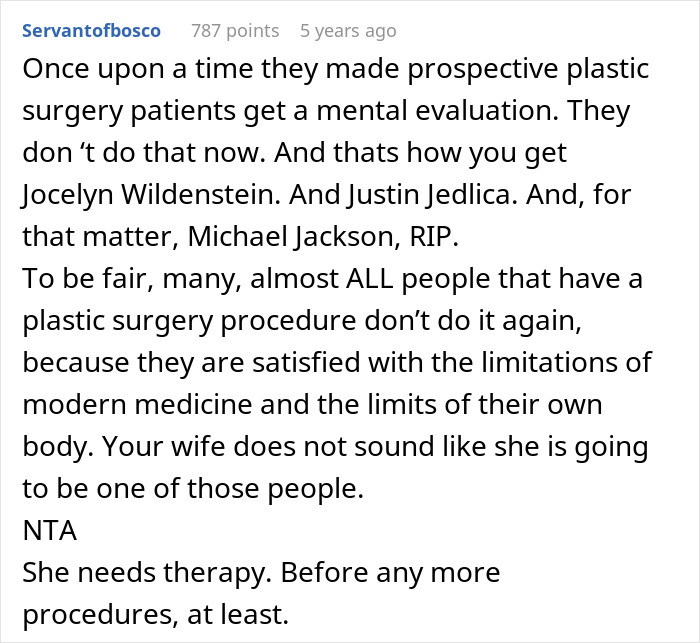
I agree with the comment bemoaning the fact that you no longer need a mental evaluation before undergoing major plastic surgery. Permanently altering your appearance in a major way should not be taken lightly or done to try to fix underlying mental health issues, including body dysmorphia.

Especially when trans people still have to jump through countless hoops to receive their gender-affirming procedures
Load More Replies...
This woman needs professional help, not more plastic surgeries. By what he says, the roots are deeper and none of her issues could ever be solved with more surgeries. It‘s about how she will never be satisfied with herself.

Sadly, in the US (which is where I think this is from), there's a market, and the expectation that if you can pay for it, you can get it. People there worry about healthcare providers profiteering off of medical needs...but then completely support this cash-for-service garbage.
Load More Replies...
I'm no expert, but I think there's a difference between fixing a functional-ish issue - crooked nose, droopy eyelid, flap ears - and altering your body type - from thin to full lips, small to big bréasts etc. The latter category seems to be based on unrealistic expectations on beauty patterns, and someone not happy with one type of beauty will probably not be comfortable with another type - regardless how successful the procedure even is.

It does sound as if the wife is trying to solve a problem that's much deeper than simply self-consciousness about a feature. One of my relatives didn't like his big nose, got a smaller one, and afterwards said, "Now I don't have to worry about how I look in profile." To me, that's a realistic expectation. The wife is seeking something unachievable.
Load More Replies... I agree with the comment bemoaning the fact that you no longer need a mental evaluation before undergoing major plastic surgery. Permanently altering your appearance in a major way should not be taken lightly or done to try to fix underlying mental health issues, including body dysmorphia.
Especially when trans people still have to jump through countless hoops to receive their gender-affirming procedures
Load More Replies... This woman needs professional help, not more plastic surgeries. By what he says, the roots are deeper and none of her issues could ever be solved with more surgeries. It‘s about how she will never be satisfied with herself.
Sadly, in the US (which is where I think this is from), there's a market, and the expectation that if you can pay for it, you can get it. People there worry about healthcare providers profiteering off of medical needs...but then completely support this cash-for-service garbage.
Load More Replies... I'm no expert, but I think there's a difference between fixing a functional-ish issue - crooked nose, droopy eyelid, flap ears - and altering your body type - from thin to full lips, small to big bréasts etc. The latter category seems to be based on unrealistic expectations on beauty patterns, and someone not happy with one type of beauty will probably not be comfortable with another type - regardless how successful the procedure even is.
It does sound as if the wife is trying to solve a problem that's much deeper than simply self-consciousness about a feature. One of my relatives didn't like his big nose, got a smaller one, and afterwards said, "Now I don't have to worry about how I look in profile." To me, that's a realistic expectation. The wife is seeking something unachievable.
Load More Replies...
















 No fees, cancel anytime
 then open in external browser


 and click "Open in External Browser"











27
16