Get Premium
Dark mode theme is available exclusively for premium users. Learn more about the benefits of subscribing.
No fees, cancel anytime.

 Dark Mode Ad-Free Browsing Unlimited Content
 Ad-Free Browsing Unlimited Content Dark Mode
Join 1.2 million Panda readers who get the best art, memes, and fun stories every week!
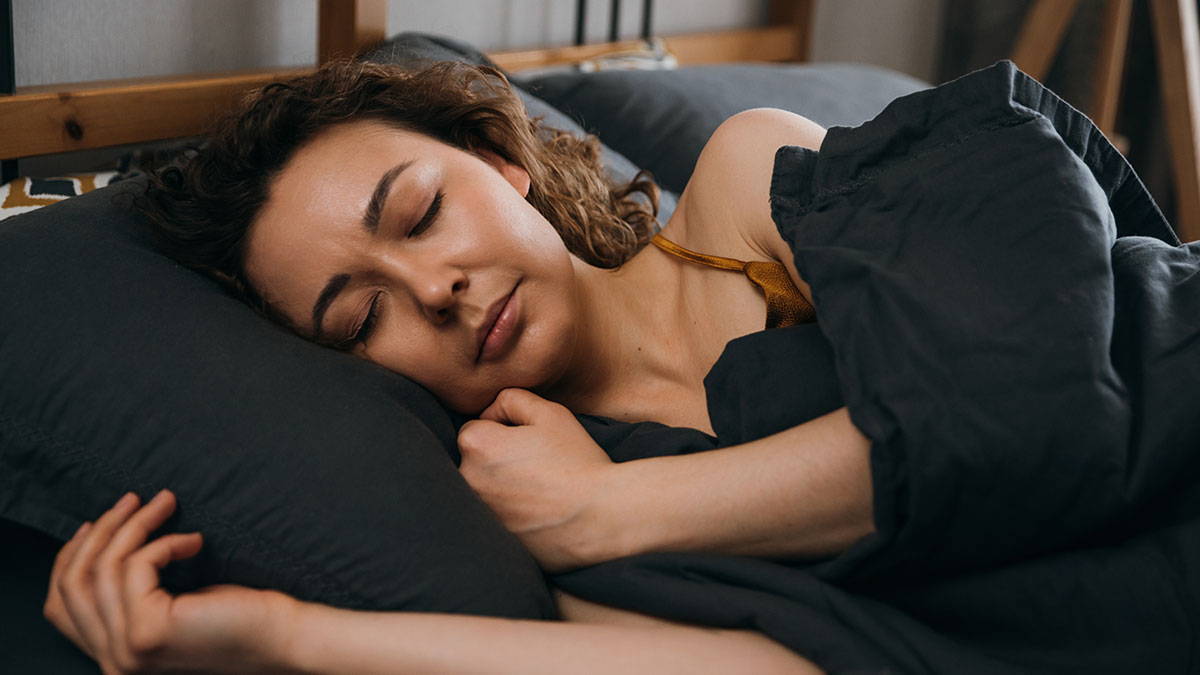


It's wild to think that we've grown organs in labs, built robots that can perform surgery, and started producing mind-controlled prosthetics, but we still don't know exactly how anesthesia works, or what's actually going on when a baby has colic.
For all the incredible progress made in modern science, it seems the human body continues to hold some stubborn secrets. Beneath our skin lies one of the most complex and mysterious systems in the universe, and experts are struggling to piece together how and why it all functions the way it does.
Someone recently asked doctors, "What’s a mystery about the human body that science still hasn’t fully explained?" and the answers came pouring in faster than you can say, "I really don't know." It wasn't only medical experts giving their two cents, but also ordinary people who've been met with blank stares after asking a doctor about something seemingly simple.
Bored Panda has put together a list of the best answers for you to scroll through while you wonder why you get goosebumps, talk in your sleep, or why yawning is contagious. May they serve as reminders that no matter how far we've come, we still have a long way to go.
This post may include affiliate links.
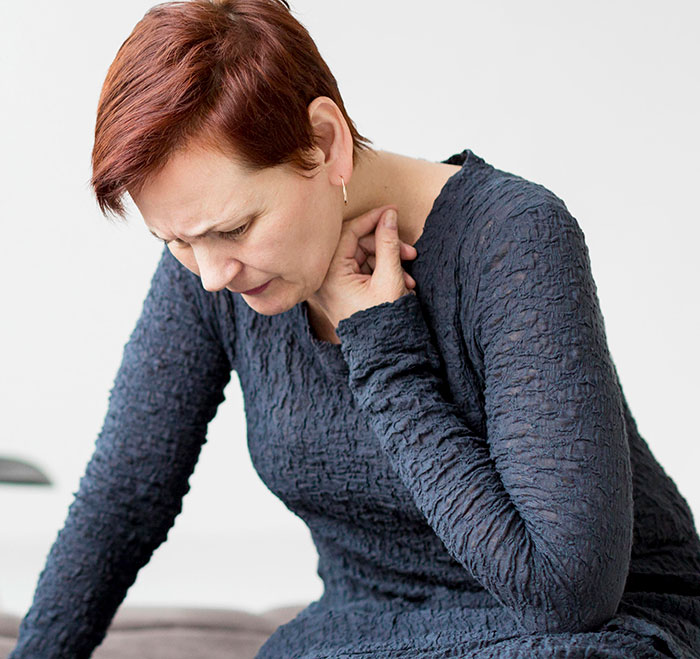 Whether or not women are sentient and experience pain. I mean, I feel like I know, but a lot of doctors don't seem to.
Have you ever wondered why we have fingerprints? Well, so have some scientists...
Initially, it was thought that the swirly patterns helped us to grip things. But it turns out that might not be the case. "Fingerprints actually allow less of our skin to come into contact with objects than perfectly smooth fingertips would," reports thehealthy.com.
According to the site, some theories about the evolutionary purposes of fingerprints include that they protect our fingers or provide touch sensitivity. But at the end of the day, scientists really don't know.
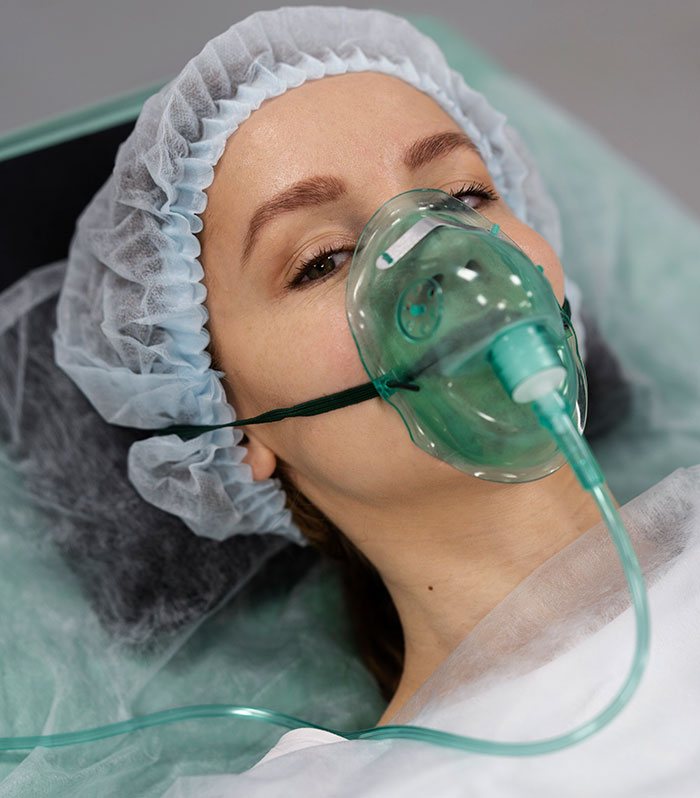 I was in hospital once and about to be put under sedation - I casually asked how Anesthesia works to which the anesthetist replied "We don't actually know".
When I got home I did some research - we don't know how anesthesia actually works, we just know that it does.
Another "shower thought" you might have had is why some people are left-handed while others are right-handed, or why we even need to have one dominant hand.
Only about 10% of people are left-handed, and the vast majority are right-handed. Should we not have evolved enough by now for us to use both hands equally?
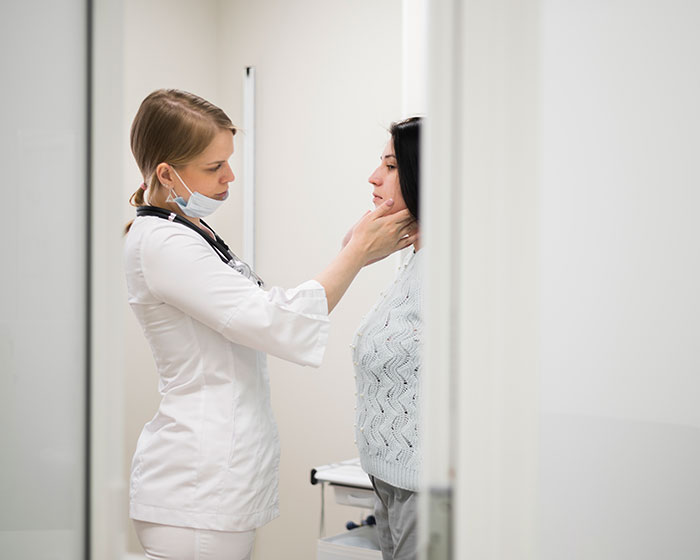 🎶 We never really studied the female body. 🎶.

Did you know scientists were given a grant to study endometriosis and instead of doing research on how to help those who suffer from it, they studied the attractiveness of people with it? And people with endometriosis were judged to be more attractive and have larger breasts? The article is now redacted at the request of the authors, who said this: "We conducted the study in good faith and according to correct methodology. We believe that our findings have been partly misinterpreted, but at the same time realize that the article may have caused distress to some people. Women's respect is a priority for us and we are extremely sorry for the discontent the publication originated." I will link the article below, BP hides links now.
 The immune system is just its own insane thing. My son is recovering from Guillain-Barré syndrome and what I have learnt is that the immune system just does random stuff sometimes and we don't know why and have to hope it calms down before it destroys something important. So unsettling honestly.

Our pediatrician described allergies as our immune system having a panic attack. I found that to be rather funny.
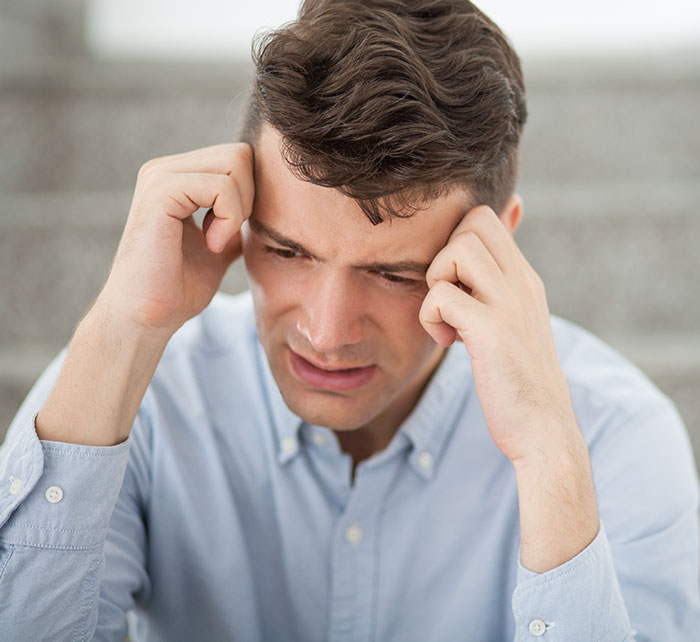 How the brain deals with damage. We can’t give recovery times, or predict outcomes as we just don’t know. The brain is remarkably resilient and fragile all at the same time.

The human brain is the most complex object in the known universe. Possibly the whole universe. If it was simple enough for us to understand it, we wouldn't be able to understand it!
"Some of the theories think it's because of the way our brains are wired," says American evolutionary psychologist and behavioral geneticist, Dr. Nancy Segal, adding that "Handedness does seem to have a genetic component that is inherited but there's no simple pathway from parent to child we're able to figure out."
Segal told CBS News that "lefties" often have a more dominant right side of their brain, while righties have a more dominant left side of their brain.
"Why is still a mystery," reports the outlet.
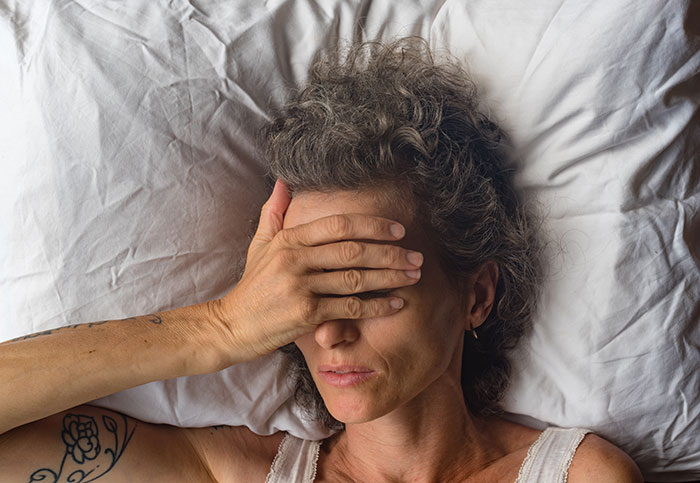 Autoimmune anything. I used to think it was pretty straightforward then I was diagnosed with a disorder. Everything is so hit and miss and open to interpretation, even bloodwork. I went from seropositive to seronegative at one point, how??? Do antibodies, rheumatoid factor, and ana just disappear? Or fluctuate? Depends on the rheumotologist you ask.
Symptoms all overlap for so many similar things and the treatments all work differently for different people until sometimes they randomly don't or do for awhile then quit. Maybe you have Lupus maybe you have Arthritis? Can't be sure so take this malaria medicine about it and let me know if you get mouth sores, your liver swells up, or it does nothing for no reason. Could be the meds, could be a flair.
Either way it's going to affect parts of your body you never knew interacted. How is your relationship with gluten and dairy because it's about to get weird. Which came first, the depression or the inflamation? No idea, but here's another four pills about it. You're hypermobile ever heard of Elors Danlos or pots? Similar but different but who knows... why did you come in again?
Fatigue 😩.

Then you throw in some nice mid life hormonal changes and everything that you learnt or did to manage your conditions changes.
 How placebo meds have actually made a big difference in disease treatment.
I basically had the insides of my mouth cut open to extract a tooth that was deep inside. The night after that happened, I took an antacid instead of a painkiller but the placebo effect allowed me to sleep well
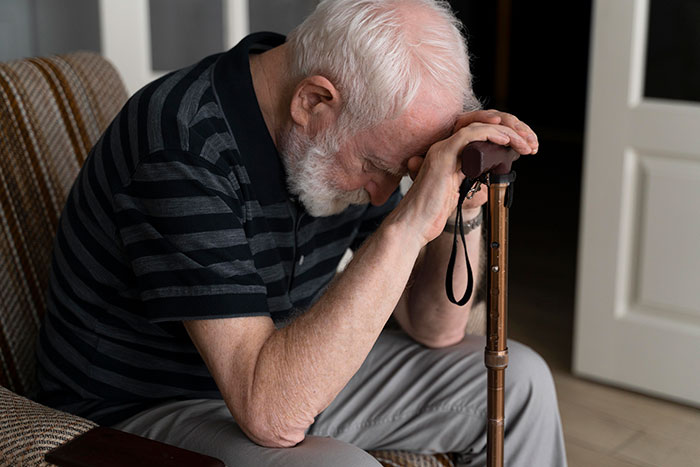 ALS.
ALS.
It's a horrible disease with no cure, no real treatment, no known cause, and 100% death rate. Diagnosis is often only through a lengthy process of elimination. Typical life expectancy after diagnosis is 2-5 years. It causes slow, progressive degeneration and loss of muscle function leading to paralysis. Probably something autoimmune related which is its own can of worms.
It has at least 3 common names for the same thing:
Amyotrophic Lateral Sclerosis (ALS)
Lou Gherig's Disease
Motor Neuron Disease (MND).

my Auntie died of MND its horrible seeing how she changed her and my mum are identical twins but before she died she look like she was about 10 years older its a very cruel disease
Then there's the issue of dreaming... Why do we do it? What's the point?
“Humans spend nearly a third of their lives asleep, yet science has still very little understanding of how and why we dream,” reveals Health and Wellness expert, Caleb Backe.
According to thehealthy.com, dreaming occurs during REM sleep, and our heart rates increase when we dream. As with other mysteries, scientists are divided about what purpose dreaming actually serves.
 There is still no single concrete scientific model for what consciousness is.
We know that the brain is a network of neurons that send electrical signals to each other, something like a complex computer. We can observe the functioning of the hardware through functional magnetic resonance imaging (fMRI) scans. We can even identify which parts of the brain are active when we feel happiness, sadness, or recognize a face.
But we have no idea how this electrical and chemical activity results in the creation of the subjective, first-person perception of seeing the color red, feeling heat, or possessing a sense of self. This is what philosophers call the hard problem of consciousness.
We are becoming extremely good at imitating the functions of the brain with artificial intelligence, but we haven't even begun to try to imitate the experience itself. It is the greatest mystery that exists.
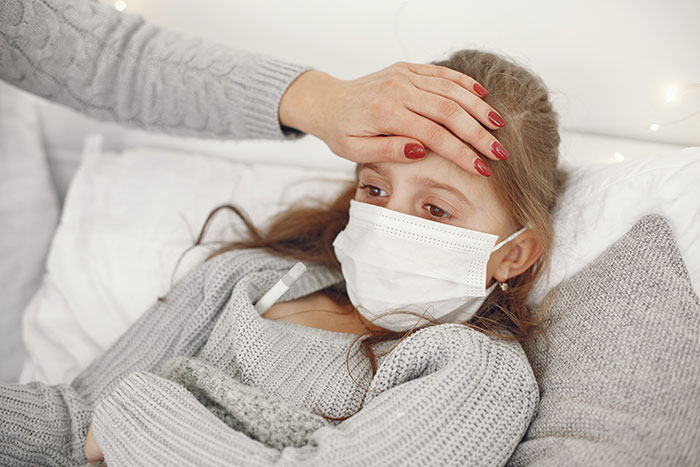 How acetaminophen works. For the record, I'm not in any way talking about autism here.
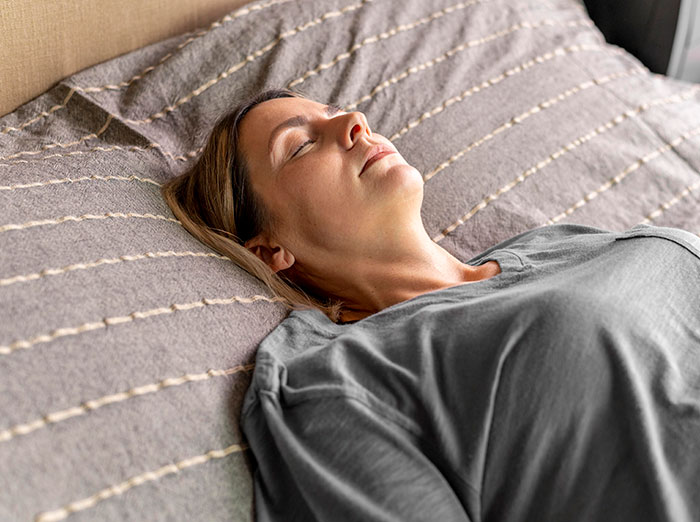 I'm not a doctor, but I'd really like to know what dreams are and why we have them. What's the point of them?! It's completely fascinating and I'm nowhere near smart enough to understand most of the human body, but I'd still love to know why I have my own cinema hall in my brain but only when I'm asleep.
And also w*f that house I keep dreaming of is. I've never lived in it. None of my friends have ever lived in it. I do not recognize it at all.

Information processing, long-term data storage, RAM cache clearing, trash emptying.
"A popular theory suggests that dreaming is how your brain sorts through the memories of the day, deciding which ones are valuable and which are irrelevant," reports the site.
"Other scientists, though, believe that dreaming actually serves no real function and that it’s just what our unconscious mind does when untethered by our awake selves," it adds.
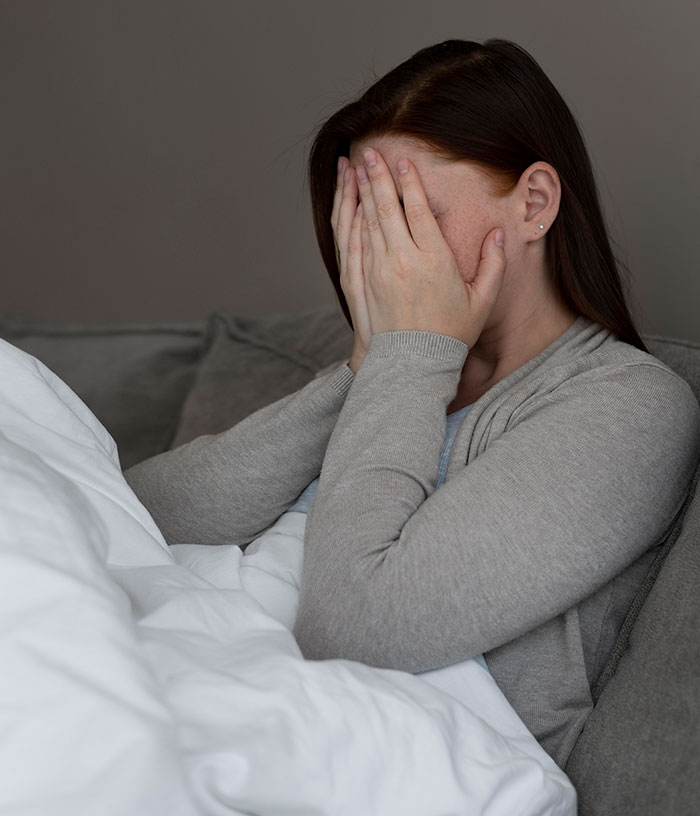 The microbiota, dysfunctions in which likely explain at least a few functional disorders that we don’t understand e.g. IBS.
People with IBS have symptoms but otherwise will have completely normal gastrointestinal investigations, ie there is no structural problem that can be conventionally identified.
Increasingly it’s thought that IBS may be a disease of disordered microbiota which in itself isn’t well understood. The microbiota even more mysteriously seems to have some connection to the brain and mind itself which may be why IBS is often comorbid with psychiatric problems like anxiety and depression.
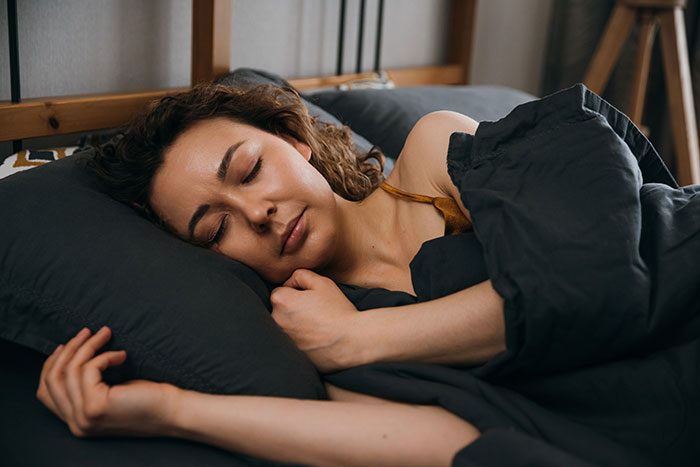 Exactly why we need sleep and how it works. We have a general sense, but can’t explain it beyond the brain needs it.
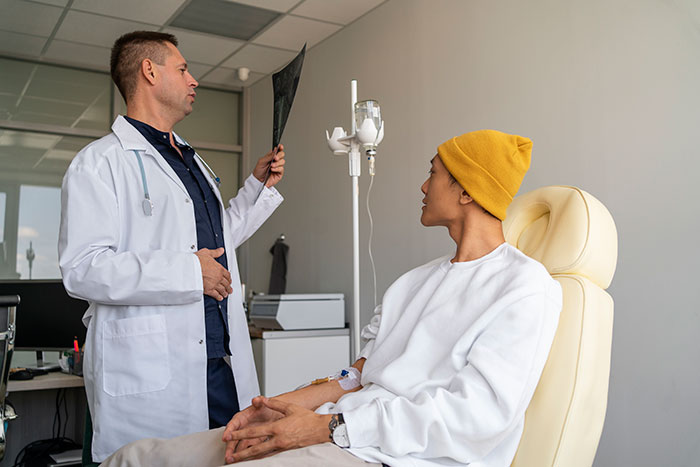 Not a doctor, but recently went through cancer treatment. One of the medications I was on is designed to stimulate white blood cell production, but a nasty side effect is that it can cause your bones to hurt.
Antihistamines work REALLY well to stop the pain, and no one knows why.

White blood cells are produced in the bone marrow so that explains why your bones hurt. Antihistamines block histamine receptors. Histamine receptors can sense pain and cause swelling so this is not a mystery. We know why.
Apart from the general mysteries about the human body, there are many individual medical cases that still remain unsolved. Take the girl who never aged, for example...
As Reader's Digest reports, Brooke Greenberg passed away in 2013, at the young age of 20. "But she didn’t look like your average 20-year-old because her body had stopped developing at the age of 5. Her hair and nails were the only parts of her body that continued to grow year by year," reads the site.
 Colic. The bane of my pediatric specialty.
Oh your kid screams uncontrollably for hours on end? Welp just don’t shake your baby. Good luck!
 When I was choosing major back in my college days, I had many discussions with professors that essentially reduced to:
- a doctor never truly understand how to fix a patient's problem (or even why a medicine works), but
- an engineer can truly expect to resolve a machine's root problem, because there is always a logic to how things work (or not work).
So I chose engineering and stayed in it for 40 years. No regret.
It's a phenomenon that doctors just could not explain, no matter how hard they tried.
"Numerous DNA studies showed no abnormalities in her genes associated with aging, nor did her parents have a history of abnormal development. Plus, all her sisters were normal and healthy," Reader's Digest notes, adding that scientists refer to her condition as Syndrome X, a metabolic syndrome.
"Yet her unusual condition remains unexplained by science," the site concludes.
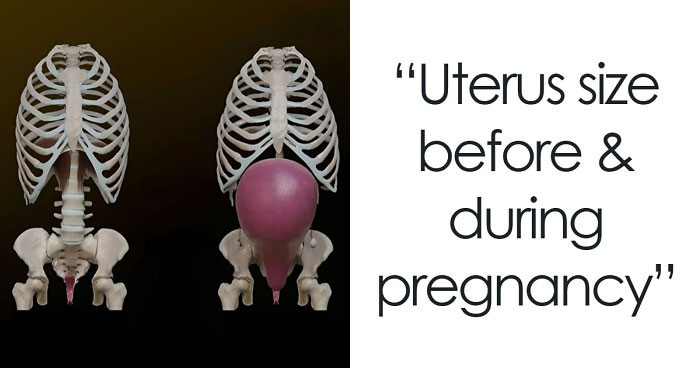
 Most things related to pregancy. Also pathologies like eclampsia is not wekk understood. Babies are also pretty wild. .
 It gets really fun when you take two "we don't really know" areas, like women's health and ADHD, smash them together and take it to your doctor for questions. So much fun, that. .
ADHD gives me an amazing super power I can be looking at someone while they are talking to me and not hear a thing they say
 Endometriosis. It’s severely underresearched with no real known cause for why the body will do that. Severely painful to live with and affects more than just “bad periods”. Mine would trigger my sciatic nerve I believe and would cause major weakness in my legs to the point I began using a cane on a daily basis before I had a hysterectomy.
As I mentioned in a comment earlier: Researchers were given a grant to study endometriosis! And they used it to to study the attractiveness of people with it!
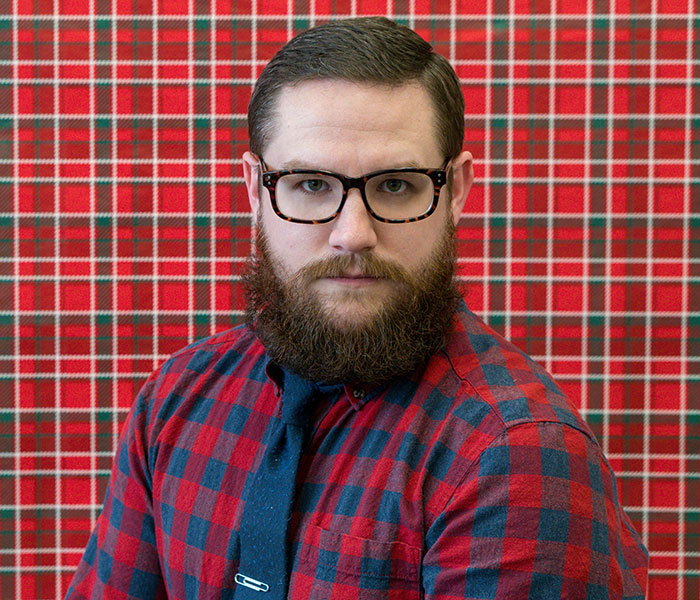 HOW DO WE KNOW SOMEONE IS STARING AT US? No wires, no noises, just a psychic feeling. We even get the direction right most of the time.
a sense left over from when we were less evolved to detect predators maybe
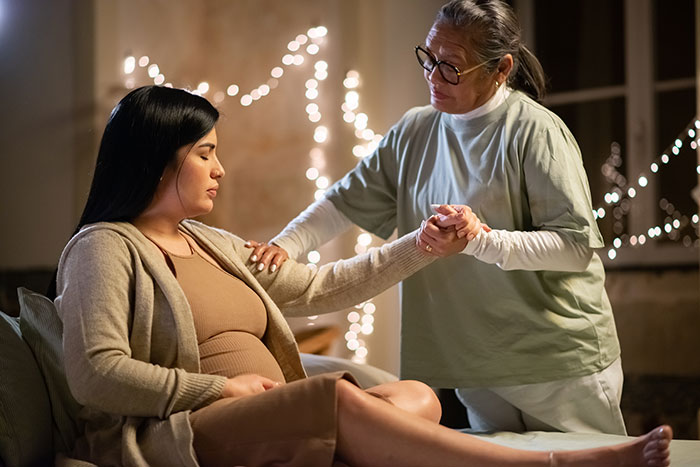 Not 100% sure what kickstarts labour. We know how it proceeds, but the trigger is not 100% confirmed/known. A popular theory is the excretions from the lungs of the infant signalling the placenta to get the ball rolling.

Once you get to term, a nice bumpy car ride triggers labour nicely. Works for pets too.
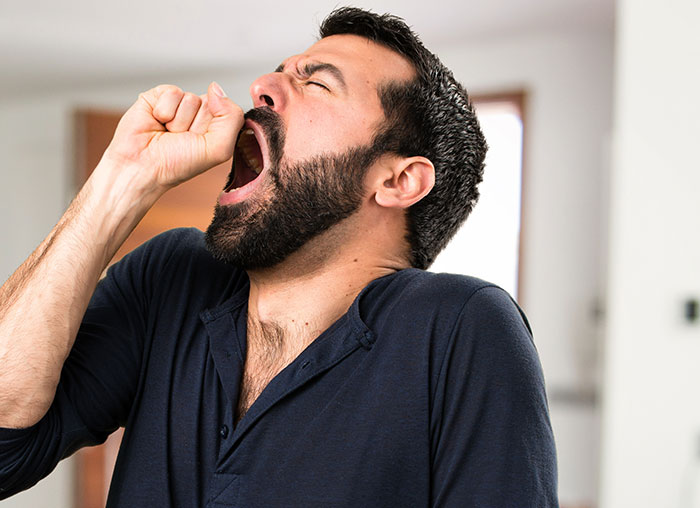 Not a doctor, but I haven't been able to get an answer for why we yawn or why it can be 'contagious'.

I was always told that it was to increase oxygen/decrease carbon dioxide... Not saying that is the truth, but how it was always explained away
 Why carbon decided one day it has stuff to do.

C H O N, four of the commonest elements in the universe. Four of the commonest elements in the human being.
 Massage therapist here, and I have one. You know when you have those places that hurt when pressed into? If you press into them and hold pressure, they go away sometimes and sometimes they don't. We don't know why. We don't even really know what those areas of pain (when you press on them) really are.
 The mechanism of the photic sneeze reflex - why some people sneeze when they go out in bright light.

Prosit edit: found this explenation on YT 𝗁𝗍𝗍𝗉𝗌://𝗐𝗐𝗐.𝗒𝗈𝗎𝗍𝗎𝖻𝖾.𝖼𝗈𝗆/𝗌𝗁𝗈𝗋𝗍𝗌/𝟫𝗅𝟦𝗀𝗈𝗃𝖹𝖢𝖡𝟤𝖨
 Most of it isn’t fully explained. Most of it is partially explained. A lot of engineering-types of people come into the hospital expecting the body to be explained- if there’s a problem you simply need to find the bug and fix it let me see the data I can do it myself - and then they get wildly disappointed when symptoms and lab values and imaging don’t correlate one to one, that medications have side effects that sometimes are worse than the problem they are meant to solve, and that replacement of one organ doesn’t fix the rest of the organs that are failing, even if the damage was all related to the first organ. The idea that humans and their body parts have a life span is both innate understood and yet impossible for many people to comprehend. Anyway- there’s more that we don’t know than that we know about how it all works. That’s why science funding and high quality research are important to fund.

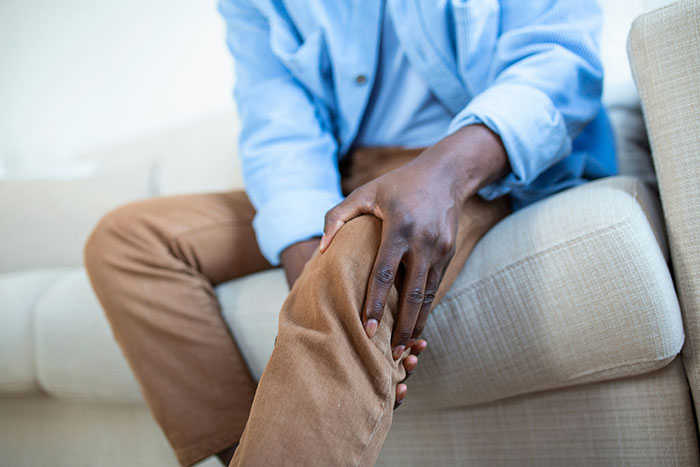 Fibromyalgia.

I have fibromyalgia and I am constantly in pain. The pain gets worse when it gets cold and every simple common pain becomes a thousand times worse. I'm bed now and my whole body hurts. I feel pain every day, all the time.
 Epilepsy/Seizures.
Most people don’t realize this, but in around 60–70% of epilepsy cases, doctors can’t find a clear cause. It’s not that the cause doesn’t exis.
it’s just that our current tests can’t detect it yet. Epilepsy can come from tons of different things (genetics, brain injury, infections), but for most patients, it ends up being labeled as “unknown cause” or “idiopathic. Or in my case STRESS. W*f
Science still has a lot to figure out about what’s going on under the surface.
Gabapentin a d**g commonly given for Epilepsy/Seizures. It's mechanism of action in any medical text is "unknown" but it's life changing for some people.
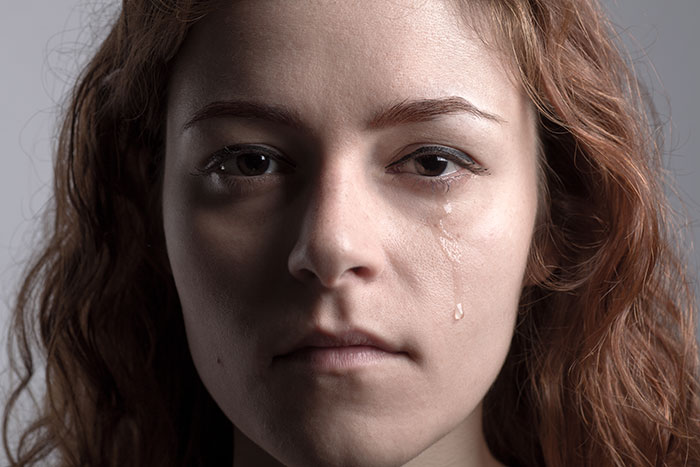 Last time I checked, the question of why we cry tears hasn't been fully answered.
Also, the effect of lithium as a mood stabilizer.
 Why identical twins, where the embryo splits at the beginning of pregnancy, occurs.
How we lose accommodation ( our ability to read small print). We have a lot of theories but no concrete explanation as to why. The lens continues to grow throughout our life but it becomes more biconvex which should add plus power to the eye but it doesn't. The ciliary muscle remains functional well into the 90th decade. The lens zonules remain attached and functional throughout life. We think it's a change of all the above. But, no smoking gun. This is why you can ask 10 different eye doctors why we lose our ability to read small print and each have a different reason why.
90th decade... we're living to 900 now, because I didn't sign up for that
Your scientists have yet to discover how neural networks create self-consciousness, let alone how the human brain processes two-dimensional retinal images into the three-dimensional phenomenon known as perception.
Ophthalmologists know. The rest is how the brain hallucinates and fills in the missing dimensional sense.
 Frozen shoulder! We know who it tends to affect (mainly middle aged people, diabetics), but the why isn'tfully understood.
I was heading in that direction, with both rotator cuff and bicep tendonitis bilaterally. My rheumatologist gave me some exercises. I do them regularly and they keep things under control.
Just the brain full stop. Our understanding of how brain leads to "us", is laughably weak.
The human body is so incredibly complicated that it’s a miracle it’s able to function at all.
To add to that, a miracle that a human body functions in every stage of growth from a single cell right up to a full grown adult.
I’m an anesthesiologist. And … we don’t really know how a lot of anesthetic agents actually work.
Genetics. How was I born with my grandmother's chestnut hair color, my Dad's green eyes and small hands, and my mother's hips and beautiful fingernails? There are six of us. We all look different with pieces of other relatives showing up in facial features, hair color etc.
The question of what exactly causes birth to start is unknown.
I don’t think we’ll ever fully understand the human mind.
We would need a far more complex mind to do that. And we still wouldn't be able to understand THAT!
 Why are men?
Medicine is a science, and like all science it changes daily based on new information. What we KNOW now was not what they KNEW then and they will KNOW more in the future. All we can hope for is that people keep pushing for answers and don't fall stagnant.
Great answers above. All of them. I'll add one, why do humans get lung cancer from smoking when all normal laboratory animals don't?
There have been questions raised as to a link between smoking and car pollution, but I can't remember where I heard it.
Load More Replies...
There is so much that we didn't know until the human genome was fully sequenced. It was only after this that we were able to find out what the condition my brothers had was (20 & 12 years after they died). It was so rare that our paediatrician had only seen one other patient with what he thought was the same thing, and that was in a different country. Now there are somewhere between 75 and 150 cases known world-wide. It just blows my mind that it is only by looking at one set of genes that they could see were both faulty (from a muscle biopsy taken prior to their death) that it could be identified. And it was a one in four chance that my parent's children would have both of them being faulty, and two of five kids had it. The other three of us have a two in four chance of being carriers and one in four chance of not. Thankfully, it being so rare means anyone we want to reproduce with is unlikely to be a carrier, even if we are.

Last year, my 68-year-old partner was diagnosed with Lou Gehrig's disease also known as ALS. Speaking and swallowing were two of his challenges. His collapse was swift and catastrophic, and neither the riluzole nor the medical staff did much to aid him. He would not have survived if our primary care physician hadn't given him attentive care and attention, as the hospital center didn't provide any psychological support. His fall was abrupt and catastrophic. His hands and legs gave way to weakness in his arms. This year our family physician suggested using ( UINE HEALTH CENTRE ) ALS/MND protocol, which my husband has been receiving for a few months now. and it has changed everything., he no longer requires a feeding tube, sleeps soundly, works out frequently, and is now very active. In the hopes that it could be useful, I thought I would relate my husband's tale; in the end, you have to do what suits you the best. We got the ALS/MND herba formula from ww w. Uinehealthcentre. net

ALS Formula treatment from Aknni herbs centre, It has made a tremendous difference for me (Visit ww w. aknniherbscentre.c om). I had improved walking balance, increased appetite, muscle strength, improved eyesight and others.
My first ALS symptom occurred in 2016, but was diagnosed in 2018. I had severe symptoms ranging from shortness of breath, balance problems, couldn't walk without a walker or a power chair, i had difficulty swallowing and fatiue. I was given medications which helped but only for a short burst of time, then I decided to try alternative measures and began on ALS Formula treatment from Aknni herbs centre, It has made a tremendous difference for me (Visit ww w. aknniherbscentre.c om). I had improved walking balance, increased appetite, muscle strength, improved eyesight and others.

Quite a few duplicate posts above, but just proves that medicine is more of an art than an exact science.
Medicine is a science, and like all science it changes daily based on new information. What we KNOW now was not what they KNEW then and they will KNOW more in the future. All we can hope for is that people keep pushing for answers and don't fall stagnant.
Great answers above. All of them. I'll add one, why do humans get lung cancer from smoking when all normal laboratory animals don't?
There have been questions raised as to a link between smoking and car pollution, but I can't remember where I heard it.
Load More Replies... There is so much that we didn't know until the human genome was fully sequenced. It was only after this that we were able to find out what the condition my brothers had was (20 & 12 years after they died). It was so rare that our paediatrician had only seen one other patient with what he thought was the same thing, and that was in a different country. Now there are somewhere between 75 and 150 cases known world-wide. It just blows my mind that it is only by looking at one set of genes that they could see were both faulty (from a muscle biopsy taken prior to their death) that it could be identified. And it was a one in four chance that my parent's children would have both of them being faulty, and two of five kids had it. The other three of us have a two in four chance of being carriers and one in four chance of not. Thankfully, it being so rare means anyone we want to reproduce with is unlikely to be a carrier, even if we are.
Last year, my 68-year-old partner was diagnosed with Lou Gehrig's disease also known as ALS. Speaking and swallowing were two of his challenges. His collapse was swift and catastrophic, and neither the riluzole nor the medical staff did much to aid him. He would not have survived if our primary care physician hadn't given him attentive care and attention, as the hospital center didn't provide any psychological support. His fall was abrupt and catastrophic. His hands and legs gave way to weakness in his arms. This year our family physician suggested using ( UINE HEALTH CENTRE ) ALS/MND protocol, which my husband has been receiving for a few months now. and it has changed everything., he no longer requires a feeding tube, sleeps soundly, works out frequently, and is now very active. In the hopes that it could be useful, I thought I would relate my husband's tale; in the end, you have to do what suits you the best. We got the ALS/MND herba formula from ww w. Uinehealthcentre. net
ALS Formula treatment from Aknni herbs centre, It has made a tremendous difference for me (Visit ww w. aknniherbscentre.c om). I had improved walking balance, increased appetite, muscle strength, improved eyesight and others.
My first ALS symptom occurred in 2016, but was diagnosed in 2018. I had severe symptoms ranging from shortness of breath, balance problems, couldn't walk without a walker or a power chair, i had difficulty swallowing and fatiue. I was given medications which helped but only for a short burst of time, then I decided to try alternative measures and began on ALS Formula treatment from Aknni herbs centre, It has made a tremendous difference for me (Visit ww w. aknniherbscentre.c om). I had improved walking balance, increased appetite, muscle strength, improved eyesight and others.
Quite a few duplicate posts above, but just proves that medicine is more of an art than an exact science.




















 No fees, cancel anytime
 then open in external browser


 and click "Open in External Browser"