Get Premium
Dark mode theme is available exclusively for premium users. Learn more about the benefits of subscribing.
No fees, cancel anytime.

 Dark Mode Ad-Free Browsing Unlimited Content
 Ad-Free Browsing Unlimited Content Dark Mode
Join 1.2 million Panda readers who get the best art, memes, and fun stories every week!
We’ve all heard it or seen it in countless movies, the U.S. is painted as the land of opportunity, freedom, and endless possibilities. But beneath that glossy image lies another reality that rarely makes it to the big screen. Time and again, people online have shared stories that reveal the less glamorous side of American life, the everyday struggles and surprising truths that show it’s not always as picture-perfect as Hollywood makes it seem.
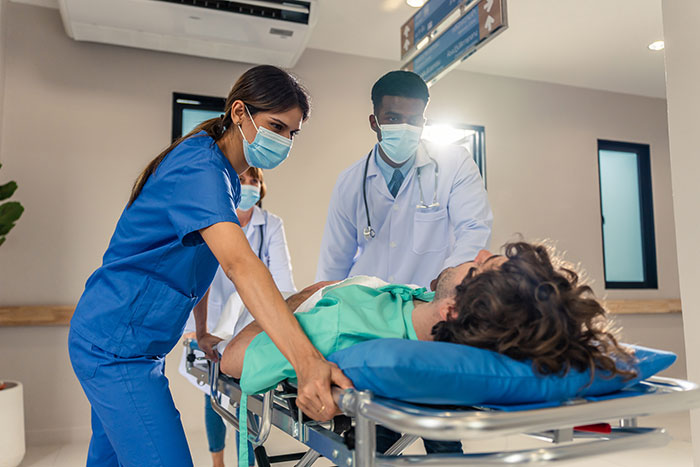
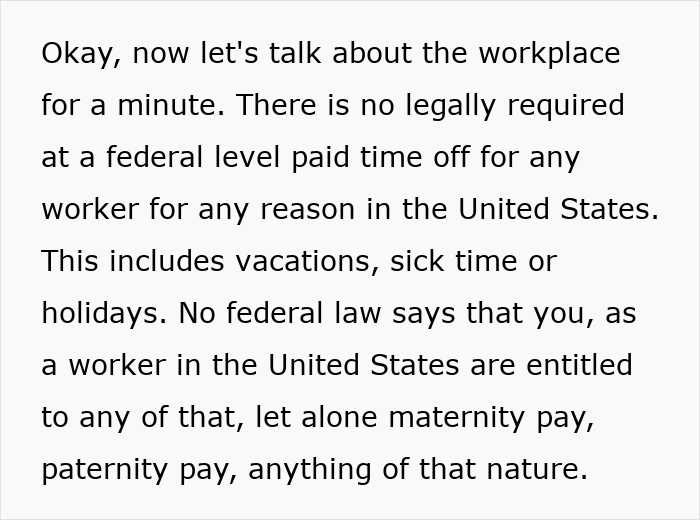
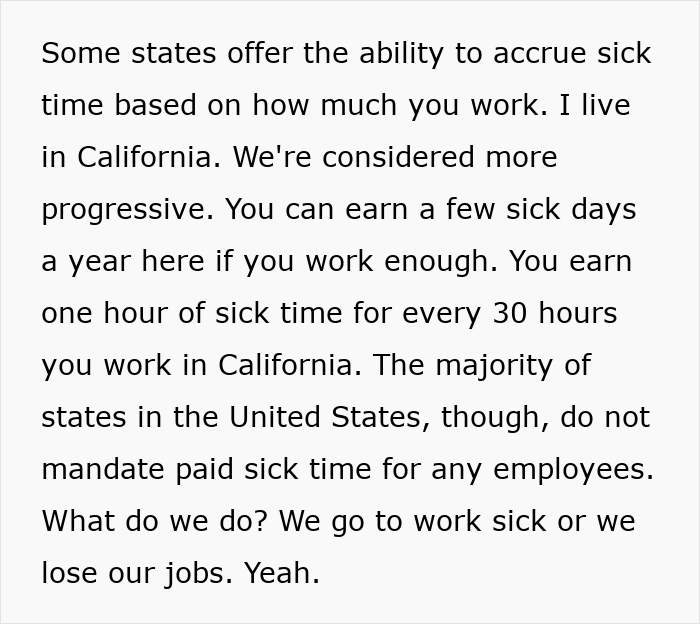
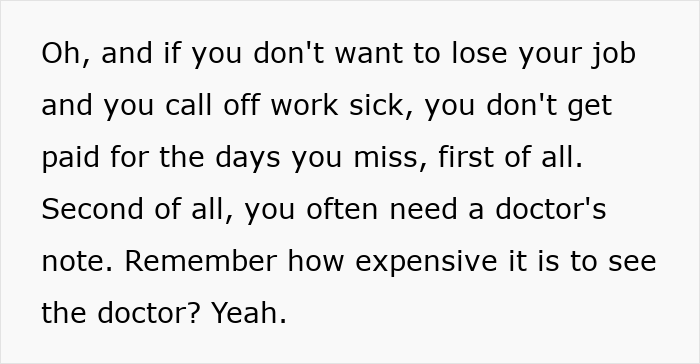
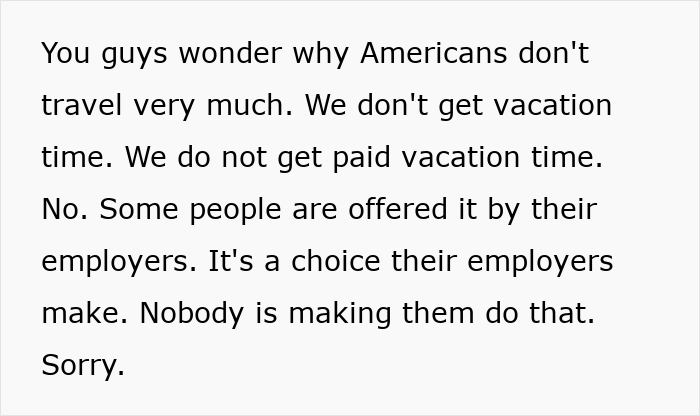
For instance, a TikTok user recently shared a breakdown of how expensive some everyday essentials can be in the U.S. — from maternity care to basic healthcare costs. Their video quickly sparked conversations around how something as simple as getting medical help can turn into a financial nightmare for many Americans. Keep reading to see what they had to say, and why so many people, especially abroad, were left stunned.
Image credits: madeline_pendleton
@madeline_pendleton Replying to @Kelly Sloan ♬ original sound – Madeline Pendleton
Of the 8.06 billion people living on Earth in 2024, about 4.09 billion were men and 4.05 billion were women, meaning women make up nearly half of the global population. That makes it even more important to talk about women’s healthcare, awareness, and the rising costs tied to it. From essential checkups and menstrual care to pregnancy and childbirth, these aren’t luxuries, they’re basic needs. Yet for millions, especially in certain countries, accessing proper care often comes with a heavy financial burden.
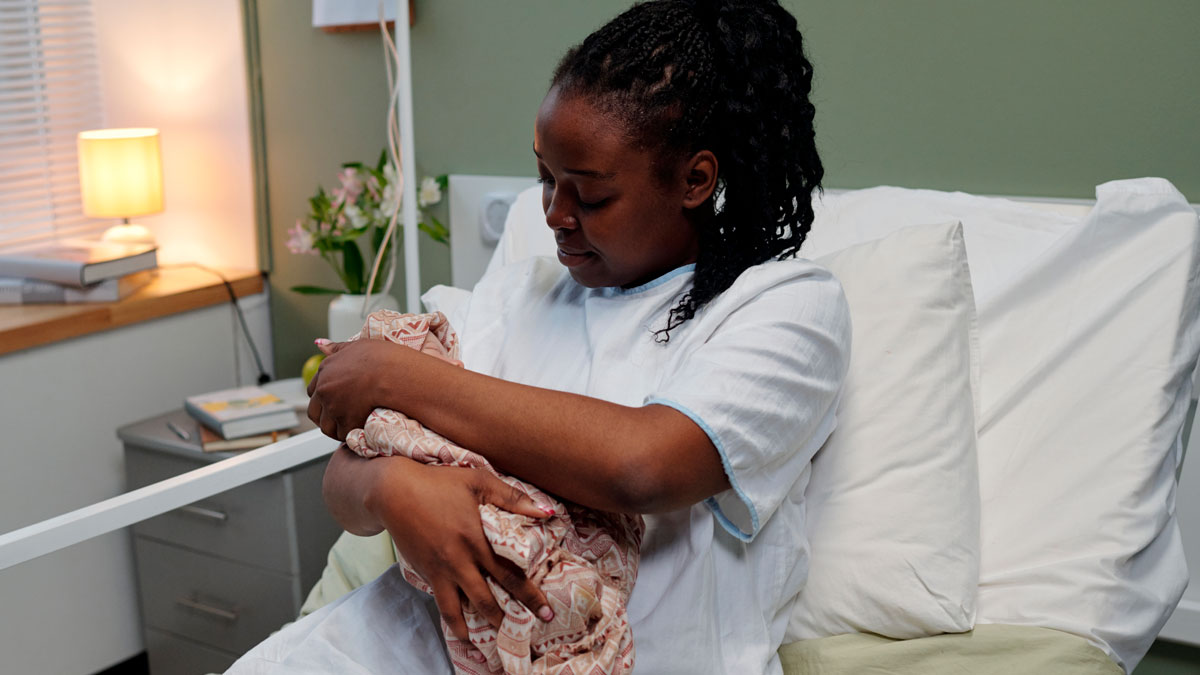
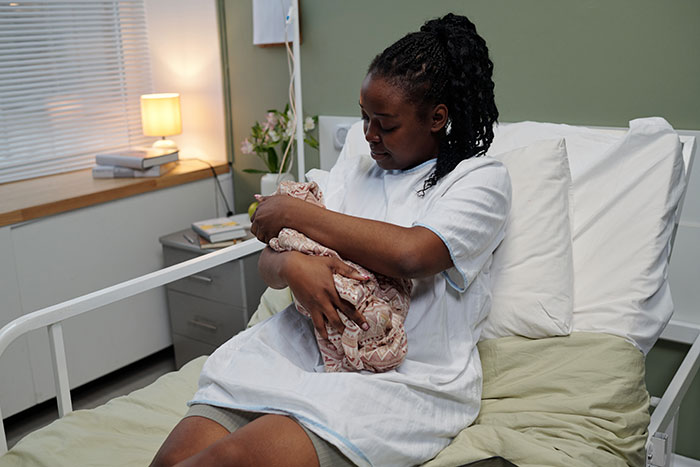
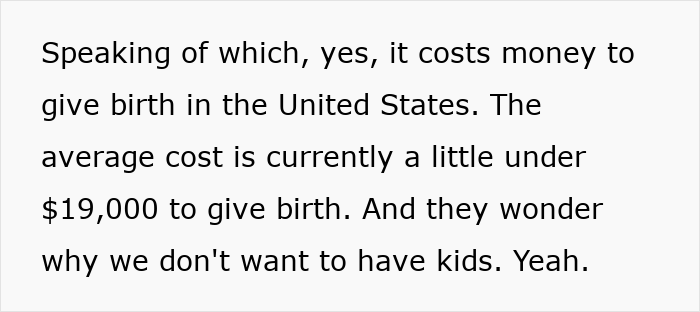
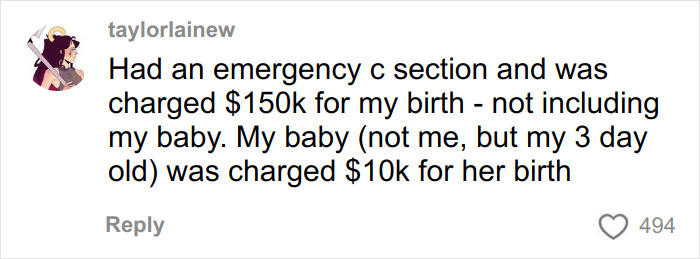
According to Statista, in 2022 the median cost for a vaginal delivery in a U.S. hospital was $8,655, the highest among the countries studied. To put that in perspective, the same procedure in Germany cost only $1,361. That’s a difference of over seven thousand dollars for the same experience of bringing a child into the world. These numbers highlight how healthcare accessibility varies drastically depending on where you live, and how, for many Americans, even starting a family comes with a heavy financial burden.
The disparities don’t end there. In Australia, the cost of a vaginal delivery was around $5,318, while in Greece it averaged $3,755, and in South Africa about $1,810. The U.S. also had the highest prices for C-sections, which cost around $16,106 per procedure compared to Germany’s much lower rates. These staggering figures raise tough questions about affordability and priorities. For many families, the cost of childbirth is not just a medical expense, it’s a financial decision that shapes their future.
Beyond childbirth, even something as routine as managing menstruation can be financially challenging for millions. The United Nations has pointed out how the high cost of menstrual products, coupled with limited access to water and sanitation facilities, drives period poverty worldwide. Many girls and women are forced to choose between buying food or pads, a heartbreaking reality. UN experts also note that “pink taxes” and gender-blind policies worsen the issue, as feminine hygiene products are often taxed as luxuries rather than essentials.
Image credits: Karola G (not the actual photo)
In the United States, the world’s third-largest market for feminine hygiene products — the spending numbers are massive. Revenues are expected to hit $5.8 billion by 2029. In 2024 alone, sales of sanitary napkins and tampons reached $3.87 billion, with sexual health items following closely behind at $1.7 billion. These figures show how women are continually paying a premium for basic care items, and while companies profit, affordability remains a pressing issue for millions.
In 2024, the feminine hygiene market across Europe generated $7.7 billion, with steady growth projected for the coming years. In Italy alone, consumption of intimate hygiene products reached over €300 million in 2023. While access and awareness have improved, the costs still weigh heavily, especially for low-income women and young girls. The growing market highlights demand, but also emphasizes the lack of affordability that continues to divide access by income level.
Whether it’s childbirth or monthly menstrual products, the costs surrounding women’s health are undeniably high, and in some places, alarmingly so. These expenses add up over a lifetime, creating economic inequality that disproportionately affects women. It’s a reminder that true gender equality isn’t just about rights or representation, it’s also about access to affordable, dignified healthcare. Globally, better policies, awareness, and investment are needed to ensure that every woman can care for her body without breaking the bank.
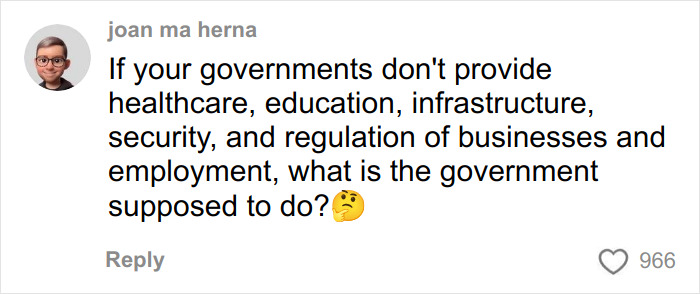
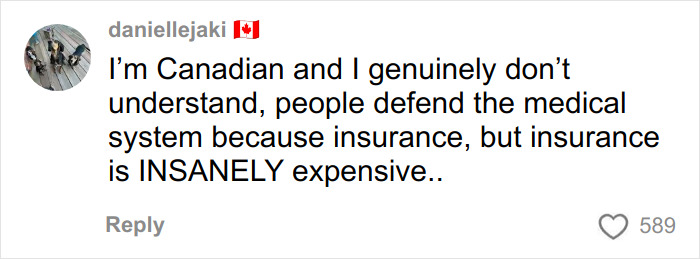
This video shines a light on the heavy financial burden of healthcare in America. Where are you from, and how much does healthcare cost in your country? Is it as expensive, or more affordable? Share your experiences and let us know how healthcare impacts daily life where you live.
Image credits: Engin Akyurt (not the actual photo)


By entering your email and clicking Subscribe, you're agreeing to let us send you customized marketing messages about us and our advertising partners. You are also agreeing to our Privacy Policy.
Thank you! You've successfully subscribed to newsletters!

I'm from England, and people often complain about the NHS. I work for the NHS and will freely admit it isn't perfect and there are lots of issues with it, including long wait times for some procedures. We pay for the NHS through a tax called National Insurance, which is 8% of your pay (which also goes towards state pension as well as other things), and this allows the NHS to be free at point of care, regardless of condition (dental work, glasses and prescriptions still need paying for, but there are certain NHS contributions towards these as well).

The NHS hasn't been funded by national insurance for several years now. That ringfence was removed and the NHS is now funded through general taxation. National insurance payments are now used almost exclusively to fund the state pension.
Load More Replies...
I'm from Russia and I am a bit shocked. Guys, things are better IN RUSSIA. Seriously. We have free medicine (not the best, but free), mandated vacation (28 days per year), if someone takes a sick leave, they get paid for it. And it's like... Normal. Oh, and you can give birth in the hospital for free (again, service is not the best, but...) and you also get three years of paid maternity leave. Three years. Per child. If you have a second one in these three years, you get another maternity leave. By the way, we have USSR to thank fot it. Yeah, it did many bad things, but it did many good things too, our social sistem is still not the worst.

Similar in Romania, except 2 years paid maternity leave, not 3. There are also private hospitals, where some procedures are covered by state insurance. If unemployed state insurance is about 400 Euro/year. Also, the cheapest decent telephone plan is 2,5 Euro/month.
Load More Replies...
If I were to say: " The more dead Americans the better," people would be (rightly) offended. Yet your country seems set up to guarantee that. And we haven't even touched on your lunatic gun laws.

As an American, I am fully convinced the current administration is trying to thin the herd.
Load More Replies... I'm from England, and people often complain about the NHS. I work for the NHS and will freely admit it isn't perfect and there are lots of issues with it, including long wait times for some procedures. We pay for the NHS through a tax called National Insurance, which is 8% of your pay (which also goes towards state pension as well as other things), and this allows the NHS to be free at point of care, regardless of condition (dental work, glasses and prescriptions still need paying for, but there are certain NHS contributions towards these as well).
The NHS hasn't been funded by national insurance for several years now. That ringfence was removed and the NHS is now funded through general taxation. National insurance payments are now used almost exclusively to fund the state pension.
Load More Replies... I'm from Russia and I am a bit shocked. Guys, things are better IN RUSSIA. Seriously. We have free medicine (not the best, but free), mandated vacation (28 days per year), if someone takes a sick leave, they get paid for it. And it's like... Normal. Oh, and you can give birth in the hospital for free (again, service is not the best, but...) and you also get three years of paid maternity leave. Three years. Per child. If you have a second one in these three years, you get another maternity leave. By the way, we have USSR to thank fot it. Yeah, it did many bad things, but it did many good things too, our social sistem is still not the worst.
Similar in Romania, except 2 years paid maternity leave, not 3. There are also private hospitals, where some procedures are covered by state insurance. If unemployed state insurance is about 400 Euro/year. Also, the cheapest decent telephone plan is 2,5 Euro/month.
Load More Replies... If I were to say: " The more dead Americans the better," people would be (rightly) offended. Yet your country seems set up to guarantee that. And we haven't even touched on your lunatic gun laws.
As an American, I am fully convinced the current administration is trying to thin the herd.
Load More Replies...



























 No fees, cancel anytime
 then open in external browser


 and click "Open in External Browser"










































20
67